
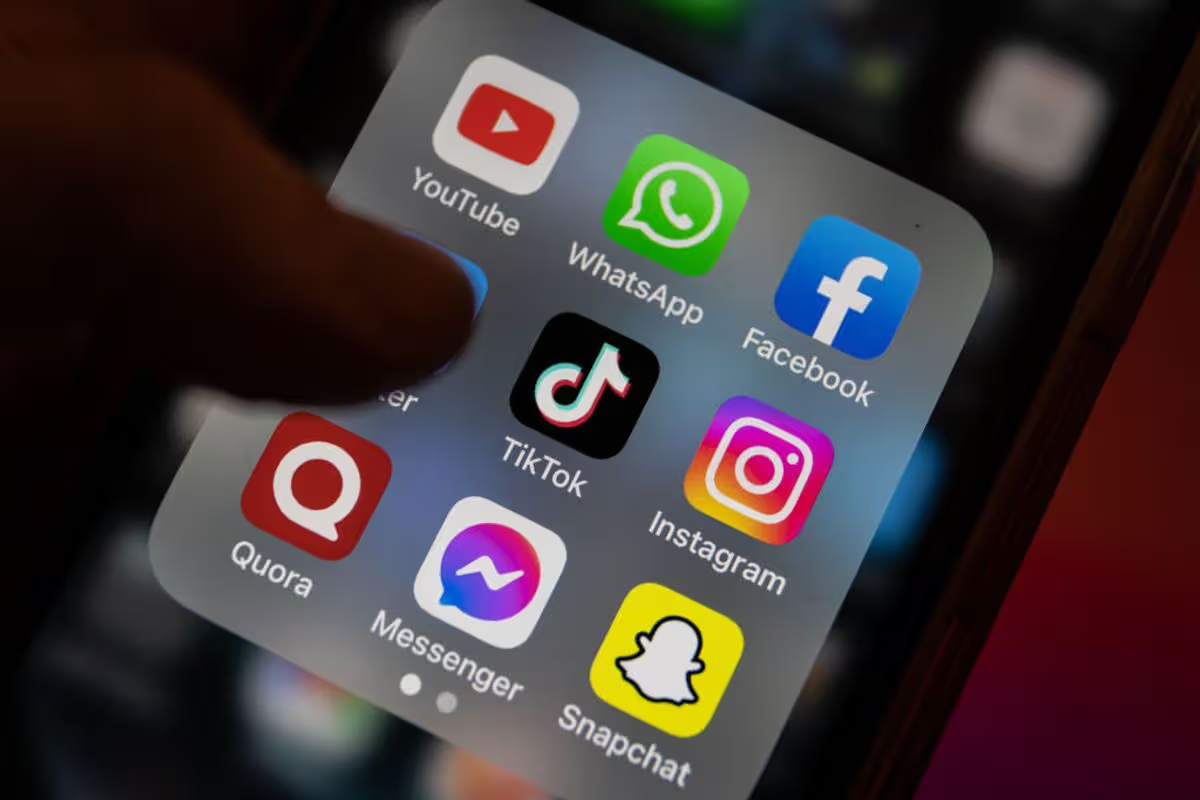
A Kentucky school district’s recent $27 million settlement with Meta, TikTok, Snap and YouTube has renewed national attention on the growing number of social media addiction lawsuits being filed across the United States.
The agreement resolved claims brought by Breathitt County School District, which alleged that social media platforms contributed to student mental health problems that schools were increasingly being forced to address through counselling, behavioural support and other interventions. None of the companies admitted wrongdoing.
For many parents, educators and school administrators, the settlement raises a practical question: can social media companies actually be sued for mental health harms allegedly linked to their platforms?
Parents and schools can bring certain social media-related claims, but success depends heavily on the evidence available and the specific circumstances involved. Thousands of lawsuits are already moving through courts across the United States. Yet the existence of a significant settlement does not guarantee success in future cases. What it does show is that courts, plaintiffs and major technology companies are now engaged in a legal battle that could shape how responsibility for social media-related harms is assigned in the years ahead.
Quick Answer: What This Means for You
The settlement does not automatically create a right to compensation for parents, students or schools. However, it demonstrates that claims involving social media addiction and youth mental health are being taken seriously enough to result in substantial settlements. Individuals and institutions considering similar claims still need evidence linking social media use to specific harms and losses.
At a Glance: Key Legal Position
- A Kentucky school district secured approximately $27 million in settlements from major social media companies.
- The companies did not admit liability or wrongdoing.
- More than 1,200 school districts have pursued similar claims.
- Thousands of additional lawsuits involving individuals, municipalities and states remain active.
- Parents and schools can bring claims, but outcomes depend on evidence and legal arguments specific to each case.
What Is the Social Media Addiction Lawsuit?
The term “social media addiction lawsuit” generally refers to claims brought against companies such as Meta, TikTok, Snap and YouTube alleging that their platforms were designed in ways that encouraged compulsive or excessive use, particularly among younger users.
Many lawsuits focus on features such as recommendation algorithms, notifications, endless scrolling feeds and other engagement tools that plaintiffs argue were designed to maximise user attention. According to the claims, those design choices contributed to mental health harms including anxiety, depression, self-harm and eating disorders.
The companies reject those allegations and maintain that they have invested heavily in safety tools, parental controls and other measures designed to protect users. They also argue that mental health outcomes are influenced by many factors and cannot be attributed solely to social media use.
Can Parents Sue Social Media Companies for Mental Health Harm?
In some circumstances, yes.
Parents across the United States have already filed lawsuits alleging that social media use contributed to serious mental health injuries suffered by their children. These claims often involve allegations that platform design encouraged excessive engagement that allegedly contributed to depression, anxiety disorders, eating disorders or self-harm.
For many families, the issue is not simply how much time a child spent online. The question is whether years of heavy social media use played a meaningful role in anxiety, depression, self-harm or other struggles that later required treatment and support.
Proving such claims is rarely straightforward. Plaintiffs typically need evidence demonstrating both substantial platform use and measurable harm. Medical records, therapy records, treatment histories and other documentation often become important parts of the legal process.
The central challenge is usually causation. Social media companies frequently argue that mental health conditions can result from a wide range of factors, including family circumstances, academic pressures, bullying, genetics and broader social influences. Courts therefore must determine whether social media use can be sufficiently connected to the alleged injuries.
Why Timing Could Matter in a Social Media Addiction Lawsuit
For families considering legal action, timing can become an important practical issue.
Many social media addiction claims rely heavily on evidence showing both extensive platform use and measurable harm. Medical records, therapy notes, treatment histories and other documentation may help establish a timeline linking social media use to mental health concerns. As time passes, records can become harder to obtain, memories can fade and proving exactly when symptoms emerged may become more difficult.
That does not mean a claim becomes impossible after a certain period. However, ongoing litigation highlights the importance of evidence. Courts are not simply being asked whether social media can be harmful. They are being asked whether a particular platform contributed to a particular injury suffered by a particular person.
For many families, that distinction may ultimately determine whether a case succeeds or fails.
Can Schools Sue Social Media Companies?
The settlement demonstrates that schools can pursue legal claims when they believe social media-related harms have imposed measurable costs on their institutions.
School districts generally take a different legal approach than individual families. Rather than focusing on injuries suffered by a specific person, they often argue that they have incurred substantial costs responding to broader student mental health challenges.
Those costs may include counselling services, behavioural intervention programs, additional staffing requirements and other student support initiatives.
Schools argue that they are spending significant amounts of money addressing problems they believe were amplified by platforms designed to keep young users engaged.
Whether courts ultimately agree remains one of the major questions still being tested through ongoing litigation.
What Could Go Wrong for Potential Claimants?
A common misunderstanding is that a large settlement means future plaintiffs face fewer hurdles.
The Breathitt County litigation settled before trial and produced no court ruling establishing liability. That means plaintiffs in future cases must still prove their claims using the evidence available in their specific circumstances.
There are also practical challenges. Mental health claims often involve complex medical evidence. Courts may hear competing expert testimony regarding whether social media use caused or worsened a condition. Cases can take years to resolve and outcomes remain uncertain.
The existence of ongoing litigation does not guarantee success for future claimants.
The Financial and Practical Consequences
The financial stakes are already substantial.
The school district originally sought more than $60 million to fund a long-term mental health program and recover costs associated with responding to social media’s alleged impact on students. Larger districts have sought significantly higher amounts. Tucson Unified School District, for example, is reportedly seeking more than $1.1 billion for similar purposes.
For social media companies, the litigation creates continuing legal expenses and uncertainty. For schools, the cases reflect concerns about funding pressures and the growing demand for student mental health services.
For families, the practical issue is often less about headlines and more about whether legal action can realistically address harms they believe occurred.
The Real Constraint Most People Miss
Courts often spend far more time examining causation than social media usage itself.
Showing that a teenager used Instagram, TikTok or Snapchat heavily may not be particularly difficult. Demonstrating that platform design directly caused a specific mental health condition can be considerably harder.
Mental health cases frequently involve multiple contributing factors. Establishing a direct connection between platform design and a particular injury remains one of the biggest challenges facing plaintiffs.
That difficulty exists whether the claimant is a parent, a school district or another institution.
Are Social Media Companies Admitting Fault?
No.
An important detail in the settlement is that none of the companies admitted wrongdoing or liability. The agreement resolved the claims without requiring Meta, TikTok, Snap or YouTube to concede that they had acted unlawfully.
That is common in large civil settlements. Companies often choose to settle litigation to avoid uncertainty, reduce legal costs and eliminate the risks associated with lengthy court proceedings.
As a result, many of the larger questions surrounding social media addiction remain unresolved.
What Happens Next?
The broader social media addiction litigation remains far from resolved.
More than 3,300 addiction-related lawsuits are pending in California state court, while another 2,400 cases involving individuals, municipalities, states and school districts are moving through federal court. More than 1,200 school districts have also pursued related claims.
The settlement may prove influential because it provides one of the clearest examples so far of how these disputes can be resolved. Yet it does not answer the larger questions surrounding platform design, corporate responsibility and youth mental health.
Those issues will continue to be tested in courtrooms across the country. As more cases advance, judges, juries and litigants will help determine whether social media addiction lawsuits become a lasting feature of the legal landscape or remain a series of highly contested individual claims.