
The UK Supreme Court has ruled that Thames Valley Police did not owe a duty of care to motorists in a fatal black ice collision case, while also recognising that emergency responders may, in principle, face negligence liability where their intervention foreseeably disrupts rescue or warning efforts already underway.
In Tindall and another v Chief Constable of Thames Valley Police, the Court unanimously dismissed an appeal brought by the widow of Malcolm Tindall, who was killed after another vehicle skidded on black ice along the A413 in Buckinghamshire in March 2014.
The Court held that police officers who attended an earlier crash on the same stretch of road, removed warning signage, and left the scene did not make the danger worse in a way that created legal liability. However, the judgment also recognises what the Court described as an “interference” principle, under which liability may arise where emergency responders foreseeably interrupt rescue or warning attempts being carried out by others.
Public authorities, emergency responders, insurers, claimant firms, and local authorities are all likely to study the ruling closely because it reinforces the courts’ restrictive approach to public authority negligence claims while acknowledging a recognised route for liability in interference-based cases.
Background and Legal Issues
The litigation arose from two road traffic collisions on the A413 in Buckinghamshire during the early hours of 4 March 2014. According to the agreed facts before the Court, Martin Kendall lost control of his vehicle on black ice at approximately 4.30am, causing the car to overturn into a ditch. Believing the road conditions posed a serious danger to approaching motorists, he remained at the scene attempting to warn passing traffic while awaiting emergency assistance.
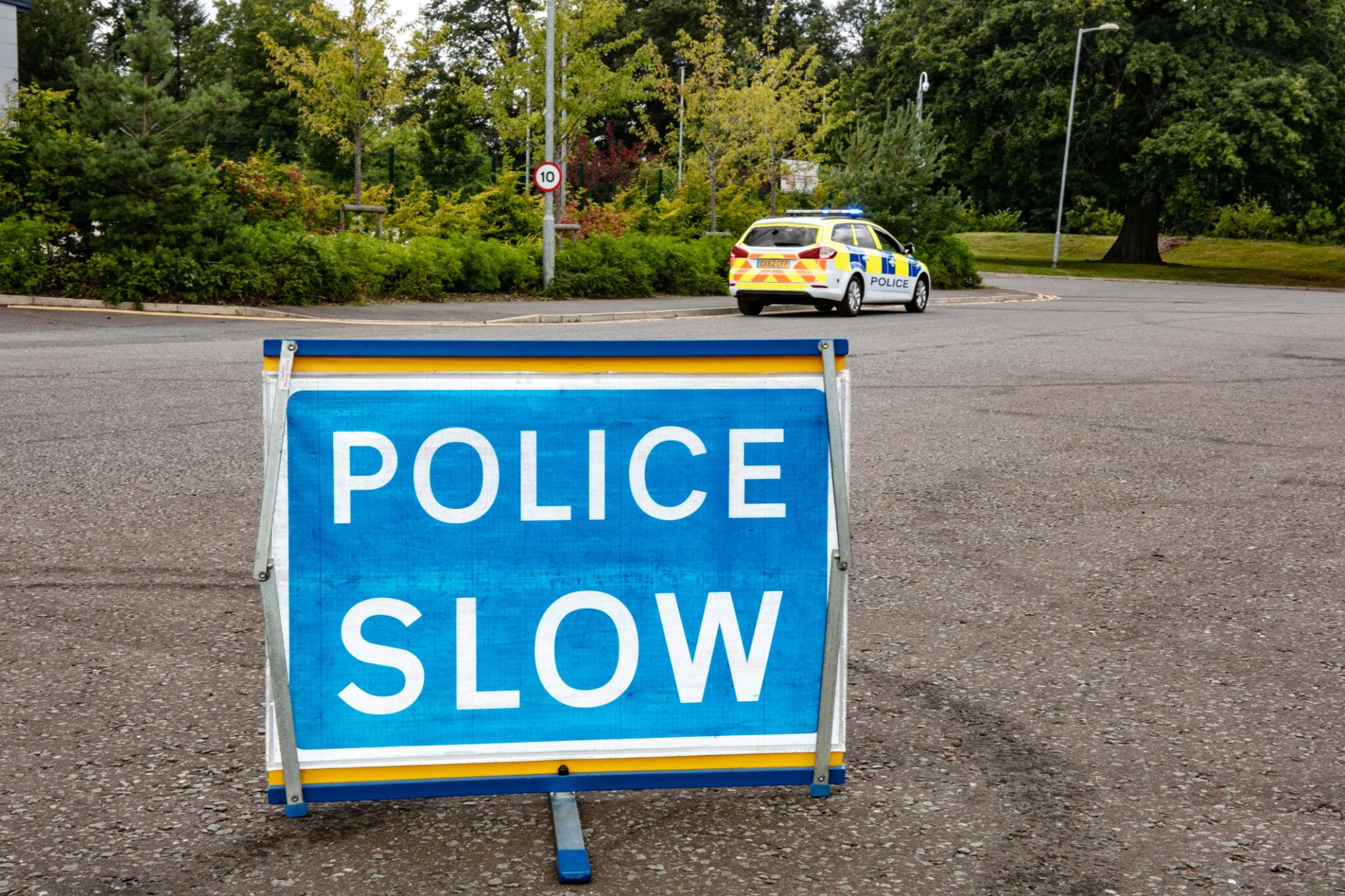
Police officers attended roughly 20 minutes later after receiving reports that ice was present on the roadway. Officers placed a “Police Slow” warning sign on the carriageway, cleared debris from the earlier collision, and requested gritting assistance. Mr Kendall was subsequently taken to hospital for treatment to non-life-threatening injuries. Before leaving the scene, officers removed the warning signage and departed.
Shortly after the officers left the scene, and about an hour after the first accident, a second vehicle lost control on the same stretch of road and collided head-on with a car driven by Malcolm Tindall. Both drivers were killed.
Mr Tindall’s widow later brought proceedings against the Chief Constable of Thames Valley Police, alleging that officers at the scene acted negligently by either making the danger worse or assuming responsibility for the safety of road users before leaving the area.
The appeal ultimately centred on a negligence principle that has become increasingly important in public authority litigation: the distinction between causing harm and failing to prevent harm.
The Supreme Court reaffirmed that, as a general rule, liability in negligence arises where a defendant makes a claimant worse off through positive conduct, rather than where a defendant merely fails to confer a benefit or prevent injury. That distinction carries particular importance for police forces and emergency responders because they frequently intervene in dangerous situations they did not create.
The Court also stressed that statutory duties or powers to protect the public do not automatically create private law liability in negligence.
Risk Emergence
The judgment reinforces that operational failures by emergency responders do not automatically create negligence liability, even where those failures appear serious or blameworthy. The legal threshold remains whether the authority actually created danger or worsened the claimant’s position. For public bodies, exposure begins not with poor performance alone, but where intervention foreseeably alters the risk environment itself.
The “Interference Principle” and Police Liability
A notable feature of the judgment is the Supreme Court’s acceptance, for the first time, of what it described as the “interference” principle. The Court accepted that liability in negligence may arise where an intervening party knows, or reasonably ought to know, that its actions could stop another person from carrying out rescue or warning efforts.
That clarification creates a recognised doctrinal route for liability where public authority intervention foreseeably interrupts protective actions already underway.
The claimant argued that police attendance caused Mr Kendall to stop warning motorists of the danger posed by the ice. Had officers not attended, he claimed he would have continued attempting to slow approaching traffic and may have persuaded others to assist him.
The Supreme Court ultimately rejected the argument on the facts because officers neither knew nor ought reasonably to have known that their attendance would cause Mr Kendall to stop warning drivers. From the officers’ perspective, he appeared to be an injured motorist rather than someone actively protecting others.
Although the disciplinary findings and inquest evidence criticised the police response, the Court drew a clear distinction between operational failings and actionable negligence. The officers’ conduct amounted to an ineffectual response rather than the creation of a new danger. The black ice already existed independently of police involvement, and the officers did not worsen the physical hazard itself.
Throughout the judgment, the Court repeatedly emphasised that failing to improve a dangerous situation is legally distinct from making the situation worse. Even so, the Court accepted that emergency responders may, in principle, incur liability where intervention foreseeably displaces existing rescue efforts.
That reasoning aligns the case with earlier authorities involving public authorities and rescue services, including decisions concerning flood defences, fire brigades, and highway hazards.
Exposure Escalation
The Supreme Court’s reasoning narrows negligence exposure arising solely from inadequate emergency response. Exposure may increase where responders actively alter existing safety measures, interfere with third-party protective conduct, or create reliance that changes public behaviour. Recognition of the “interference principle” means operational decisions may attract closer scrutiny where intervention foreseeably displaces informal rescue efforts already underway.
Limits of Public Authority Liability
The claimant also argued that police had assumed responsibility for road safety by taking control of the scene. The Supreme Court rejected that argument, holding that officers did not assume responsibility to road users merely by attending the accident scene, placing temporary signage, or carrying out traffic management measures.
Arguments based on control and status also failed. Officers did not control the black ice itself, and no duty of care arose simply because the police act as professional emergency responders.
The judgment therefore reinforces judicial reluctance to impose broad negligence duties on public authorities for operational failures in emergency settings. At the same time, the ruling provides further guidance on when public authority involvement may move beyond monitoring and become legally consequential.
The judgment suggests liability risk may increase where responders interfere with existing warning systems or rescue activity, create foreseeable reliance, physically worsen conditions, remove protections already in place, or otherwise alter a claimant’s position compared with non-intervention.
That part of the ruling is likely to attract attention in future claims involving police incident response, NHS emergency triage, local authority hazard management, flood response, and fire and rescue services. Future negligence disputes involving emergency management and public safety operations are therefore likely to focus heavily on whether intervention itself altered the claimant’s position.
Decision Trigger
The legal trigger identified by the judgment is not mere attendance at an incident scene. Liability risk emerges when intervention foreseeably changes the conduct of others already mitigating danger. For operational teams, the point of escalation occurs when responders replace, interrupt, or override existing protective measures without adequately managing the resulting risk environment.
Wider Implications for Public Authority Liability
While the Court rejected liability on the facts, the disciplinary findings and inquest conclusions remain striking. Officers were criticised for failing to conduct sufficient investigation of the road conditions, failing to maintain warnings, and leaving before gritters arrived.
The ruling therefore highlights the continuing distinction between operational criticism and private law liability. Conduct may be operationally inadequate without crossing the threshold required for negligence compensation claims.
The judgment is also likely to influence internal operational reviews across emergency services and public authorities. Many organisations are likely to place closer focus on hazard assessment procedures, escalation protocols, scene management, interaction with civilian responders, and training relating to temporary road hazards and emergency intervention.
Although the dispute arose from a fatal road collision, the reasoning reaches much further into public authority liability claims. The Supreme Court continues a wider judicial trend limiting negligence claims against public authorities where harm originates from external dangers rather than state-created risk.
At the same time, the Court’s endorsement of the “interference principle” creates a carefully defined exception capable of affecting future litigation involving emergency intervention. Future claimants are now more likely to focus on whether intervention displaced existing protective conduct rather than simply alleging a failure to act.
Broader Legal Pattern
The ruling signals continued judicial resistance to expanding omission-based liability against public authorities, particularly where emergency responders are managing risks created by external events. Yet it also demonstrates that courts remain willing to recognise liability where state intervention foreseeably disrupts existing rescue or warning efforts. Future litigation is therefore likely to focus less on failures to act and more on whether intervention altered the claimant’s position for the worse.
Long-Term Impact on Negligence Claims
The judgment is likely to be cited in future public authority negligence claims.
The Court reinforced the distinction between failing to prevent harm and actively making a situation worse, while also rejecting arguments that police automatically assume responsibility simply by attending an incident scene.
The ruling makes negligence claims based solely on operational failings harder to pursue. At the same time, the court accepted that liability may still arise where intervention foreseeably disrupts existing rescue or warning efforts.
The judgment’s discussion of interference-based liability is also likely to receive close attention in future public authority claims involving emergency intervention and public safety operations.