
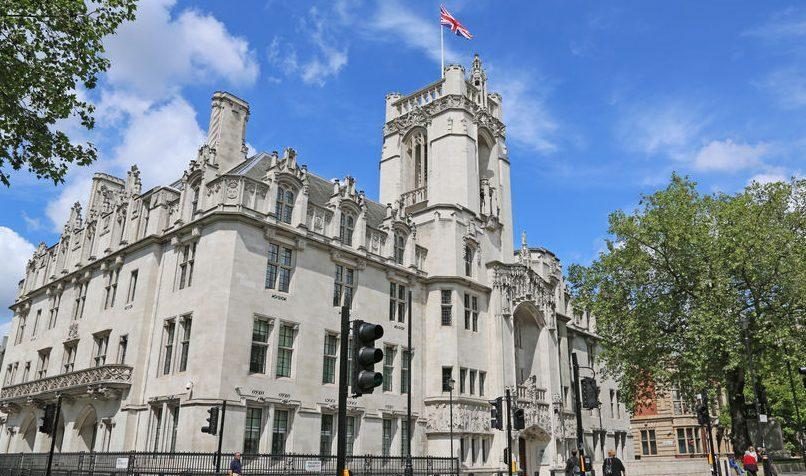
A judgment from the Supreme Court of the United Kingdom has clarified how periods of overstaying affect applications for indefinite leave to remain based on 10 years’ continuous lawful residence under paragraph 276B of the Immigration Rules, with potentially significant implications for immigration advisers, regulated firms and applicants relying on long residence settlement pathways.
In R (on the application of Iyieke) v Secretary of State for the Home Department, heard alongside R (on the application of Afzal) v Secretary of State for the Home Department, the court examined whether periods spent in the UK without valid leave could still count toward the lawful residence requirement for settlement applications.
The Supreme Court confirmed that continuous lawful residence depends on immigration status continuity rather than physical presence alone, reinforcing that periods of overstaying may interrupt the 10-year qualifying period even where leave is later granted on another basis.
The ruling carries broader compliance and operational significance because it confirms that technical procedural defects within immigration status histories may affect settlement eligibility years later.
For immigration practitioners and organisations responsible for immigration compliance, the judgment increases the importance of lawful residence auditing, historic status verification and accurate assessment of whether section 3C leave extensions or valid applications applied during disputed continuity periods.
The Legal and Practical Significance of the Ruling
The appeal concerned paragraph 276B of the Immigration Rules, which governed applications for indefinite leave to remain based on 10 years’ continuous lawful residence in the UK.
Victormills Onyekachi Iyieke, a Nigerian national, entered the UK lawfully in February 2011 with student leave. After further leave expired in August 2014, he became an overstayer before later obtaining leave to remain on human rights grounds.
In February 2021, after more than 10 years of residence in the UK, he applied for indefinite leave to remain under paragraph 276B. The Home Office refused the application on the basis that he had not established 10 years’ continuous lawful residence.
The dispute centred on whether periods of overstaying between grants of leave could count toward the lawful residence requirement or merely prevent continuity from being broken between lawful periods of residence.
The case therefore raised broader questions about how lawful residence should be calculated where applicants experienced historic gaps in immigration status, delayed applications or disputed section 3C leave extensions under the Immigration Act 1971.
The Supreme Court dismissed the appeal and upheld the interpretation adopted by the Court of Appeal. Lord Sales stated that the case required interpretation of section 3C of the Immigration Act 1971, paragraph 276B and the Home Office Long Residence Policy Guidance, reinforcing the court’s focus on procedural immigration status continuity rather than physical residence alone.
The wider significance of the ruling lies in its confirmation that technical immigration compliance failures may affect settlement eligibility years after an overstaying period first occurred.
For immigration advisers, regulated firms and organisations responsible for immigration compliance, the judgment increases the importance of historic lawful residence verification, accurate immigration timeline auditing and careful assessment of whether valid applications or statutory leave extensions existed during disputed continuity periods.
Risk Emergence
Legal exposure in long residence immigration cases frequently begins when continuity of lawful leave becomes uncertain, even where the applicant later receives further permission to remain in the UK. Once a period without lawful status exists within the proposed qualifying period, settlement eligibility may remain vulnerable to refusal years later despite continued physical residence. That risk extends beyond applicants themselves and may affect legal representatives, regulated advisers and organisations relying on accurate immigration status assessments.
Paragraph 276B required an applicant seeking indefinite leave to remain to demonstrate “at least 10 years continuous lawful residence in the United Kingdom”.
The Immigration Rules separately defined “lawful residence” as continuous residence based on existing leave to enter or remain, temporary admission or immigration bail followed by leave, or exemption from immigration control followed by leave.
A central issue was the interpretation of paragraph 276B(v), which provided that certain previous periods of overstaying “will also be disregarded” where specified conditions applied.
The court rejected the argument that disregarded overstaying periods positively counted toward the 10-year lawful residence requirement. Instead, the judgment confirmed that such periods may preserve continuity between lawful periods of leave without themselves becoming lawful residence for calculation purposes.
The decision also examined section 3C of the Immigration Act 1971, which extends leave in certain circumstances where a valid application for variation of leave is made before existing leave expires.
The court reaffirmed that section 3C operates only where a valid application exists.
Judicial Interpretation and Compliance Consequences
The Supreme Court adopted a strict interpretative approach focused on the wording and structure of the Immigration Rules rather than broader equitable considerations relating to long-term residence.
Lord Sales emphasised that invalid applications may carry decisive consequences for lawful residence continuity. The judgment reaffirmed the principle established in R (Mirza) v Secretary of State for the Home Department that section 3C of the Immigration Act 1971 applies only where a valid application has been made. The court therefore maintained a clear distinction between lawful immigration status and physical presence in the UK.
The judgment also distinguished between applications invalid from the outset, conditionally valid applications and applications later rendered invalid by operation of law. Lord Sales explained that where application fees or Immigration Health Surcharge obligations were not satisfied within the permitted period, applications could become invalid automatically rather than through discretionary refusal by the Secretary of State.
A central issue concerned the interpretation of “disregarded” periods under paragraph 276B(v). The court accepted the Secretary of State’s position that periods of overstaying capable of being disregarded do not themselves count toward the 10-year lawful residence requirement. Instead, they may preserve continuity between lawful periods of leave without converting unlawful residence into lawful residence for settlement purposes.
That distinction became central to the outcome of both appeals because it confirmed that continuity may survive certain overstaying periods while the periods themselves still fail to contribute toward the qualifying lawful residence requirement.
The Court of Appeal had earlier observed that repeated litigation surrounding paragraph 276B reflected wider drafting problems within the Immigration Rules, warning that poorly drafted provisions create avoidable litigation and procedural uncertainty.
The ruling materially increases the importance of immigration status verification procedures for firms advising on settlement eligibility. Long residence assessments now require more detailed lawful residence auditing capable of identifying extant leave periods, section 3C extensions, invalid applications, overstaying periods and documentary continuity gaps across the entire qualifying period.
Operationally, the judgment reinforces that physical residence history alone is insufficient for paragraph 276B compliance analysis. Where lawful continuity cannot be evidenced through valid leave records or recognised statutory extensions, advisers may need to reassess whether settlement pathways remain legally sustainable before applications are submitted.
The decision also increases the importance of record retention, immigration timeline reconstruction and procedural verification within regulated immigration practices. The ruling may also be relevant to employers sponsoring migrant workers where long-term immigration planning depends on accurate records of lawful status.
Exposure Escalation
Exposure escalates significantly once historic gaps in lawful leave become embedded within a proposed 10-year settlement timeline. At that point, the issue may extend beyond routine immigration administration and develop into refusal exposure, judicial review proceedings or professional negligence risk where advisers relied on incomplete lawful residence verification. The operational consequences may become particularly serious where continuity problems are identified only after settlement applications have been submitted or refused.
When Legal Risk Becomes Operational
The operational trigger point in long residence cases generally arises once advisers identify any period during which lawful residence cannot be continuously evidenced through valid leave, recognised statutory extension or another qualifying lawful status under the Immigration Rules.
At that stage, the issue may cease being a routine immigration administration matter and become a material legal and compliance risk requiring immediate reassessment of settlement eligibility and application strategy.
The Supreme Court’s reasoning confirms that later grants of leave do not necessarily cure earlier continuity defects for paragraph 276B purposes. As a result, applicants who continue residing lawfully in the UK after historic overstaying periods may still encounter settlement difficulties years later where continuity of lawful residence cannot be fully established.
That distinction carries significant operational consequences for regulated immigration practices because settlement eligibility increasingly depends on accurate reconstruction of historic immigration status timelines rather than residence duration alone.
For regulated firms and advisers, delayed identification of continuity gaps may increase exposure to failed applications, judicial review proceedings, avoidable litigation costs, client complaints and professional negligence allegations linked to inaccurate lawful residence assessments. The ruling therefore reinforces the importance of early-stage lawful residence auditing, documentary continuity verification and careful assessment of whether section 3C extensions or valid applications applied during disputed periods of residence.
Decision Threshold
The point requiring operational action is usually reached once lawful residence continuity can no longer be fully evidenced through immigration records, statutory leave extensions or valid applications recognised under immigration law. At that stage, advisers may need to reassess settlement eligibility immediately rather than relying on assumptions that later grants of leave will restore continuity. Failure to intervene early may materially increase refusal risk and associated professional exposure.
The ruling is likely to alter how immigration practitioners assess indefinite leave to remain applications involving historic overstaying periods or disputed lawful status continuity.
In practice, firms may now place greater emphasis on immigration timeline reconstruction, historic leave verification, application validity analysis, section 3C assessment and continuity evidence review.
The judgment may also affect how advisers communicate settlement risk to clients where historic overstaying periods exist.
Operationally, the case confirms that long residence eligibility increasingly depends on technical immigration status analysis rather than broad residence duration alone.
What the Judgment Means Going Forward
The decision reflects broader judicial emphasis on procedural compliance within the UK immigration system, particularly where settlement eligibility depends on continuity of lawful status rather than physical residence alone.
For regulated immigration advisers, maintaining accurate immigration records and ensuring lawful residence continuity can be evidenced clearly may now carry increased operational importance from both compliance and professional liability perspectives. Historic immigration timeline verification, section 3C assessment and identification of invalid applications are likely to become increasingly significant within long residence case preparation.
The judgment also demonstrates how technical procedural defects may create legal consequences years after an overstaying period first occurred. In practice, relatively short gaps in lawful status may continue affecting settlement eligibility long after further leave has been granted, particularly where continuity cannot be fully evidenced through valid applications or recognised statutory extensions.
The broader legal pattern emerging from the ruling is that UK courts continue applying strict interpretations to lawful residence requirements where immigration outcomes depend on procedural continuity.
That approach is likely to influence future disputes involving overstaying, invalid applications and long residence settlement claims, while increasing the importance of procedural accuracy within immigration compliance and advisory work.
Precedent Signal
The broader legal signal from the judgment is that UK courts remain willing to apply strict procedural interpretations to lawful residence requirements even where applicants have spent substantial periods physically present in the country. That approach may influence future disputes involving overstaying, invalid applications and section 3C leave extensions, particularly where applicants seek to rely on later grants of leave to preserve long residence continuity.
The Supreme Court confirmed that lawful residence under paragraph 276B depends on immigration status continuity rather than physical presence alone. The judgment also clarified that periods of overstaying may be disregarded without positively counting toward the 10-year requirement, while section 3C extensions apply only where valid applications exist.
The ruling increases the importance of detailed immigration timeline analysis, lawful residence verification, documentary continuity evidence and early identification of historic status gaps.
For immigration practitioners and regulated firms, the operational and professional consequences of inaccurate lawful residence assessments may now carry greater significance.
The decision now stands as Supreme Court authority on how overstaying periods, section 3C extensions and lawful residence continuity interact under paragraph 276B.
Immigration practitioners are likely to review the judgment alongside the linked Afzal appeal when assessing long residence applications involving invalid applications, overstaying periods, disputed lawful continuity or section 3C issues.
The practical effect may be more cautious settlement assessments, stronger lawful residence auditing procedures and increased scrutiny of historic immigration records before indefinite leave to remain applications are submitted.