
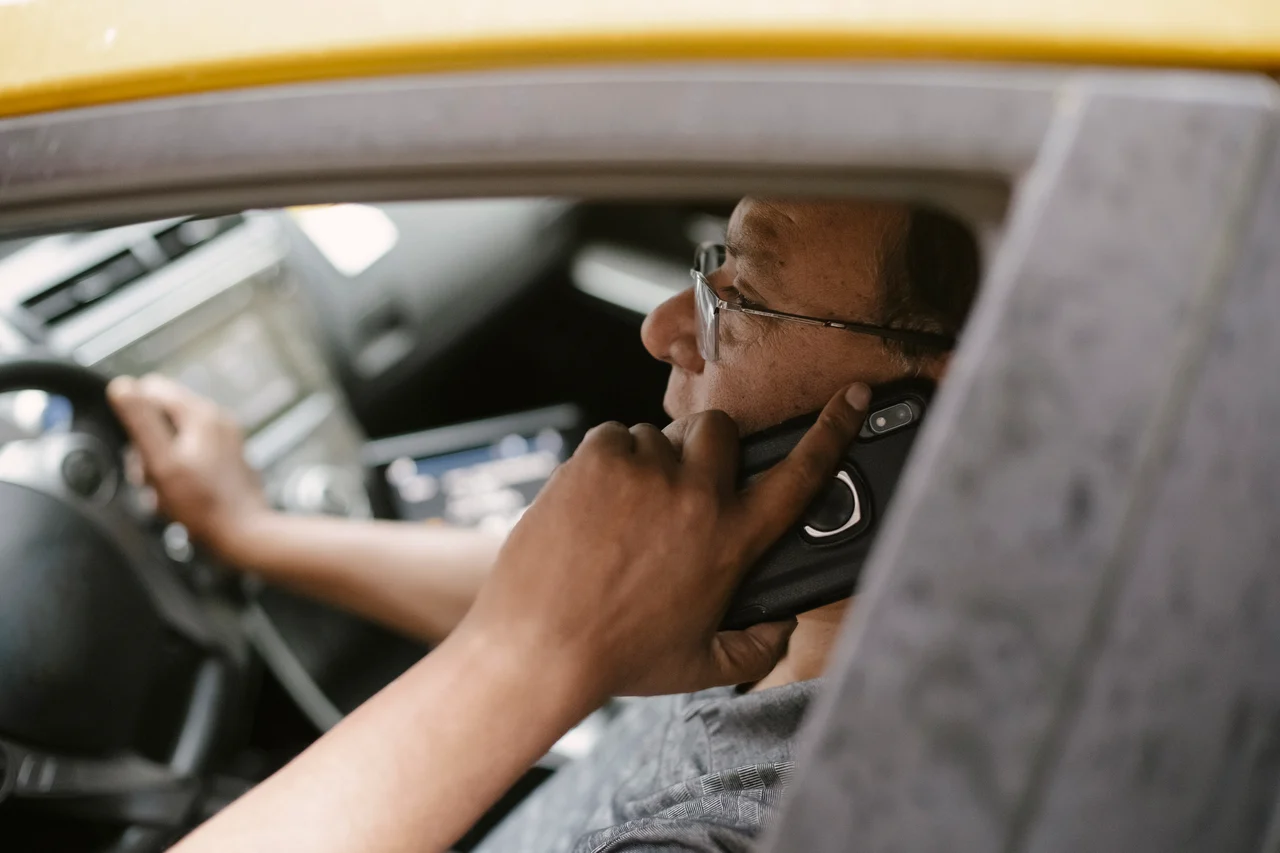
It is a widespread misconception that as long as your hands are not physically holding a mobile device, you are driving safely. Car and tech companies heavily market voice controls as the cure for distracted driving, but hands-free doesn’t mean risk-free. Even if your hands are on the wheel and your eyes are on the road, a phone call pulls your focus away from driving and puts everyone in danger. When a devastating collision occurs because a motorist was paying attention to a phone call instead of the highway, securing skilled legal counsel for injured drivers is absolutely essential to hold the responsible party accountable. Proving that someone was mentally distracted requires deep investigation, but recognizing the actual dangers of hands-free technology is the first step toward true road safety.
The Reality Of Cognitive Distraction And Inattention Blindness
At the heart of this issue is a psychological phenomenon known as cognitive distraction, which essentially leads to inattention blindness. When you are deeply involved in a phone call, your brain is forced to split its processing power between navigating the heavy, fast-moving vehicle and visualizing the conversation. You can stare straight at a stop sign or a braking car, but if your mind is elsewhere, you won’t actually process it.
This makes your reaction time dangerously slow. In fact, federal transportation safety data highlights that even if their devices are safely tethered to the dashboard, their drivers are mentally checked out, and that’s why thousands of traffic deaths happen every year. The human brain simply cannot multitask effectively; it switches rapidly back and forth between tasks. During those vital fractions of a second where your mind is focused on the disembodied voice coming through the car speakers, your vehicle can run the length of a football field entirely unmonitored.
The Lingering Effects Of Voice Commands
Another deeply concerning aspect of this modern technology is that the danger does not magically disappear the exact moment a driver hangs up the phone or finishes giving a voice command. The mental workload required to dictate a text message, change a music playlist, or argue with a coworker leaves a residual impairment that lasts long after the specific action is complete.
It takes the brain an extended period to fully re-engage with the primary, physical task of driving. Even after you hang up, your brain takes time to refocus on driving. This mental lag is why checking your phone at a red light is so dangerous—by the time the light turns green, and you hit the gas, your mind is still somewhere else.
Proving Negligence In Hands-Free Accidents
When a driver utilizing hands-free technology causes a crash, the aftermath is uniquely frustrating and complex for the victims. Unlike texting, a distracted mind leaves no physical evidence at a crash scene. The driver might confidently deny fault, genuinely believing they were safe just because their hands were on the wheel. However, extensive evaluations of mental workload and driving performance consistently demonstrate that this invisible distraction is just as disastrous to public safety as driving under the influence. Proving that someone was mentally distracted requires hard evidence—such as phone logs, vehicle data, and witness accounts. You have to clearly connect the dots between a distracted mind, a delayed reaction, and a life-changing crash.
Protecting Yourself After A Distracted Driving Crash
The broad societal acceptance of voice-activated dashboard technology has normalized a highly dangerous behavior, but sheer convenience should never come at the expense of human life. Hands-free phones kill your awareness and cause fatal crashes daily. We need to stop buying into the myth that hands-free means safe and recognize the real danger of a distracted mind. If you or a loved one ever suffers the terrifying consequences of someone else’s inability to focus purely on the road, taking swift, decisive action is paramount for your physical and financial recovery. Consulting with dedicated legal counsel for injured drivers can handle the insurance headaches, track down proof the driver was distracted, and get you the money you need to recover.