
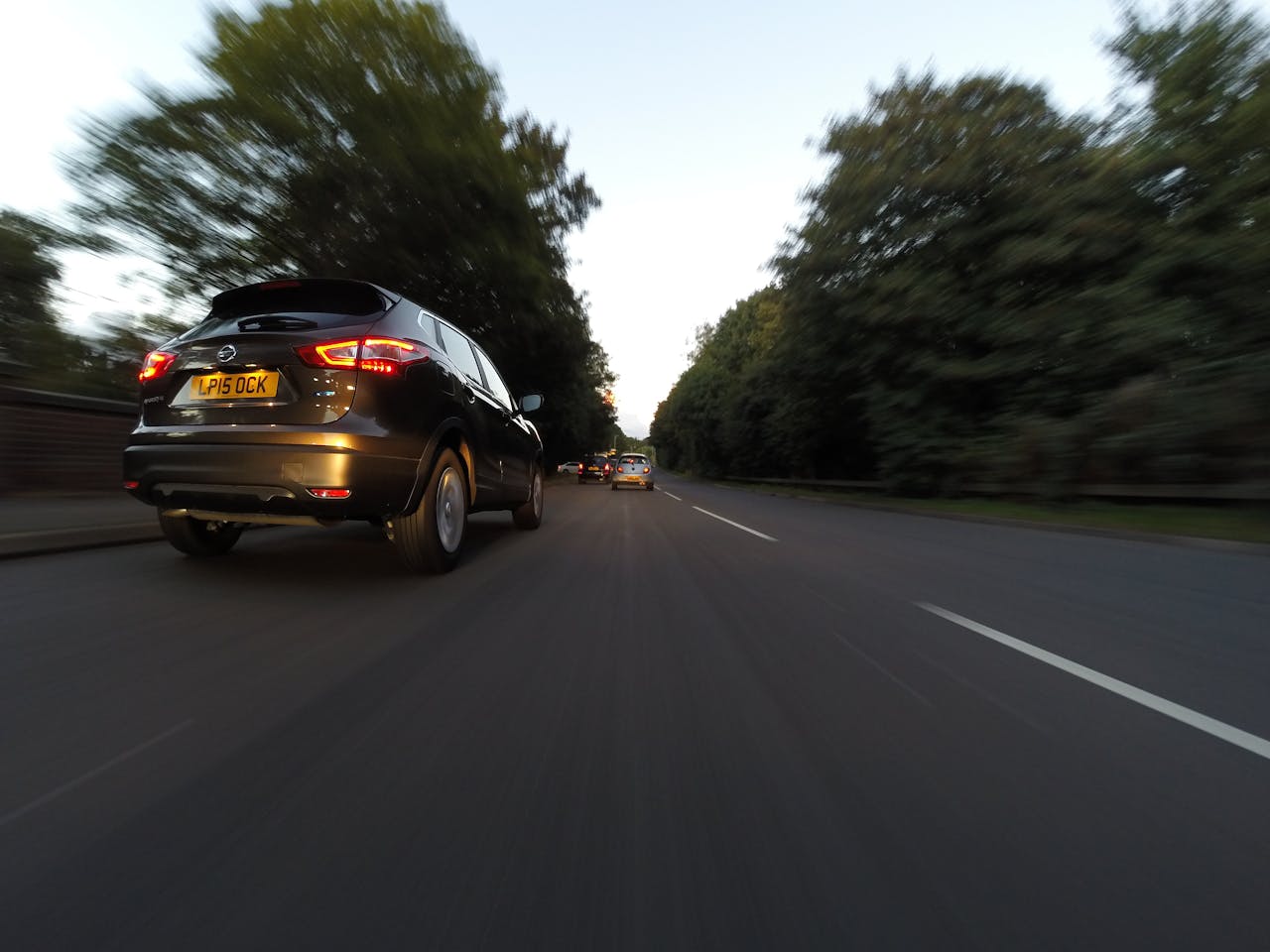
Rural roads have this kind of deceptive beauty to them. To many drivers, the open stretch of a country highway feels like freedom, like you can finally make up for lost time. But those winding paths and sharp curves are among the most dangerous for any motorist. Once speed is thrown into the mix with these complex shapes, the margin for error almost disappears, like right on the spot. If you or someone you care about has been hit by one of these crashes, talking with a vehicle accident law firm can give you the direction you need, for real, to handle the legal complexities that follow these life-altering events. Getting a handle on the physics and the surrounding environmental factors that matter is usually the first step toward preventing these tragedies from happening again.
The Physics of the Curve
The main reason speeding on curvy roads is so lethal boils down to plain Newtonian physics. When a vehicle enters a bend, a centripetal force is needed to keep it on the intended line. That force is produced by the friction between the tires and the road surface, mostly.
As speed climbs, the force needed to hold the curve increases in a way that feels exponential, not a simple straight-line thing. So if a driver doubles their speed, they effectively need about four times as much friction to stay on the pavement. Once the speed exceeds what the tires can tolerate, the vehicle gives in to inertia and keeps going in a straight line, even while the steering wheel is turned. This usually ends in a run-off-road crash, where the car hits a stationary object, such as a tree, or slides down an embankment.
Reduced Sight Lines and “The Ghost Curve”
Out in the countryside, roads are not built with the same strict visibility standards as major interstates. Natural obstacles, such as thick timber, rock ledges, or rolling terrain, often make certain bends feel blind.
When a driver speeds through these areas, they really reduce their “stopping sight distance” a lot. It’s the distance a driver must be able to see an object, process it, react, and bring the vehicle to a complete stop. At higher speeds, a driver might round a bend, then suddenly realize there’s a stalled tractor, a fallen branch, or maybe even a crossing deer in the way. By the time the danger is visible, the car has already gone too far, so avoiding a collision is effectively impossible. In rural settings, where emergency response times are naturally longer due to distance, these high-speed impacts are often fatal or at least extremely serious.
The Margin for Error
On a multi-lane highway, a brief lapse in focus may just turn into a lane departure that can be corrected. But on a winding rural road, lanes are usually narrow, and there’s often no paved shoulder to catch you. Speeding basically amplifies every steering decision, even the minor ones. A slight overcorrection at 65 mph in a sharp curve can suddenly shift the vehicle’s weight, triggering a rollover. Also, rural roads can have “edge drop-offs,” where the pavement ends, and a soft dirt shoulder starts at a steep angle. If a speeding driver lets the tires slide off that edge, they may panic and jerk the wheel back, causing the vehicle to shoot across the center line toward oncoming traffic.
Environmental Hazards
Unlike the fairly steady asphalt of a city street, rural roads deal with changing conditions that speeders often ignore:
- Gravel and Debris: Loose stones on a curve act like ball bearings under tires, instantly neutralizing traction.
- Washboarding: Repeated use by heavy farm equipment can create ripples in the road that cause a speeding car’s suspension to “chatter,” losing contact with the ground.
- Agricultural Runoff: Mud or water from nearby fields can make a specific bend slicker than the rest of the road.
Conclusion
Dealing with the aftermath goes beyond physical recovery; it means knowing your rights. By hiring a dedicated vehicle accident law firm, you can rest assured that the technical and human factors of the crash are thoroughly investigated, and that you are holding negligent parties accountable while you focus on healing. Be safe, take it easy, and respect the curve.