
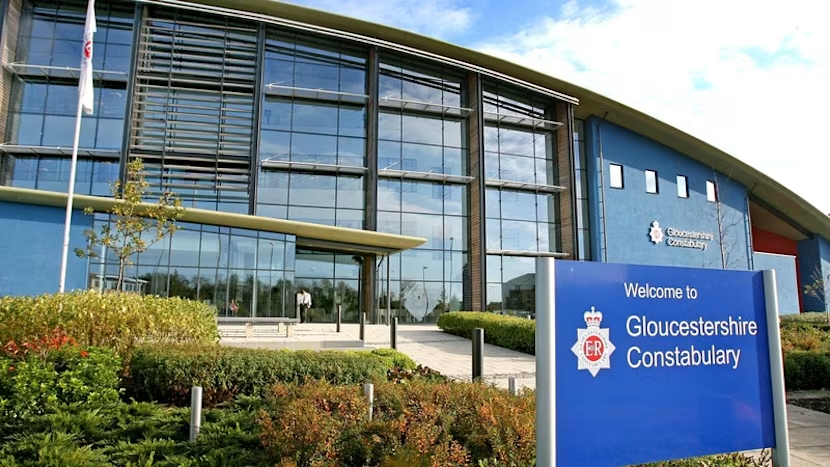
The Bar Standards Board has placed conduct at the employed Bar under renewed attention after barrister Michael Griffiths, former head of the Legal Services Department at Gloucestershire Police, was ordered to be disbarred following findings of professional misconduct.
The regulator said an independent disciplinary tribunal concluded on 15 June 2026 after four charges were brought against Griffiths. The tribunal found that his conduct was likely to diminish public trust and confidence in him or the profession, or could reasonably be seen as undermining his integrity.
The decision remains open to appeal, a point that matters for practitioners because the sanction process is not always complete at the moment a finding is announced.
Griffiths was called to the Bar of England and Wales by Middle Temple in May 1993, giving the case added significance because it concerns a senior barrister in a public-sector legal leadership role rather than a junior practitioner at the start of practice.
The Bar Tribunals & Adjudication Service lists the hearing as a five-person disciplinary tribunal chaired by His Honour Richard Clews, with Rhona Stevens, Ella Schulster, Mike Kelly and Paul McGrath sitting on the panel.
The findings arose from conduct during a work-related conference and subsequent communications. The Bar Standards Board said Griffiths made inappropriate comments of a sexual nature in the presence of junior female colleagues and exchanged an excessive volume of WhatsApp messages, some inappropriate, with a junior female colleague. The regulator said the conduct was incompatible with membership of the Bar.
The case carries a wider message for chambers, solicitors’ firms and in-house legal departments because the professional conduct issue did not arise in court or in written advice to a client.
It arose around workplace travel, senior-junior dynamics and private messaging, areas that can be wrongly treated as HR problems separate from professional regulation. For barristers, the decision reinforces that the BSB Handbook can reach conduct that affects public confidence even when it occurs outside formal advocacy or casework.
Solicitors and law firm management should read the ruling as part of the broader legal-sector focus on workplace culture, harassment reporting and the use of informal messaging channels. In-house counsel, especially those leading legal teams inside public bodies, may face particular pressure to demonstrate that senior lawyers are held to the same behavioural standards they would expect from external advisers.
The practical implication is that firms, chambers and public-sector legal teams need clear controls around conferences, work travel, messaging and reporting lines before misconduct concerns reach a regulator. Senior legal professionals can no longer assume that status, length of call or an internal employment context will keep workplace behaviour outside disciplinary reach.