
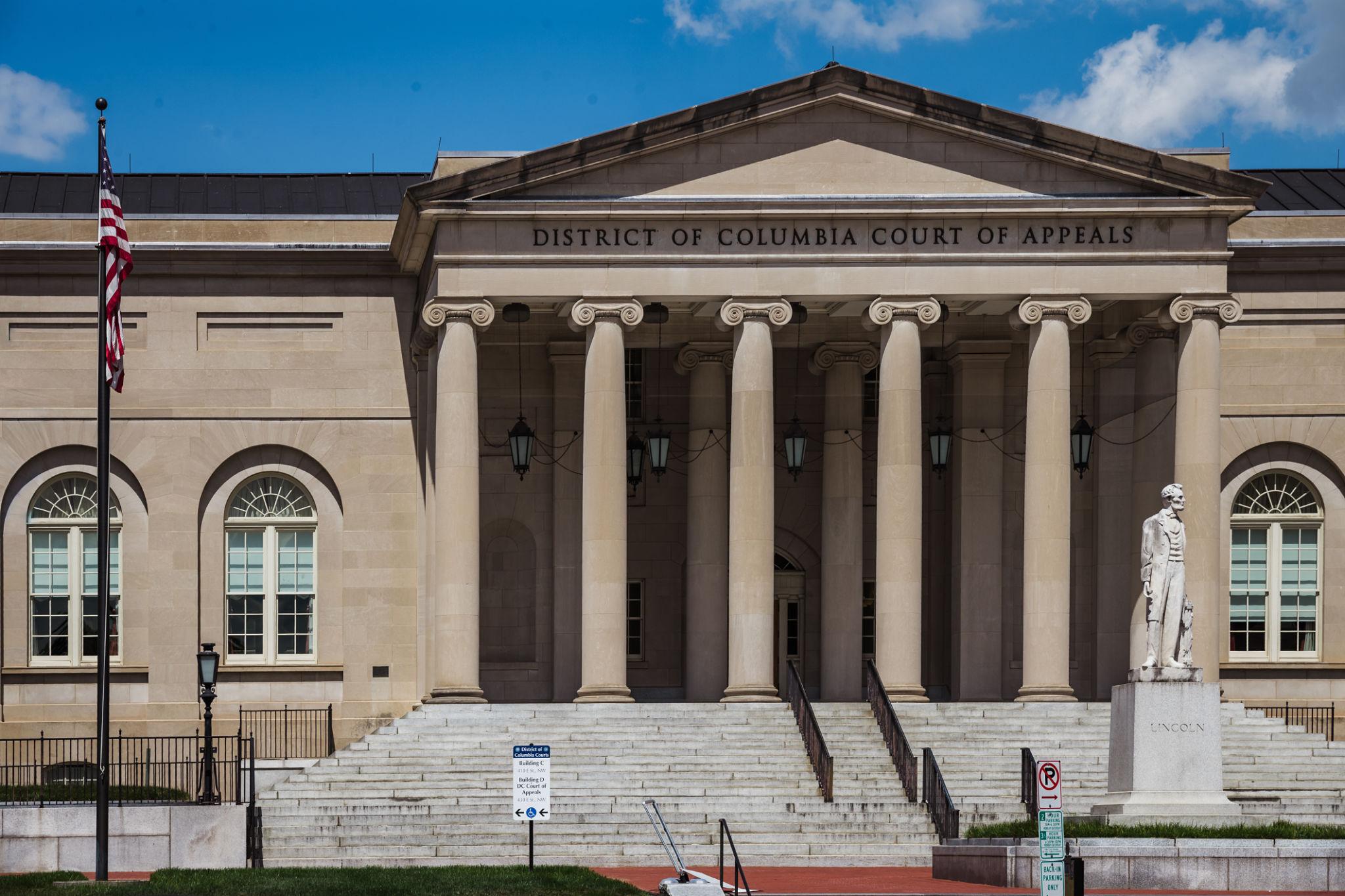
A federal court has signalled limits on USCIS’s ability to freeze immigration applications, ruling that the agency is likely unable to justify an indefinite adjudication hold affecting nationals from 39 countries and ordering officials to process an Iranian physician’s employment authorisation application within seven days.
The decision from the U.S. District Court for the District of Columbia found that USCIS’s policy was likely arbitrary and capricious and that the delay affecting the plaintiff was likely unreasonable. Judge Tanya Chutkan concluded that the agency had failed to adequately explain how the policy advanced national security objectives or address the consequences for affected applicants.
Judge Chutkan drew a distinction between an agency exercising discretion and an agency effectively refusing to make decisions. While federal law gives USCIS broad authority over immigration benefits, the opinion suggests that authority may not extend to indefinitely freezing entire categories of applications through nationwide policy directives.
Background and Legal Challenge
Nazanin Yazdan Pouri, an Iranian physician living in Virginia, secured a position in a family medicine residency programme at Eastern Virginia Medical School. She applied for adjustment of status and employment authorisation in November 2025.
Her application became subject to a USCIS policy suspending adjudication of immigration benefit requests filed by nationals from 39 countries, including Iran. Without employment authorisation, she could not begin her residency programme.
The plaintiff moved for a preliminary injunction requiring USCIS to adjudicate the application before the start of the residency programme. The government responded with motions to dismiss the case or transfer it to the District of Maryland.
Judge Tanya Chutkan rejected both arguments. The court concluded that the case was not a challenge to an individual immigration decision but to a generally applicable policy that allegedly prevented decisions from being made.
Federal immigration law limits judicial review of certain discretionary immigration determinations. The court held that those limits do not necessarily prevent review of broad agency policies governing how immigration decisions are made.
The court ultimately granted a preliminary injunction requiring USCIS to adjudicate the physician’s employment authorisation application within seven days.
The Missing Link in USCIS’s National Security Argument
USCIS relied on presidential proclamations restricting entry into the United States from certain countries and argued that the adjudication hold was necessary while additional vetting procedures were reviewed.
Judge Chutkan focused on a different issue. The policy did not concern people seeking entry into the United States. It concerned individuals who had already been lawfully admitted and were living in the country.
The opinion repeatedly notes that USCIS failed to explain why those individuals should be prevented from obtaining employment authorisation while their applications remained pending. Nor did the agency explain how withholding work permits from existing residents advanced the same national security objectives that supported restrictions on future entry.
Without a clearer explanation, USCIS faced difficulty showing a rational link between the stated national security objective and the action being challenged.
Why the Court Found the Policy Likely Unlawful
Judge Chutkan concluded that the plaintiff was likely to succeed on claims that the policy was arbitrary and capricious under the Administrative Procedure Act and that USCIS had unreasonably delayed action on her application.
A recurring problem for USCIS was the lack of explanation behind the adjudication hold. The opinion points to the agency’s failure to explain the policy in detail, address reliance interests created by its previous practices or consider less restrictive alternatives.
Those reliance interests featured prominently in the court’s analysis. Applicants had arranged careers, finances and long-term plans around established immigration procedures. The plaintiff had secured a medical residency position only to find herself unable to obtain a decision because of a policy introduced after her application was filed.
The delay claim was treated differently from a typical immigration backlog case. Rather than focusing on processing times alone, the opinion examined whether the delay stemmed from a policy that had effectively stopped adjudications for a defined group of applicants.
Beyond Immigration Applications
USCIS was criticised for failing to adequately explain the freeze, address reliance interests or consider alternative approaches.
The government defended the measure on national security grounds. The difficulty was explaining why individuals already lawfully present in the United States should be prevented from obtaining work authorisation while their cases remained pending.
Twenty-four medical organisations, including the American College of Physicians and the Association of American Medical Colleges, submitted evidence arguing that the freeze was preventing qualified physicians from entering residency programmes and worsening healthcare workforce shortages.
Judge Chutkan cited those concerns when assessing the public interest implications of the case and ordered USCIS to decide the plaintiff’s work-authorisation request within seven days.