
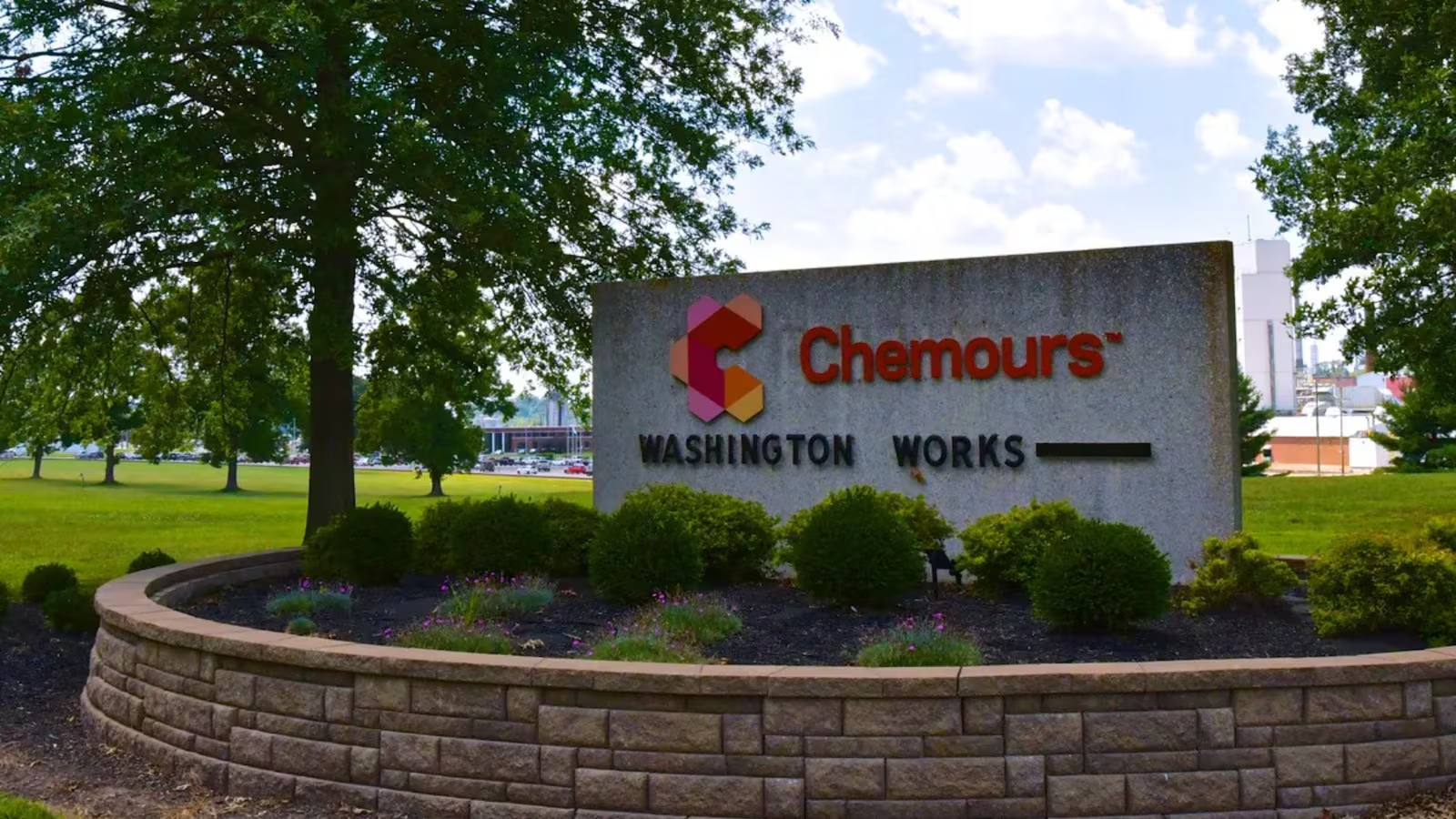
The Chemours Company has agreed to a federal and state settlement worth more than $450 million over alleged PFAS releases from facilities in West Virginia, North Carolina and New Jersey, placing one of the most closely watched corporate pollution issues into a consent decree before the U.S. District Court for the Southern District of West Virginia.
The agreement, announced by the Justice Department, the Environmental Protection Agency and the West Virginia Department of Environmental Protection, is being presented as the first comprehensive federal enforcement settlement aimed at resolving pollution claims against a manufacturer of so-called forever chemicals.
The scale of the settlement matters beyond the headline figure. Chemours will pay a $22.5 million civil penalty, fund a multi-year $90 million programme to control PFAS discharges and remove PFAS from drinking water, and install pollution controls at its West Virginia facility at an estimated cost of $60 million.
The company will also provide clean drinking water to communities near its West Virginia and New Jersey facilities for more than a decade, a programme valued at around $280 million, while assessing further controls at its North Carolina operation. The consent decree allows Chemours to continue producing PFAS for certain commercial and military applications, but only under a much tighter compliance and remediation framework.
The regulatory context is unusually broad, because the complaint draws together the Clean Water Act, the Resource Conservation and Recovery Act, the Toxic Substances Control Act and the West Virginia Water Pollution Control Act. That combination gives in-house counsel a clearer view of how federal and state agencies may now build PFAS enforcement cases: not as single-permit disputes, but as overlapping water, waste, chemicals and hazardous-storage matters.
The Justice Department’s Environment and Natural Resources Division, led in this announcement by Principal Deputy Assistant Attorney General Adam Gustafson, has framed the settlement as a model for permitting continued manufacturing while forcing long-term controls at source.
The practical lesson for legal departments in chemical, manufacturing, defence-supply and infrastructure businesses is that historic ownership will not necessarily close the liability question. The facilities were previously owned for decades by DuPont, and the DOJ release states that this settlement does not resolve DuPont’s liability for forever chemicals.
That point is likely to be closely watched in transactions, indemnity negotiations, environmental due diligence and legacy-risk audits where PFAS exposure sits across former and current operators.
The settlement also shows how remedial obligations can become operational obligations. Chemours must carry out 14 specified projects at the West Virginia plant, use treatment systems including granulated activated carbon, test and provide drinking water near affected facilities, control GenX releases at each facility with at least 99% efficiency, and maintain enhanced leak detection and repair programmes.
Because the consent decree is subject to public comment, Chemours, DuPont and companies facing PFAS scrutiny should expect environmental compliance advice to move from risk disclosure into board-level implementation planning.