
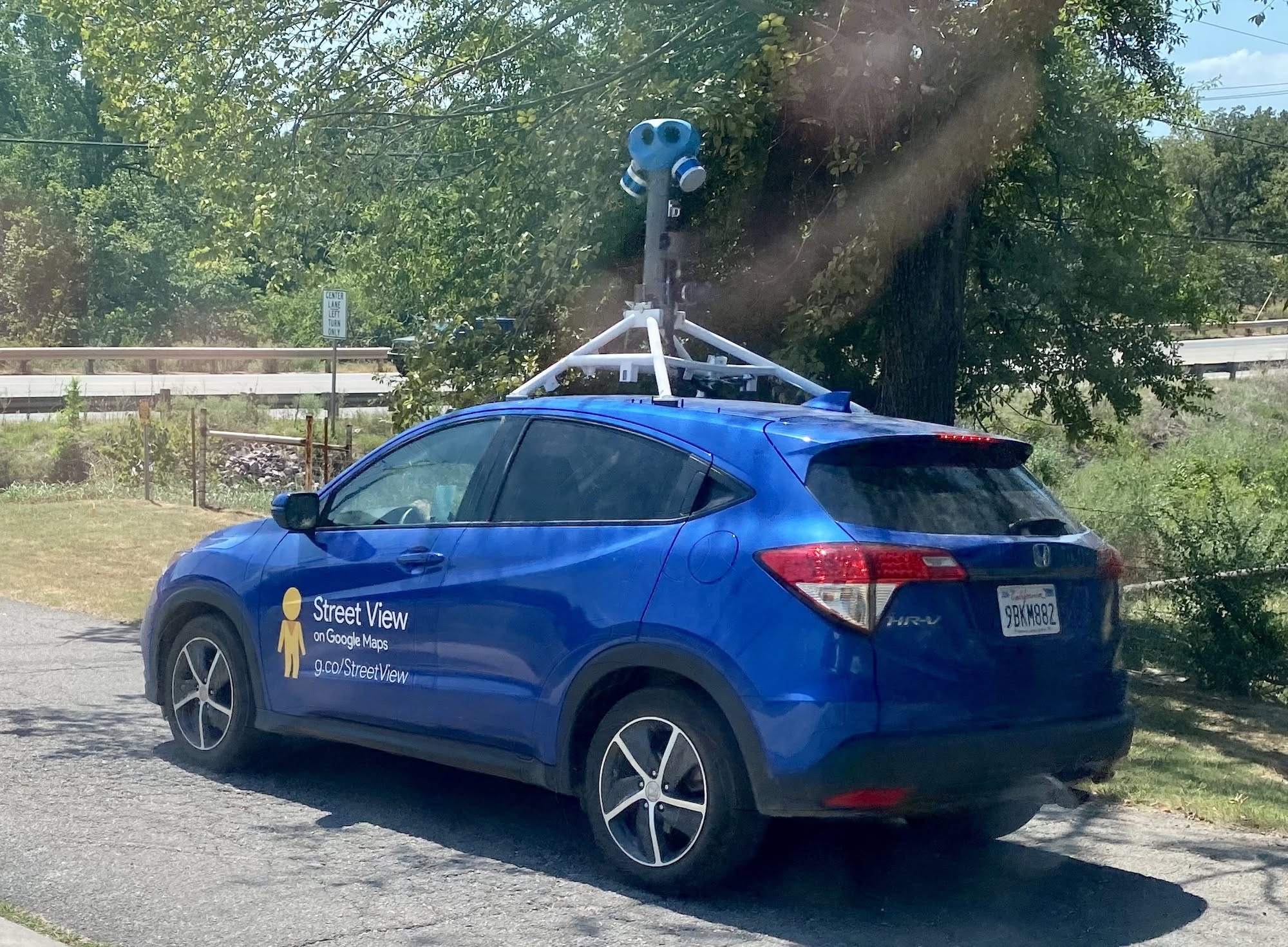
Cognizant Technology Solutions is facing a wage and hour case filed in New Jersey federal court by Javaris Thomas, a driver who alleges workers connected to Google Maps data verification were wrongly treated as independent contractors.
The claim, filed on 12 June 2026 in the U.S. District Court for the District of New Jersey, names Aceolution Inc. and Cognizant Technology Solutions as defendants. The docket identifies the case as THOMAS v. ACEOLUTION INC. et al, case number 3:2026cv07009, with the nature of suit listed as Labor: Fair Standards and the cause of action recorded as denial of overtime compensation under 29 U.S.C. § 201.
Google is not a defendant, but the commercial link to Google Maps gives the dispute wider significance for technology businesses, outsourcing providers and in-house legal teams using multi-layer staffing models.
The case places the Fair Labor Standards Act, worker classification and contractor documentation at the centre of a recurring problem for employers. Under the FLSA, the question is not simply what label appears in a contract.
The Department of Labor’s guidance points to the economic realities of the working relationship, including whether the worker is economically dependent on the business or is operating independently. That makes control, supervision, pay arrangements, record keeping and the practical integration of the work central issues in any misclassification dispute.
For Cognizant and Aceolution Inc., the litigation is likely to focus on how the drivers’ work was organised, who gave operational instructions, how payment was calculated, and whether the contractor model reflected the practical relationship. The Google Maps setting also shows why these disputes are no longer limited to transport operators or gig platforms.
Data collection, field verification, AI training, content moderation and audit work can create similar exposure when companies rely on contractors or staffing suppliers to deliver essential digital services.
The professional implication for solicitors, barristers, US employment counsel and in-house legal departments is that contingent labour compliance cannot be left to procurement teams alone. Employment lawyers need access to staffing contracts, statements of work, indemnities, time records, onboarding documents and operational instructions before the model is challenged in court.
Law firms advising technology companies, outsourcing providers and staffing agencies should treat the Cognizant and Aceolution Inc. case as a reminder that contractor structures require live legal review. Future wage and hour disputes are likely to turn less on what workers are called and more on how digital service businesses direct, monitor and pay the people performing the work.