
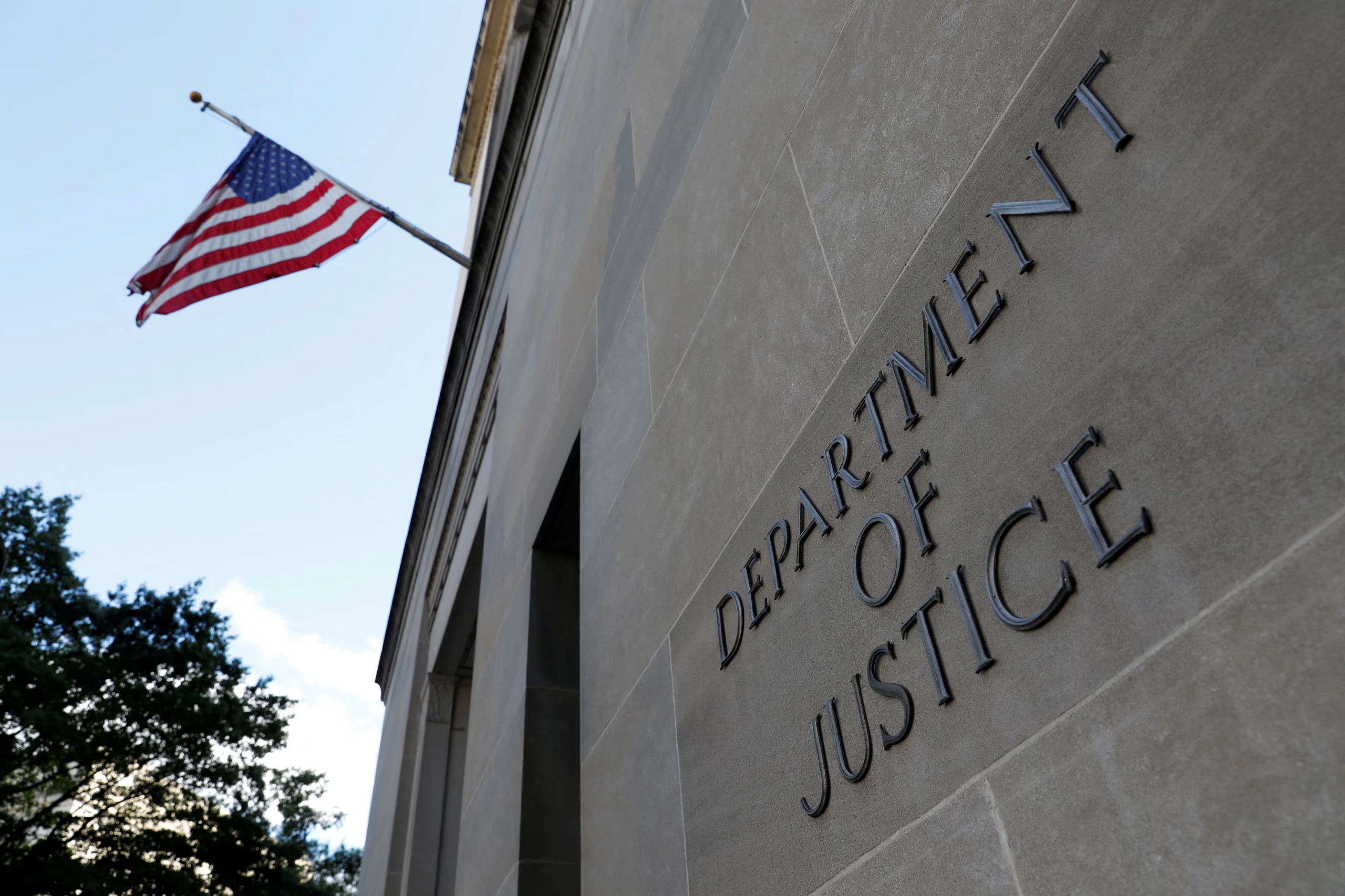
Department of Justice has issued a constitutional opinion that will sharpen legal scrutiny of federal benefit programmes using race- or sex-based eligibility criteria, after the Office of Legal Counsel concluded that certain U.S. Department of Agriculture preferences for “socially disadvantaged” farmers violated equal-protection principles.
The June 22 opinion, issued by the Office of Legal Counsel for USDA General Counsel Tyler Clarkson, found that a fee-waiver provision in 16 U.S.C. § 590c could not constitutionally give preferential treatment to farmers defined by race- and sex-based criteria.
The DOJ said conservation-planning programmes that allowed USDA to waive user fees for “socially disadvantaged” farmers failed to satisfy the Constitution’s equal-protection guarantee. Acting Attorney General Todd Blanche framed the decision as part of a wider federal move against unlawful DEI initiatives, while USDA Secretary Brooke Rollins said the department would treat all persons served by USDA equally.
Regulatory context now matters because the opinion does not simply address one agricultural waiver. The Office of Legal Counsel analysed USDA programmes against Supreme Court equal-protection authorities including Students for Fair Admissions v President and Fellows of Harvard College, Adarand Constructors Inc v Pena, Allen v Milligan and United States v Virginia.
It concluded that race-based classifications require strict scrutiny, while sex-based classifications require heightened scrutiny. That distinction will be familiar to constitutional litigators, but the practical point for government lawyers and regulated businesses is more immediate: policies framed as remedial or socially targeted may still fail if eligibility turns on group identity rather than individual need or neutral criteria.
The opinion also draws an important line between unconstitutional preference and permissible administration. OLC said five other USDA programmes could be administered constitutionally because they either did not confer preferential treatment or were capable of race- and sex-neutral implementation.
Those included aspects of the Federal Crop Insurance Program, land access reporting requirements, the Agriculture and Food Research Initiative, and the Farmers’ Market Nutrition Program. For counsel advising grant-making bodies, public agencies or recipients of federal funding, that distinction will be central to future compliance work.
The financial scale increases the legal significance. OLC noted that USDA awarded more than $24 billion in aid to farmers during fiscal year 2025, including $14 billion in direct payments and indemnities and $10 billion in loans.
It also recorded that USDA and DOJ had already addressed many race- and sex-based preferences across titles 7 and 16 of the U.S. Code, leaving only six of 36 identified programmes not previously subjected to the same constitutional review by the Executive Branch.
The decision is likely to influence litigation strategy, federal programme design and internal reviews of public-sector equality initiatives well beyond agriculture. In-house counsel and external advisers working with USDA, DOJ or federal funding recipients should now reassess whether benefit criteria can be justified under strict or heightened scrutiny before the next challenge reaches court.