
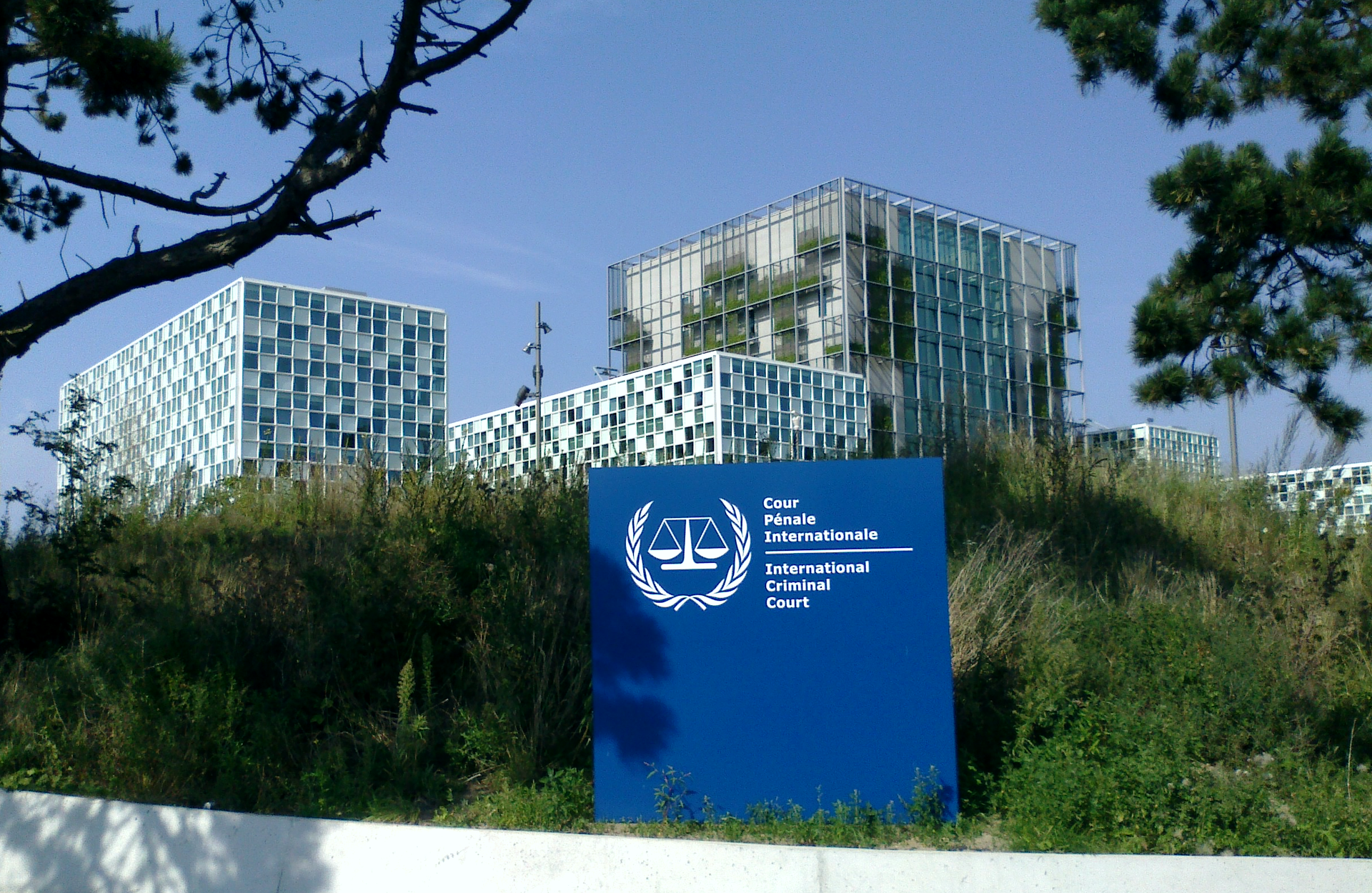
The International Criminal Court has become the focus of a direct U.S. federal challenge after Judges Kimberly Prost, Solomy Balungi Bossa and Reine Alapini-Gansou sued Donald Trump’s administration in the Southern District of New York over sanctions imposed on their judicial work.
The complaint, filed on June 24, asks the Manhattan federal court to set aside the measures, remove the judges from the U.S. sanctions list, unblock frozen property and stop further enforcement. It challenges Executive Order 14203, signed by Trump on February 6, 2025, which authorised sanctions against foreign nationals involved in ICC investigations or prosecutions targeting U.S. citizens or nationals of allied states that do not accept the court’s jurisdiction.
Practitioner consequence now reaches beyond public international law. The case tests how far U.S. emergency powers can be used against judges and how quickly sanctions can affect banks, universities, travel providers, lawyers, technology platforms and professional services firms dealing with designated individuals.
The judges say the measures disrupted bank accounts, credit cards, online services, travel arrangements and health insurance, while also making it harder for Americans to provide services connected to ICC proceedings without risking penalties.
The legal attack is aimed at the structure of the sanctions regime as well as its impact. Prost, Bossa and Alapini-Gansou argue that Trump exceeded the authority available under the International Emergency Economic Powers Act because the ICC does not present the kind of unusual and extraordinary threat required to trigger emergency sanctions.
They also rely on the Administrative Procedure Act and the Fifth Amendment, arguing that the measures are arbitrary, unlawful and restrict property interests without adequate due process.
The judicial decisions behind the sanctions give the dispute its wider institutional significance. Prost and Bossa sat on a 2020 appeals ruling that allowed the ICC prosecutor to investigate alleged war crimes and crimes against humanity in Afghanistan.
Alapini-Gansou was on the panel that approved arrest warrants for Israeli Prime Minister Benjamin Netanyahu and former Defence Minister Yoav Gallant. The administration had previously sanctioned ICC Prosecutor Karim Khan before expanding the measures to other court officials.
The practical risk is that sanctions compliance may no longer stop at client screening. Lawyers advising NGOs, universities, banks and international bodies may now need to assess whether routine services connected to ICC-linked individuals could trigger U.S. enforcement exposure.
Lawyers advising NGOs, universities, banks and international bodies will now be watching the Justice Department’s response, because any ruling from the Southern District of New York could shape how Executive Order 14203 is applied before the Second Circuit or U.S. Supreme Court is asked to intervene.