
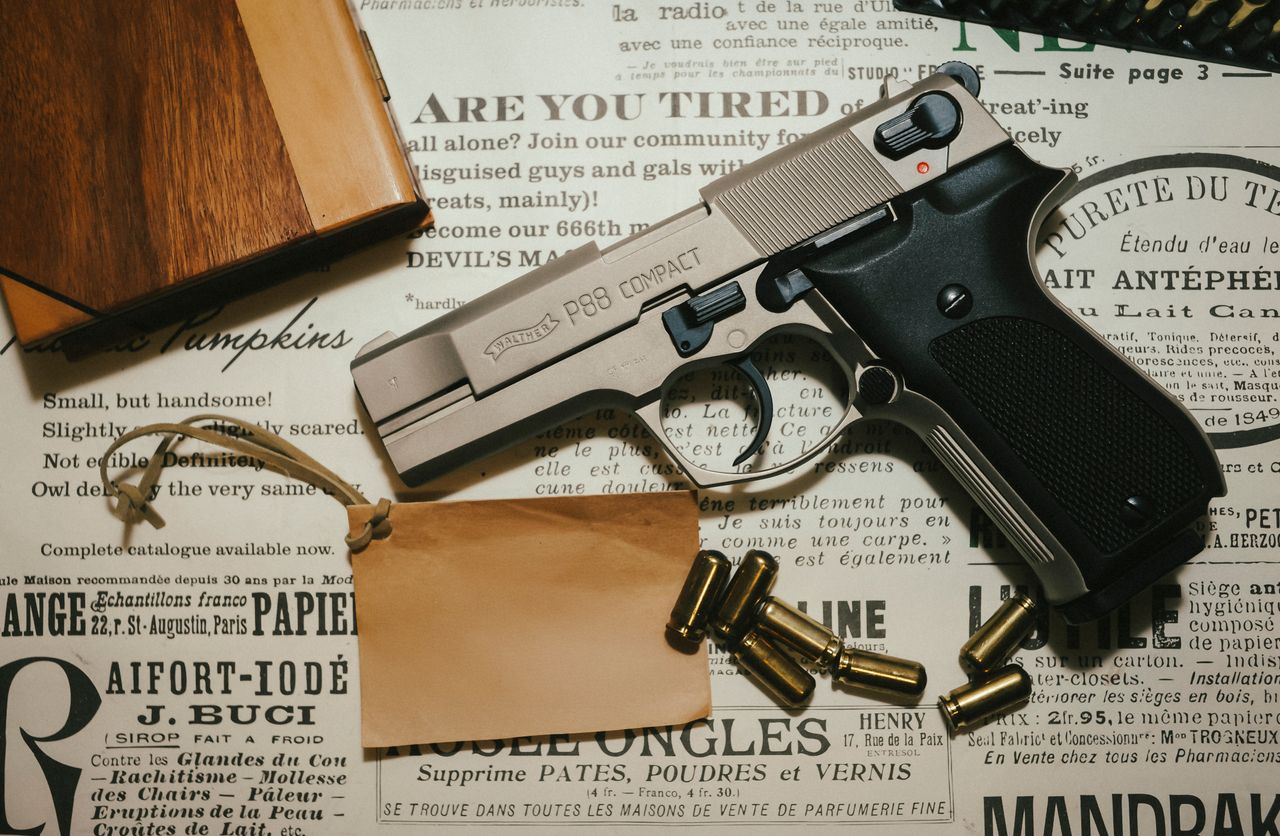
Selling a firearm seems straightforward until the legal framework behind firearm transactions comes into focus. Federal law sets the baseline through the Gun Control Act, which defines who can sell, who can buy, and under what conditions a transfer is lawful.
Most commercial sales must run through a Federal Firearms License (FFL) holder, meaning a licensed dealer is the central figure in the process. At the point of sale, the dealer is required to complete ATF Form 4473 and submit the buyer’s information for a NICS background check, which the FBI processes to verify eligibility.
Federal regulations establish the floor, but state regulations can raise it considerably. Some states add waiting periods, require additional permits, or impose stricter documentation rules, making full compliance a matter of knowing both levels of law.
What Makes a Firearm Sale Lawful
The Gun Control Act governs the foundation of every firearm transaction in the United States. Commercial sales generally run through an FFL holder, with ATF Form 4473 and a NICS background check serving as the central requirements at the point of sale. State regulations can then layer additional requirements on top of that federal baseline, which is why understanding both levels matters before any transfer takes place.
How Dealer and Private Transfers Differ
The distinction between dealer-mediated sales and private transfers is one of the most commonly misunderstood areas of firearm law. Each path carries its own set of legal obligations, and confusing the two can expose sellers to serious compliance risk.
When an FFL Transfer Is Required
Any sale conducted by a licensed dealer requires an FFL transfer, meaning the transaction must include ATF Form 4473 and a background check before the firearm changes hands. This applies whether the sale happens in a storefront, at a gun show, or through an online purchase where the firearm ships to a local dealer.
Private sales between two individuals operate under a different set of rules at the federal level. Federal law does not require a background check for private transactions, but it does prohibit knowingly selling to a prohibited person, which creates a legal obligation even without a formal process.
Where Private Sale Rules Change by State
State regulations reshape this picture significantly. Several states, including California, Colorado, and New York, require all private sales to be processed through a licensed dealer, effectively extending the background check requirement to every firearm transfer regardless of who is selling.
Beyond background checks, some states layer on waiting periods or minimum age requirements that exceed federal standards. Sellers navigating both dealer-mediated and private pathways, including firearm buying services such as We Buy Guns that facilitate lawful transfers, must account for these state-level rules to remain in full compliance.
Why Crossing State Lines Changes the Rules
When a firearm transaction involves two people in different states, the legal picture shifts considerably. A private sale that might be permissible within one state can become unlawful the moment an out-of-state resident enters the equation.
Federal regulations require that transfers to residents of another state generally go through a licensed dealer holding a Federal Firearms License (FFL) in the recipient’s home state. The firearm must be shipped to that FFL holder, who then processes the transfer under local rules.
Interstate shipment is governed by stricter standards than many assume. Both federal regulations and destination-state laws apply simultaneously, meaning a seller must satisfy requirements on both ends of the transaction before a firearm transfer is legally complete.
Red Flags That Raise Legal Risk

Straw purchasing occurs when one person buys a firearm on behalf of another who cannot legally acquire one. It is a federal crime, and its warning signs often surface during the transaction itself.
Dealers and sellers should take note when a buyer defers to someone else for answers, shows reluctance to complete ATF Form 4473, or appears unfamiliar with the firearm they are selecting. These patterns can indicate that the true recipient is a prohibited person attempting to circumvent a background check.
The Bureau of Alcohol, Tobacco, Firearms and Explosives (ATF) treats these situations as compliance failures when dealers proceed despite visible warning signs. Stopping a transaction under these circumstances is not optional; it is a legal responsibility.
What Records Must Be Kept
Licensed dealers are required to retain completed ATF Form 4473 for a minimum of 20 years, along with acquisition and disposition logs that document every firearm entering or leaving their inventory. These records support compliance audits and allow the ATF to trace a firearm through the chain of ownership if needed.
Private sale documentation requirements vary under state regulations, with some states mandating written records of the transfer and others imposing no formal requirement at all.
Final Takeaway
Firearm transfers sit at the intersection of federal regulations and state regulations, each with its own compliance requirements. Dealer involvement, background check procedures, interstate rules, and documentation form the core checkpoints. Verifying current state-specific requirements before any transfer remains essential.