
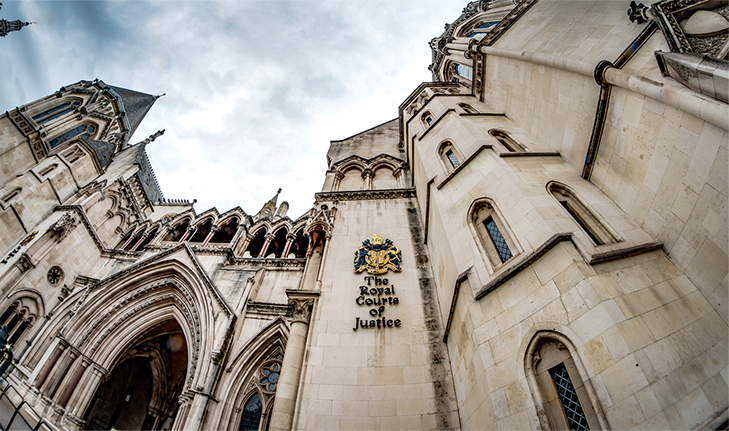
Black Horse Limited v Stuart Angel & Ors has cleared the way for more than 5,000 motor finance commission claims to remain within coordinated multi-claimant proceedings, after the Court of Appeal dismissed an appeal brought by eight finance providers. The judgment in [2026] EWCA Civ 831, handed down on 30 June 2026, confirms that fact-sensitive consumer claims are not automatically unsuitable for a single claim form under CPR 7.3.
The claims concern vehicle finance agreements entered into over a 14-year period. Consumers allege that car dealers received discretionary commissions linked to the interest rates offered without adequately disclosing those arrangements. They contend that the resulting credit relationships were unfair under section 140A of the Consumer Credit Act 1974. The claims were issued through eight claim forms, with each form grouping together customers pursuing the same finance provider.
HHJ Worster had initially directed that the claims should be separated into individual proceedings. Mr Justice Ritchie later overturned that approach, concluding that the claims could be managed together through generic pleadings, disclosure of brokerage agreements and the selection of representative lead cases. The finance providers appealed, arguing that individual questions surrounding disclosure, consumer knowledge and fairness prevented convenient collective disposal.
Lord Justice Coulson rejected the argument that CPR 7.3 requires every claim to be resolved through a single common determination. The assessment of convenience can take account of the court’s case-management powers throughout the proceedings, including coordinated disclosure, common issues and lead cases whose conclusions may influence settlement even when they do not legally bind every claimant. Lord Justice Stuart-Smith and the President of the Family Division agreed.
The judgment does not convert omnibus proceedings into a general class-action procedure. Each consumer must still establish an unfair relationship on the individual evidence, and the court rejected any suggestion that a substantial undisclosed commission automatically creates a presumption of unfairness. The claimants were also criticised for failing to provide sufficiently detailed particulars for individual cases, which had made the identification of common issues and suitable lead claims more difficult.
The decision nevertheless strengthens the procedural options available for large volumes of relatively low-value consumer disputes. Requiring thousands of separate claim forms could make claims commercially unviable because of court fees, legal costs and administrative demands. Omnibus proceedings allow litigation funders, claims businesses and claimant firms to obtain efficiencies without satisfying the separate requirements for a group litigation order.
Defendant firms will need to focus less on whether fact-sensitive claims can be grouped at all and more on the case-management structure proposed. Early challenges are likely to examine the quality of individual pleadings, the definition of common issues, disclosure burdens and whether selected lead cases genuinely reflect the wider claimant population. The Court of Appeal also suggested that the Civil Procedure Rule Committee may need to reconsider CPR 7.3 as courts face increasing volumes of mass consumer litigation.
More from Lawyer Monthly – Vince v Tice Appeal Dismissed | Lawyer Monthly