
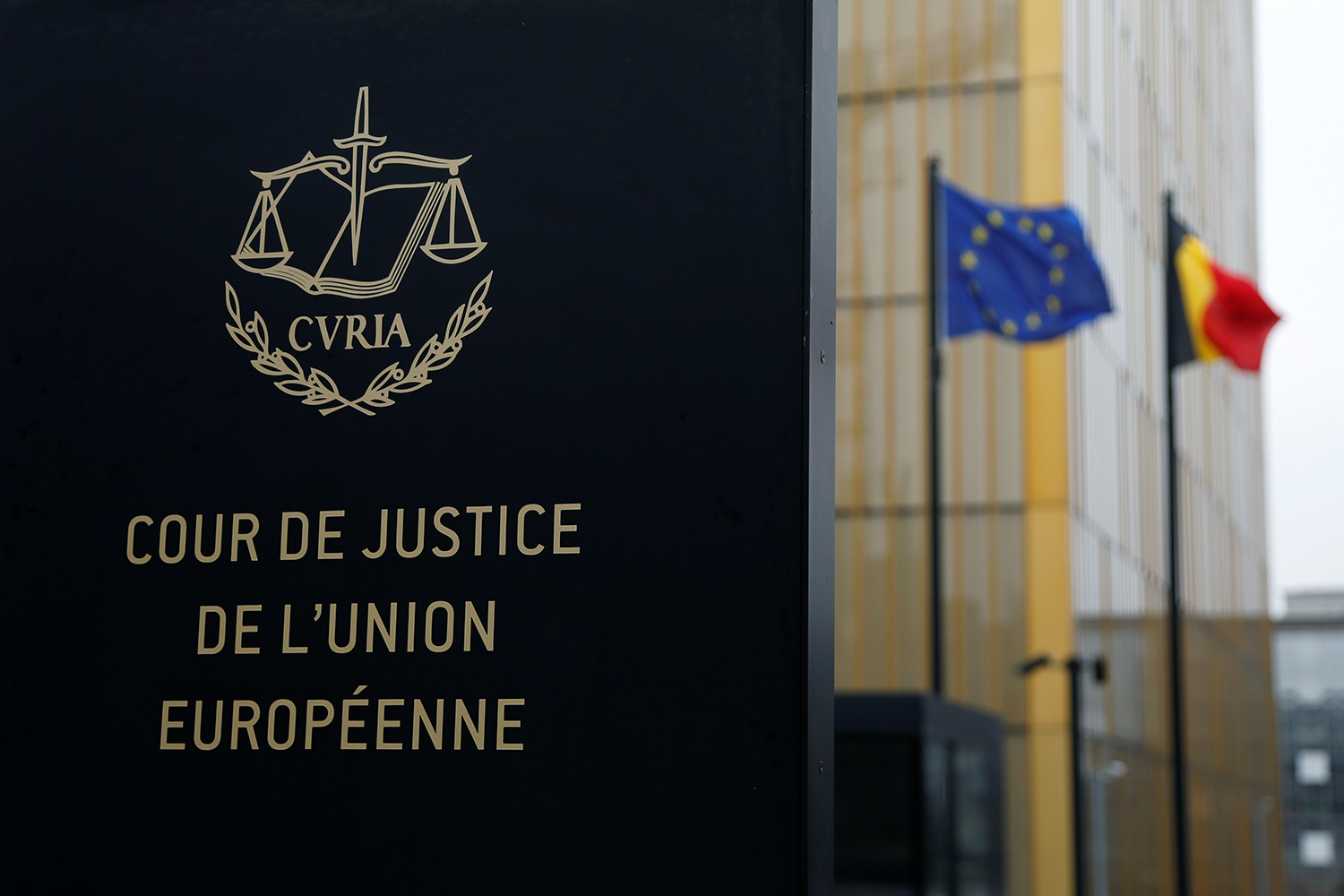
The Court of Justice of the European Union (CJEU) has dismissed Google and Alphabet’s final appeal against a €4.1 billion antitrust fine, closing out a decade-long enforcement action over the Android operating system and leaving the company with no further route of challenge.
The ruling, handed down this week, confirms the penalty as revised by the EU’s General Court in 2022, which had trimmed the European Commission’s original 2018 fine of €4.34 billion.
The Commission’s case centred on agreements that required smartphone manufacturers to pre-install Google Search, Chrome and the Play Store as a condition of Android licensing, arrangements the regulator found entrenched Google’s dominance in general search.
Google has argued the contracts supported an open, interoperable ecosystem and said it adjusted its licensing terms back in 2018 to comply with the original decision. With no further right of appeal, Alphabet’s exposure on this specific matter is now fixed at €4.1 billion.
For in-house counsel at technology companies operating in the EU, the significance lies less in the fine itself than in what it confirms about the Commission’s enforcement priorities. The Commission opened its Android investigation under Article 102 of the Treaty on the Functioning of the European Union in 2015, and this ruling closes out one of the last major competition-law cases from that first wave of Big Tech enforcement.
Since then, the Commission has moved much of its regulatory activity onto the Digital Markets Act and Digital Services Act, which impose ongoing conduct obligations on designated gatekeepers rather than one-off fines contested through years of litigation.
The ruling settles the old competition-law remedies for good at DMA-designated gatekeepers such as Apple and Meta. Their compliance attention now sits with DMA reviews, not fresh Article 102 exposure.
The timing puts the ruling squarely inside an ongoing dispute between Washington and Brussels over EU treatment of American tech firms. Trump has threatened tariffs on countries that impose digital services taxes, and the EU’s shift toward DMA and DSA enforcement is unfolding against that backdrop.
In-house counsel advising US technology clients on EU market entry or expansion will need to factor this friction into compliance timelines, particularly where DSA and DMA enforcement intersects with US trade policy responses. Deal teams structuring EU market entry for platform businesses should treat gatekeeper designation risk, not legacy antitrust exposure, as the live variable in regulatory due diligence going into the second half of 2026.
Brussels-based competition teams advising Big Tech clients should now expect Commission resources to shift toward DMA gatekeeper reviews of Apple and Meta, rather than fresh Article 102 referrals against Google.