
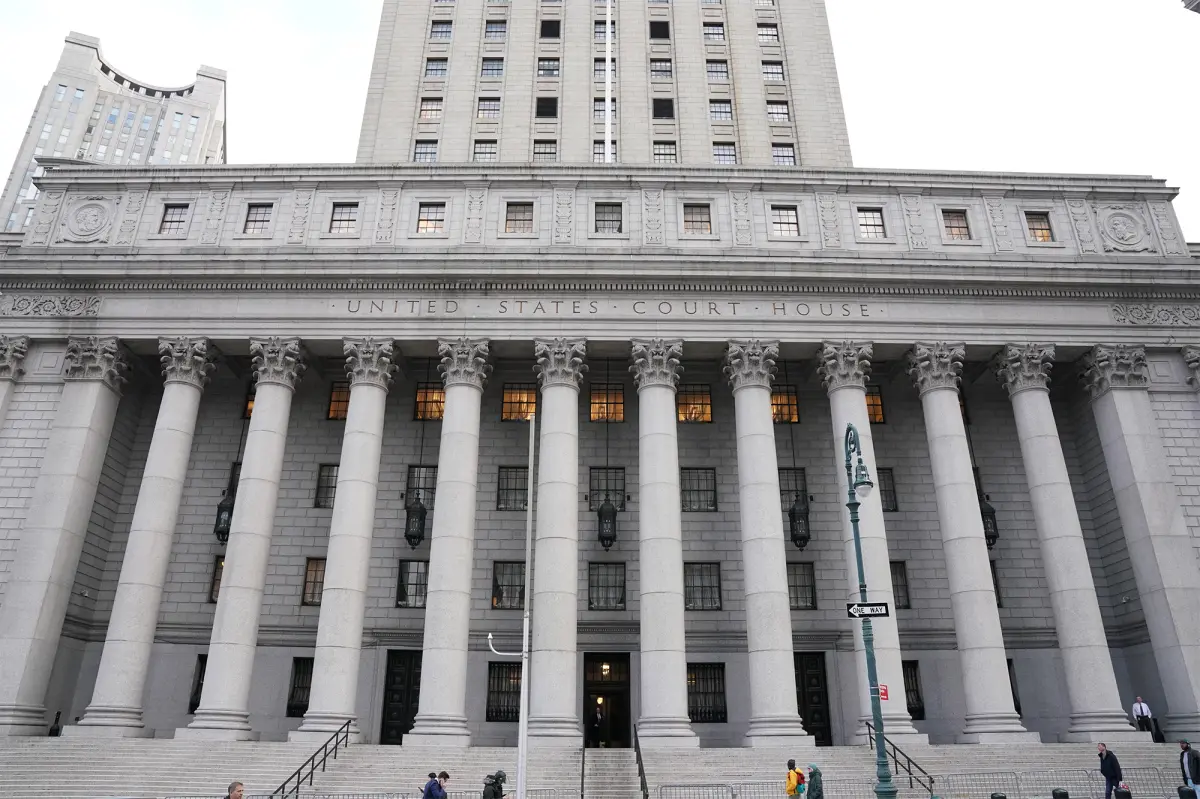
Donald Trump faces the release of nearly $5.8m to E. Jean Carroll after the United States District Court for the Southern District of New York ordered payment of funds held in the court registry following the U.S. Supreme Court’s refusal to take his appeal.
Judge Lewis A. Kaplan issued the disbursement order on 8 July 2026 in Carroll v. Trump. The order directs release of the $5m judgment entered after the May 2023 civil verdict, together with post-judgment interest.
Trump had placed funds with the court while pursuing appellate review, rather than paying Carroll immediately, after jurors found him liable for sexual abuse and defamation. New York’s Adult Survivors Act had allowed Carroll to bring the sexual-abuse claim despite the age of the allegation.
The U.S. Supreme Court declined review on 29 June 2026, leaving the lower-court judgment in place without ruling on the merits. Carroll’s lawyers then sought release of the court-held money under the security arrangement agreed while Trump’s appeals continued.
Trump opposed immediate disbursement and filed a further appeal after Kaplan’s order, but emergency relief was refused by the U.S. Court of Appeals for the Second Circuit. The payment dispute is separate from Carroll’s 2024 defamation judgment of $83.3m, which remains part of the wider litigation between the parties.
The development has practical significance for solicitors and barristers handling civil litigation where appeal security is used to delay enforcement.
Registry deposits, supersedeas bonds, stipulated release triggers and post-judgment interest can decide the commercial outcome long after the liability trial has ended. Counsel advising judgment debtors need to be clear about when appellate options are exhausted and whether a rehearing petition can realistically preserve a stay.
In-house counsel should treat the order as a reminder that reputational litigation can become a direct financial-management issue. A client may continue to contest liability publicly, but finance, communications and legal teams still need a clear plan for security, interest accrual, disclosure and payment timing.
That risk is sharper where senior executives, public figures or consumer-facing brands are involved, because procedural decisions can carry commercial consequences well beyond the courtroom.
Carroll v. Trump gives litigation teams a clear marker on enforcement risk once Supreme Court review has failed. Roberta Kaplan’s team turned the agreed security structure into a route to payment, while Trump’s lawyers attempted to preserve delay through further appellate filings.
Legal practitioners drafting appeal-security orders should now focus on the enforcement endgame. Once an agreed trigger occurs, courts may treat further delay as procedural exhaustion rather than genuine appellate protection.