
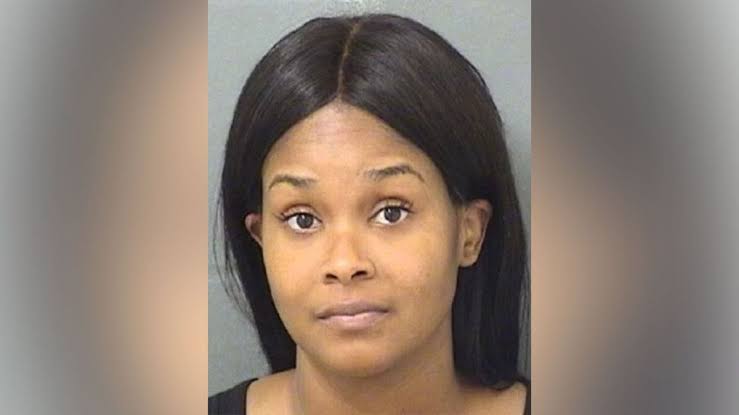
The FBI and its international partners have returned Elaine Escoe from Jamaica to the United States to face charges arising from an alleged $32 million COVID-19 relief fraud scheme in the Southern District of Florida.
Escoe, 41, was indicted in 2025 on charges including conspiracy to commit wire fraud, conspiracy to commit money laundering and substantive counts of wire fraud and money laundering. Prosecutors allege that she failed to appear in court after a federal arrest warrant was issued in May 2025 and fled to Jamaica.
FBI Director Kash Patel said Escoe had been living there under the false identity “Harley Newman” before Jamaican authorities detained her following information developed by the bureau.
Her return involved the FBI, the US Marshals Service, the US Department of State’s Diplomatic Security Service at the US Embassy in Kingston, the Jamaican Constabulary Force and the Jamaica Fugitive Apprehension Team.
For defence lawyers, the operation shows how alleged flight can add a separate layer of procedural risk to an already complex financial-crime case. Counsel may need to assess the effect of the arrest and return on bail applications, disclosure requests and any later sentencing submissions.
The Department of Justice alleges that Escoe and her co-defendants submitted or caused the submission of fraudulent applications seeking more than $32 million from the Paycheck Protection Program, Restaurant Revitalization Fund, Shuttered Venue Operators Grant and Economic Injury Disaster Loan programmes.
The applications allegedly misrepresented the existence, payroll, revenue and operations of businesses and were supported by fabricated tax documents, bank records and other financial records. Prosecutors also allege that some applications were filed for third parties in exchange for kickbacks of up to 50% of the proceeds.
Escoe is the last remaining defendant charged in the scheme. Alfred Davis, Cher Davis and Latoya Clark were convicted by a federal jury in December 2025, while James McGhow and Gino Jourdan previously pleaded guilty. The resulting prison sentences range from 42 months to 235 months. Those outcomes may affect plea discussions and sentencing comparisons, although the charges against Escoe remain allegations and she is presumed innocent unless proved guilty.
The prosecution also reflects the role of the Department of Justice’s National Fraud Enforcement Division, created in April 2026, and the FBI’s Most Wanted Fraudsters List, launched in June. FBI Miami is investigating with assistance from Homeland Security Investigations Miami and the Palm Beach County State Attorney’s Office.
Lawyers appearing before the Southern District of Florida will now need to examine how the co-defendant convictions, the government’s financial evidence and the circumstances of Escoe’s return may affect severance, disclosure, plea negotiations and trial strategy.