
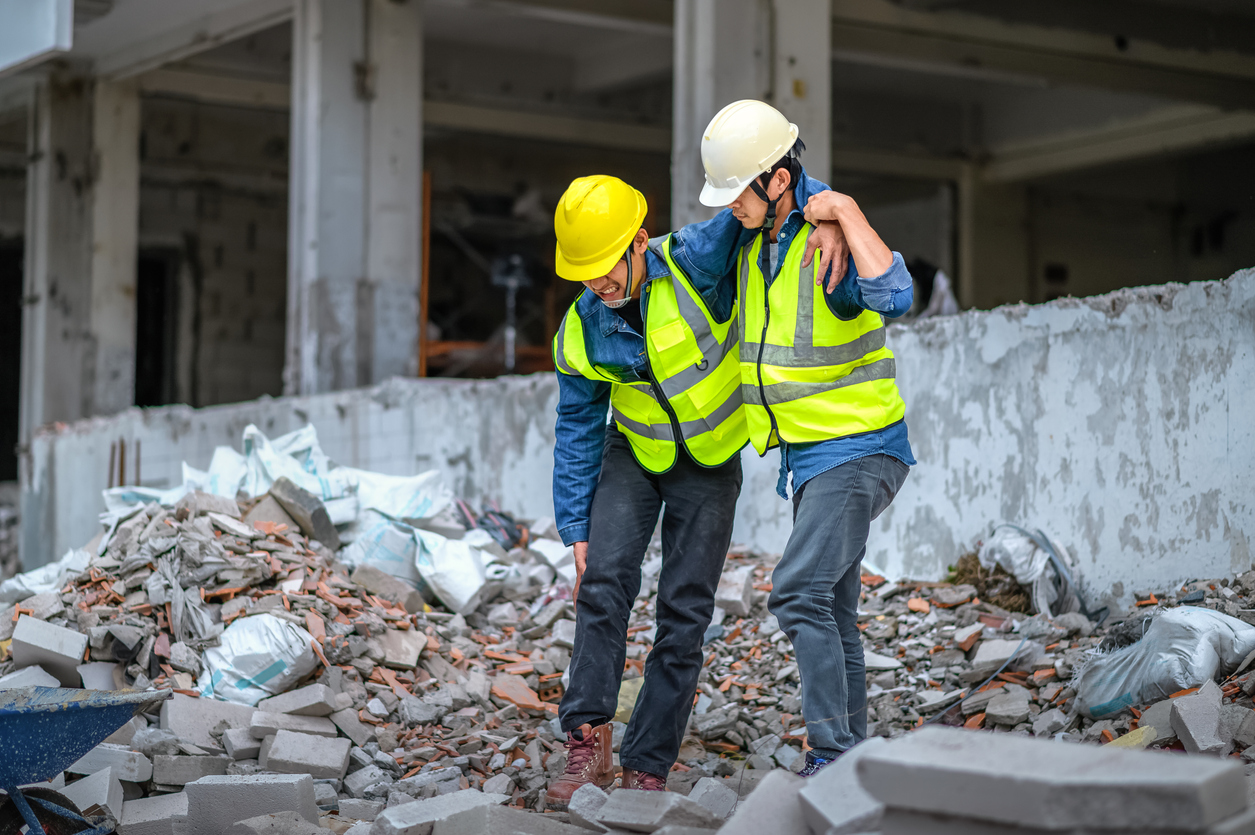
Construction sites in New York City remained dangerous through the start of 2025, with city building data showing 114 incidents causing injury or fatality between January and April alone, resulting in 114 injuries and 4 deaths. Falls made up the largest share of these cases at 48%, followed by other construction-related causes at 30%.
Nationally, falls, slips, and trips remain the single biggest killer on job sites, and the financial toll of these accidents now runs into the billions each year.
When a worker gets hurt on scaffolding, at a demolition site, or during excavation work, figuring out who pays for the damage is rarely simple. Multiple contractors, property owners, and equipment manufacturers may all share blame, and evidence can quickly disappear if no one moves quickly to preserve it. That’s where a construction accident lawyer in New York City steps in, building a case from the ground up using site records, witness accounts, and safety violations. Let’s see how this process actually works.
Early Case Framing
Soon after a site injury, counsel identifies each company connected to the work, the tools, or the location. This review may include owners, general contractors, trade firms, suppliers, and outside inspectors. In New York cases, a construction accident lawyer often reviews labor statutes, compensation filings, and contract duties together, as fault can sit with several parties at once on a crowded jobsite.
Scene Preservation
Site conditions can shift within hours once cleanup starts and crews return. For this reason, lawyers move quickly to preserve ladders, harnesses, planks, railings, debris, and machine parts. They also secure photographs, video, and measurements before repairs alter the area. Those materials can reveal missing fall protection, failed locking devices, or debris that narrows the walking space. Physical proof often speaks more clearly than memory shaped by stress.
Documents That Matter
Records often tell a sharper story than broad oral claims. Attorneys request incident reports, safety meeting logs, inspection notes, training records, repair histories, and daily staffing sheets. Contract language also matters, especially where control of a task appears split on paper. A written trail may show:
- Who assigned the work
- Who knew about a defect
- Who had the authority to stop unsafe activity before someone got hurt
Witness Accounts
Coworkers, foremen, and nearby trades can explain what happened before the injury. Their accounts help establish whether warnings were given, equipment functioned, and supervisors enforced rules. Lawyers usually seek statements early, while recall remains fresh and less affected by later pressure. A credible witness may also describe routine shortcuts, such as removed guards or rushed lifts. Testimony gains force when it matches photographs, timing records, and treatment history.
Medical Causation
Proof of fault means little without a medical link between the hazard and the bodily damage. Lawyers use emergency records, imaging, operative notes, and physician opinions to trace that connection. Defense counsel often point to age, prior strain, or earlier trauma as the true source of pain. Clear charts can respond to such claims by linking swelling, fractures, nerve symptoms, or mobility loss to the date and mechanism of the injury.
Labor Law Claims
New York law gives injured construction workers added protection in many cases, especially after falls from height. A scaffold, ladder, hoist, or platform failure may support a strong claim where proper safety devices were absent. Lawyers compare the facts of the event with statutory language and prior court rulings. Such an analysis can shift the dispute away from a simple argument about carelessness and into a claim with stronger legal footing.
Equipment Failure
When a machine or tool contributes to an injury, product evidence becomes central. Lawyers inspect hoists, lifts, grinders, cranes, saws, and rented equipment for broken parts, poor upkeep, or missing guards. Service logs, serial numbers, and recall notices may identify faults beyond the job site. A device that fails during ordinary use can point liability at a manufacturer, rental company, maintenance vendor, or repair shop.
Digital Proof
Modern job sites generate records that can fix events to a precise timeline. Entry logs, text messages, dispatch systems, and camera footage may show who entered an area and when conditions changed. Email chains can reveal earlier complaints about loose planks, unstable loads, or failed lighting. Lawyers also review plans, shift updates, and safety meeting notes. Time-stamped proof can weaken later denials issued by several companies.
Defense Strategies
Construction defendants often try to place blame on the injured worker. They may argue misuse of equipment, inadequate, ineffective, or non-existent training, or conduct outside assigned duties. Lawyers answer such claims by comparing them with witness accounts, site records, and accepted job practices. If supervisors allowed unsafe methods day after day, that pattern matters. Counsel also tests whether protective devices were present, usable, and positioned where the task actually occurred.
Damages and Pressure Points
Fault evidence carries greater force when paired with measurable loss. Lawyers collect wage records, treatment bills, therapy needs, and opinions about future work limits. Serious injuries, such as spinal damage, brain trauma, burns, or multiple fractures, often require long recovery periods and lasting restrictions. That financial and medical record shapes case value because it shows how the event changed earning capacity, physical function, and ordinary daily life.
Conclusion
Construction accident cases are proven piece by piece through prompt evidence preservation, careful review of records, medical support, and a clear legal theory. Lawyers strengthen a claim when they show who controlled the work, what safety step failed, and how that failure caused bodily harm. In New York workers’ compensation matters, labor statutes can add meaningful force to that effort. Early evidence, gathered well, often separates a weak case from a persuasive one.