
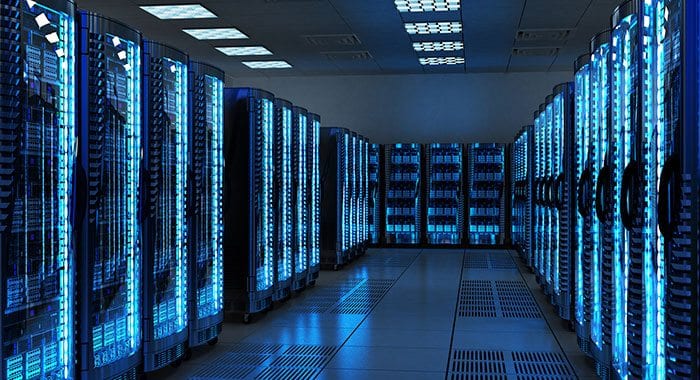
Gavin Newsom has signed seven new California laws imposing broader reporting, infrastructure-cost and environmental requirements on data centres as the state responds to the rapid expansion of AI-driven computing facilities.
The package, signed on September 21, covers electricity, water consumption, land use and local oversight. It includes Assembly Bills 1577, 2383, 2469 and 2619 and Senate Bills 886, 887 and 1168, creating a more extensive regulatory framework for developers planning large data-centre projects in California.
A central legal issue is who bears the infrastructure costs created by facilities with exceptionally high electricity demand. The new measures are designed to prevent qualifying grid-upgrade costs associated with data centres from being shifted to other electricity customers.
The package also requires data centres to comply with California energy-procurement requirements and establishes rules intended to ensure that large new electricity users contribute towards the infrastructure and additional energy supply required to serve them.
Water use is subject to greater scrutiny as well. Proposed data centres will have to provide local governments and water suppliers with information concerning anticipated consumption, available water supplies, efficiency measures and drought planning. Where infrastructure upgrades are required to provide water to a development, the legislation places those costs on the data-centre project rather than the wider community.
The laws also change how data-centre developments interact with Mike Hilgers, NAW Challenge California Plastics Act. The package makes data centres ineligible for blanket environmental exemptions. Projects seeking judicial streamlining must instead demonstrate compliance with state requirements concerning energy, water and fuel consumption and show that infrastructure costs will not be shifted to ratepayers.
For lawyers advising developers and investors, those requirements move utility capacity and resource availability further into the GKN Aerospace FBI EPA Search Warrant Class Actions | Lawyer Monthly. Electricity supply, water availability and the cost of infrastructure upgrades can affect not only the economics of a development but also the regulatory route available to it.
The individual measures address different parts of that framework. AB 1577 covers data-centre reporting, AB 2383 addresses electricity, AB 2469 requires water-use disclosures and AB 2619 concerns water resources. SB 886 establishes the California Technology Innovation and Ratepayer Protection Act, SB 887 addresses treatment of data-centre projects under the California Environmental Quality Act, and SB 1168 concerns data-centre electricity rate structures.
That combination could require legal teams to examine several regulatory regimes before committing capital to a project. Site selection may increasingly depend on the availability and cost of grid connections, water-supply arrangements, environmental-review exposure and the information that must be provided to state and local authorities.
The Data Center Coalition has criticised the package, arguing that overlapping requirements could create uncertainty and make California less competitive for future data-centre investment. The industry group has warned that projects, jobs and associated energy investment could move to neighbouring states.
The dispute reflects a wider regulatory challenge created by the UKJT AI Liability Statement — Lawyer Monthly boom. Data centres can require substantial amounts of electricity, water and land, bringing projects into contact with utility regulation, environmental law and local planning long before servers begin operating.
For developers, the practical effect is that infrastructure planning and legal compliance will increasingly have to proceed together. Contracts for electricity and water, responsibility for upgrade costs, disclosure obligations and environmental approvals may all affect project viability.
California’s seven-law package therefore moves the state towards treating large data centres as a distinct category of infrastructure-intensive development. As demand for AI computing capacity continues to grow, the implementation of these laws will be closely watched by developers, regulators and lawyers assessing how the costs of that expansion should be allocated.