
OpenAI and Microsoft are facing renewed pressure over their fair-use defence in major U.S. copyright litigation after previously redacted evidence became public, with news publishers arguing that statements from senior executives weaken claims that generative AI merely transforms journalism rather than competing with it.
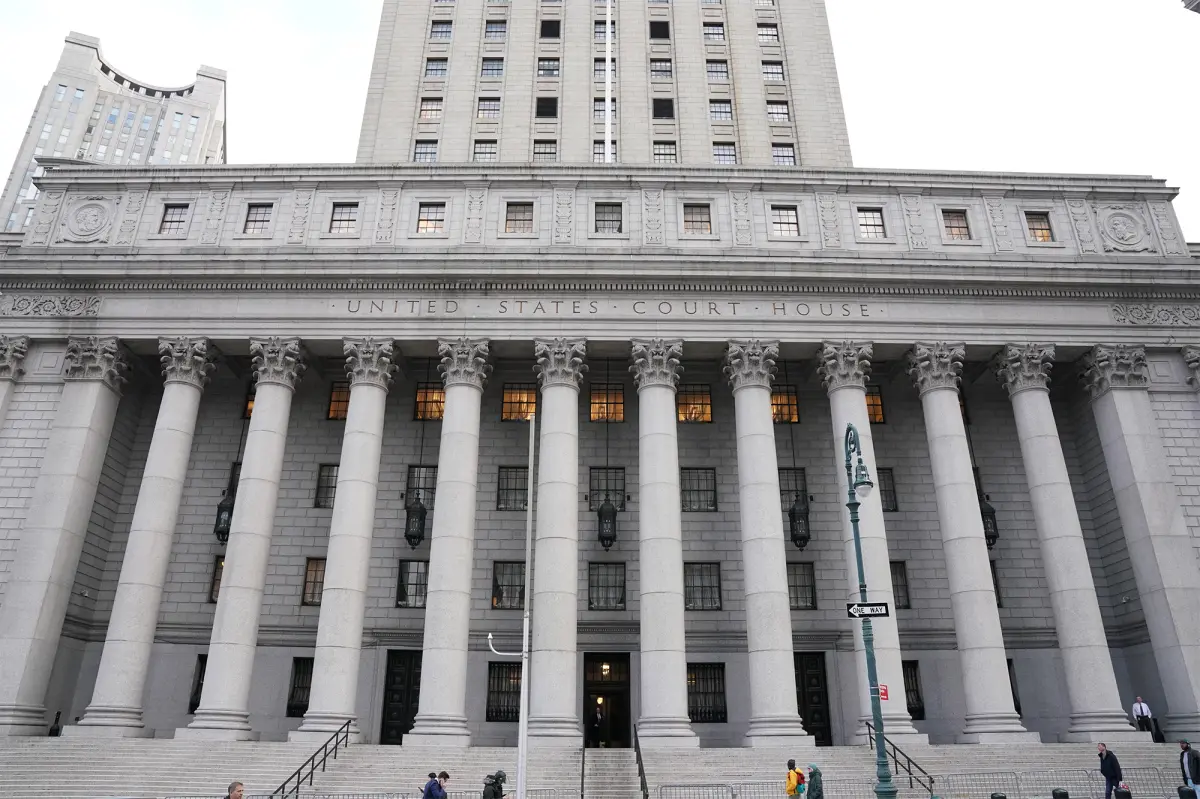
The dispute forms part of In re OpenAI, Inc. Copyright Infringement Litigation, case number 1:25-md-03143, before the U.S. District Court for the Southern District of New York. The multidistrict litigation consolidates copyright claims against OpenAI and Microsoft, including proceedings brought by major news organisations over the use of their journalism in developing generative AI systems. Judge Sidney H. Stein is overseeing the case, with Magistrate Judge Ona T. Wang handling pretrial matters.
The latest development centres on previously redacted portions of the News Plaintiffs’ Combined Summary Judgment Brief. The public filing draws on discovery involving OpenAI president Greg Brockman, Microsoft chief executive Satya Nadella, OpenAI head of ChatGPT Nick Turley and Microsoft director of applied science Brent Hecht. The publishers contend that the evidence supports their argument that generative AI services can substitute for the journalism used in their development rather than simply creating an unrelated new product.
That issue goes directly to the fair-use arguments now before the court. The news plaintiffs allege that OpenAI and Microsoft used copyrighted articles without permission in the development of systems including ChatGPT and related Shoosmiths Project Apollo With Microsoft | Lawyer Monthly. OpenAI and Microsoft maintain that training large language models on copyrighted material can constitute transformative fair use and dispute the proposition that their systems unlawfully replace the original works.
The news-side proceedings include claims involving The New York Times, Daily News, Ziff Davis, The Intercept and the Center for Investigative Reporting. Their September summary-judgment submissions bring the accumulated discovery record into the centre of the case, asking the court to determine significant liability issues without waiting for a full trial. Court scheduling orders confirm that the news cases have their own summary-judgment framework within the wider consolidated litigation.
The newly public material matters because fair use is assessed through several factors, including the purpose and character of the use and its effect on the potential market for the copyrighted work. Evidence suggesting that AI products could serve as substitutes for publisher content may therefore become relevant to the publishers’ argument that the technology affects the commercial market for journalism rather than operating wholly separately from it. The defendants dispute that interpretation and continue to argue that model training is legally transformative.
The legal teams involved underline the scale of the proceedings. OpenAI continues to be represented by Latham & Watkins alongside Morrison & Foerster and Keker, Van Nest & Peters. Microsoft has Orrick, Herrington & Sutcliffe lawyers among its counsel, while Susman Godfrey is involved for plaintiffs in the consolidated litigation.
The wider significance lies in how courts apply established copyright principles to AI development. A ruling on summary judgment could help define how the use of protected works in model training is assessed, how market substitution is measured and how evidence from internal communications and executive testimony is weighed against arguments that generative AI produces transformative technology.
For law firms advising publishers, technology companies and AI developers, the case is also a reminder that OpenAI Discovery Breach: 20M Chat Logs Mandated in SDNY (2026 Analysis) can become as important as the underlying technical architecture. Internal descriptions of how a product competes, how training material was obtained and how executives understood the commercial effect of the technology may influence how UKJT AI Liability Statement — Lawyer Monthly are pleaded and defended.