
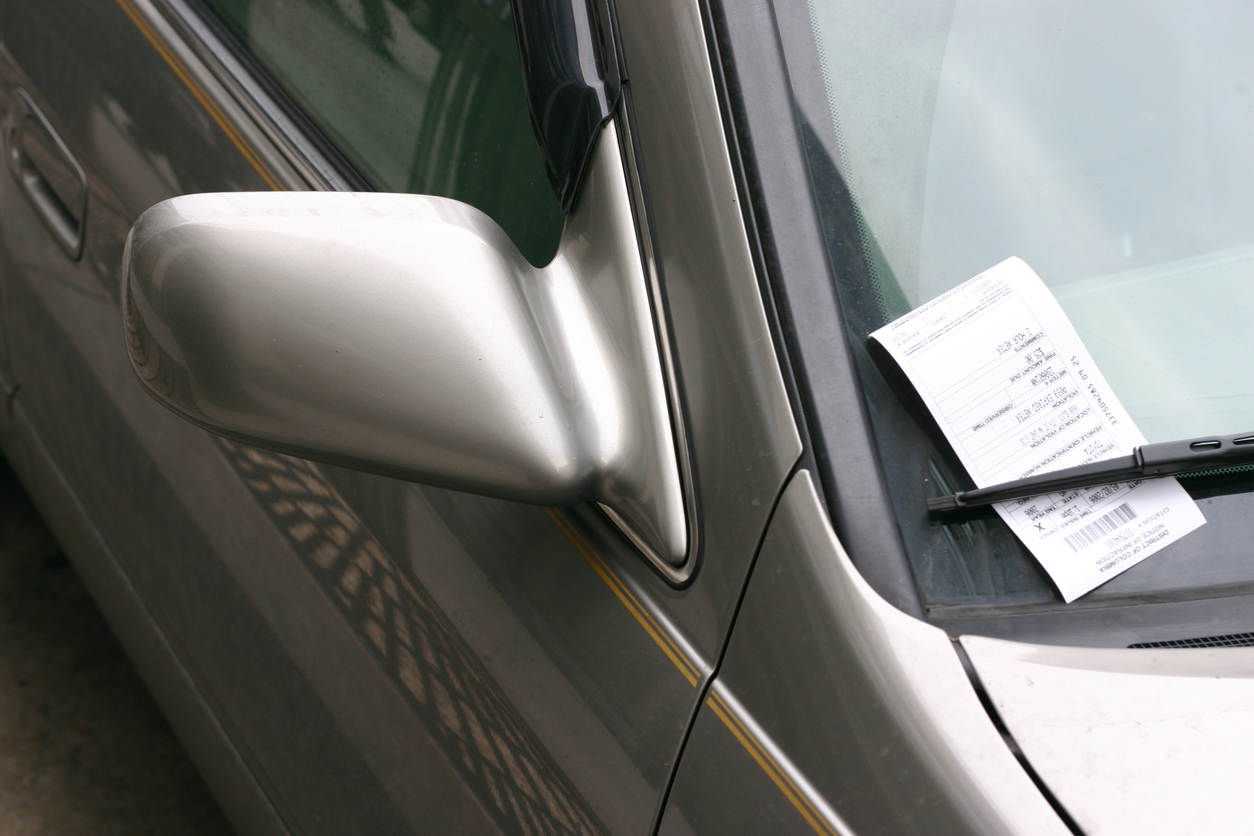
You used to lose a whole day to one speeding ticket. Drive downtown. Find parking. Stand in a line. Wait for your name. None of that felt fair for a ticket that took a police officer thirty seconds to write, especially once you factor in what those points do to your insurance bill later.
That process is now actually faster. Law offices across Kansas City are quietly swapping paper for software. The shift affects almost every aspect of how your case is handled, from the first phone call to the final receipt.
A Ticket Used to Mean a Wasted Morning
A speeding ticket once meant a trip to the courthouse, no matter how minor the charge. You filled out forms by hand. You waited on a bench next to strangers doing the same thing. Then a clerk called your name. You repeated your story to a judge who had heard the same excuse forty times that week.
Plenty of drivers just paid the fine and moved on rather than deal with all that. Those points can sit on a Missouri driving record for up to three years. Insurance companies check that record every time they set your rate, so a ticket you paid off in five minutes can cost you for three full years afterward.
Missouri courts still run the old way in plenty of counties. A growing number of traffic attorneys have built a faster path around it, though. Drivers rarely have to set foot in a courtroom for a basic ticket anymore.
Most of the Work Now Happens From Your Couch
A phone call starts the whole thing today. You give your lawyer the ticket number and, if you’re under 21, your age. That’s close to the extent of it on your end.
An email follows next. It includes an electronic contract you can sign on your phone, plus a clear breakdown of the fine and court costs.
From there, your lawyer contacts the prosecutor and argues for a reduced charge. A report comes back once a deal is on the table.
You pay online or by check. A receipt lands in your inbox within a day or two. No missed shifts. No sitting in a hallway outside a courtroom for two hours to get thirty seconds in front of a judge.
Lawyers Everywhere Are Reaching for Faster Tools
Traffic defense isn’t the only corner of the legal world getting an upgrade. Business lawyers spend enormous chunks of their week buried in contracts. That grind has started to shrink too, and it says something about where legal work in general is headed.
It Stretches Well Past Traffic Court
Picture a commercial lease, a vendor agreement, an employment contract. Someone at a law firm has to read every line and flag the parts that could hurt their client down the road. That job used to eat entire afternoons, one contract at a time.
Now plenty of firms run AI contract review with Spellbook to scan a contract first. The software checks it against a firm’s usual standards, often referred to as a playbook. It hands back marked-up changes in minutes rather than hours. A lawyer still makes the final call on every clause. The software just clears the slow, repetitive part out of the way first.
Court Filings Move Faster Too
Drafting a motion or a brief from scratch used to eat a whole afternoon. Software that pulls from past filings and case law now puts a first draft on a lawyer’s screen in minutes.
Faster Paperwork Means More Attention for You
A lawyer who isn’t drowning in repetitive document review has more room left for the parts of the job that actually need a sharp human brain. Reading a police report closely enough to spot a bad stop takes that kind of attention. So does knowing which prosecutor in Jackson County will accept an amended charge and which one won’t budge.
Tools that clear away the busywork don’t replace that judgment. They protect it, freeing up hours a good lawyer would rather spend on your case than on paperwork.
That logic holds just as well for a $75 speeding ticket as it does for a six-figure supplier contract. A traffic attorney who runs a well-organized office by email and e-signature is applying the same principle on a much smaller scale.
What to Look For Before You Hire a Traffic Lawyer
A few questions separate a modern, responsive traffic attorney from one still stuck shuffling paper by hand.
Ask whether you’ll need to show up in court at all for your specific charge. Most 2- to 4-point violations, like a stop sign ticket or a basic speeding charge, rarely require an appearance once your lawyer starts negotiating directly with the prosecutor.
Find out how the firm actually communicates day-to-day. Phone and email should cover nearly everything. A same-day or next-day response is a fair bar to hold anyone to.
Get a real number for the fee before you agree to anything, too. A flat rate for basic tickets beats an hourly quote that quietly balloons as the paperwork piles up.
Ask how the points from your ticket will hit your insurance rate down the road. Then ask the lawyer to walk you through that math in plain terms, without a lot of hedging or vague percentages.
Pay attention to how quickly a firm responds to your first message. A three-day silence before your court date is even close tells you plenty about how the rest of the case will probably go.
The Ticket Fight Keeps Moving Online
Ten years from now, standing in a courthouse hallway for a stop sign violation will sound as outdated as mailing a check to pay a bill. The firms building faster intake, faster review, and faster answers today are the ones worth calling first.
Everyone else is still catching up one paper form at a time. Their clients are the ones footing the bill for that delay, whether it shows up as a missed workday or three extra years of higher insurance premiums.