
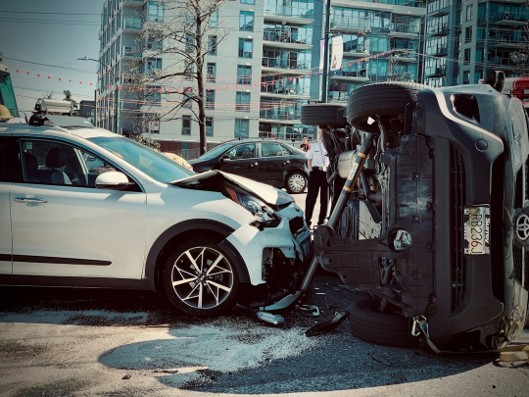
A Florida client calls six weeks after a fender bender. The injury claim is moving, but now a letter says their license and tag are suspended. No one was drunk, and no one was charged with a crime. The cause is a financial responsibility rule most clients have never read.
What they usually need next is an SR-22, proof from an insurer that liability coverage is in place. 5 Star Insurance SR-22 filings in Florida is one route clients use once the requirement is confirmed. This piece maps the non-DUI triggers and the advice that keeps a suspension from repeating. Treat it as general information rather than legal advice, since rules vary by state.
How Does an Uninsured Crash Become a License Problem?
The trigger sits in chapter 324 of the Florida Statutes. Under section 324.051, the department acts on a reportable crash report. Thirty days after notice, it can suspend the driver’s license and every registration in the owner’s name.
The main way out is coverage that existed on the crash date. The statute exempts a driver who had a liability policy with at least the limits in s. 324.021(7). That is $10,000 for one injured person, $20,000 per crash and $10,000 for property. A client who carried only the state’s basic personal injury protection and property damage cover may not fit that exemption.
Other exits exist, and each one ends with proof of future coverage. A signed release from every injured party works. So does a security deposit with the department. Without one of those, the suspension can last 3 years unless the client is reinstated sooner.
What Other Non-DUI Events Lead to a Filing?
An uninsured crash is the common case, but it is not the only one. Counsel should screen for these events at intake.
- Points suspensions. Under s. 322.27, 12 points in 12 months can mean up to 30 days off the road. 18 points in 18 months can mean 3 months, and 24 points in 36 months up to 1 year.
- Serious single violations. Leaving the scene of a crash with property damage over $50 carries 6 points. Reckless driving carries 4.
- Unpaid crash judgments. Section 324.131 keeps a license suspended until the judgment is stayed or satisfied and proof of coverage is filed.
- Registration knock-on effects. Section 324.072 lets the state suspend every registration in the client’s name after a points suspension. The exception is a client who had the required limits on the offense date.
Section 324.072 adds the part clients overlook. The driver must give proof of financial responsibility and then keep maintaining it. That ongoing duty is the SR-22 in practice.
How Is an SR-22 Different From an FR-44?
Florida uses two certificates, and clients often confuse them. The SR-22 covers the non-DUI suspensions above. The FR-44 is reserved for DUI cases and demands far higher limits.
Photo by Prince Prajapati on Unsplash
Alt text: A car key lies next to a notebook
| Feature | SR-22 | FR-44 |
| Typical trigger | Uninsured crash, points, unpaid judgment | DUI conviction or plea |
| Bodily injury, one person | $10,000 | $100,000 |
| Bodily injury, per crash | $20,000 | $300,000 |
| Property damage | $10,000 | $50,000 |
| Statutory source | s. 324.021(7) | s. 324.023 |
The practical message is simple. A client whose suspension has nothing to do with alcohol should not be sold an FR-44 by mistake. A DUI client cannot satisfy the state with an SR-22 either.
What Should Counsel Tell a Suspended Client?
Clients under stress remember short, concrete points. These five are worth putting in a follow-up letter.
- Coverage first, fees second: the filing must be on record before the reinstatement fee is processed.
- The $15 fee is only part of it: s. 324.071 sets that figure, but other holds can add costs.
- No car is no excuse: a non-owner SR-22 policy can satisfy the rule for clients who borrow vehicles.
- A lapse is reported: the insurer sends a cancellation notice, often called an SR-26, and a fresh suspension can follow.
- Confirm the details: a licensed agent and the department can confirm what a specific record requires.
5 Star Insurance, for example, tells drivers that most Florida filings stay active for three years from reinstatement. That period can restart after a lapse, so automatic payments are worth suggesting.
Where Does the SR-22 Fit In a Crash Case?
Uninsured drivers are common enough to plan for. The Insurance Research Council found 15.4% of drivers nationwide were uninsured in 2023. It put the share uninsured or underinsured at 33.4%.
For injury lawyers, that changes the early calls. The first week after a crash is usually about medical care and evidence. A client who caused the crash without liability cover faces a second track at the same time. Their license and registration may be at risk even while the civil claim is open.
A suspension stacks on top of the financial consequences a serious crash already brings. Lost driving privileges can mean lost shifts, missed appointments and a weaker settlement position. Flagging the SR-22 early gives the client time to arrange coverage before the 30-day window closes.
Adding the SR-22 to the Closing Letter
A closing letter is the natural home for this advice. It can name the statute that applied, the limits required and the date coverage must begin. Clients keep paper longer than they remember a phone call.
The certificate itself comes from an insurer, often arranged through an agency like 5 Star Insurance. A lawyer adds value one step earlier, by naming the trigger before a second letter arrives.
Frequently Asked Questions
Does a Points Suspension Require an SR-22 In Florida?
Section 324.072 requires a driver suspended under s. 322.27 to give and maintain proof of financial responsibility. In practice, that proof is usually an SR-22 filed by the insurer.
Can a Client Avoid a Suspension After an Uninsured Crash?
Possibly. Section 324.051 lists exemptions, such as a signed release from injured parties or a security deposit, each paired with proof of coverage.
What Liability Limits Does a Florida SR-22 Certify?
It certifies at least $10,000 for one injured person, $20,000 per crash and $10,000 for property damage. Lawyers and agents often shorten this to 10/20/10.
Does Paying a Crash Judgment Lift the Suspension?
Payment is only part of it. Under s. 324.131, the judgment must be stayed or satisfied, and the driver must also file proof of financial responsibility.
Manin image – Photo by Anthony Maw on Unsplash