
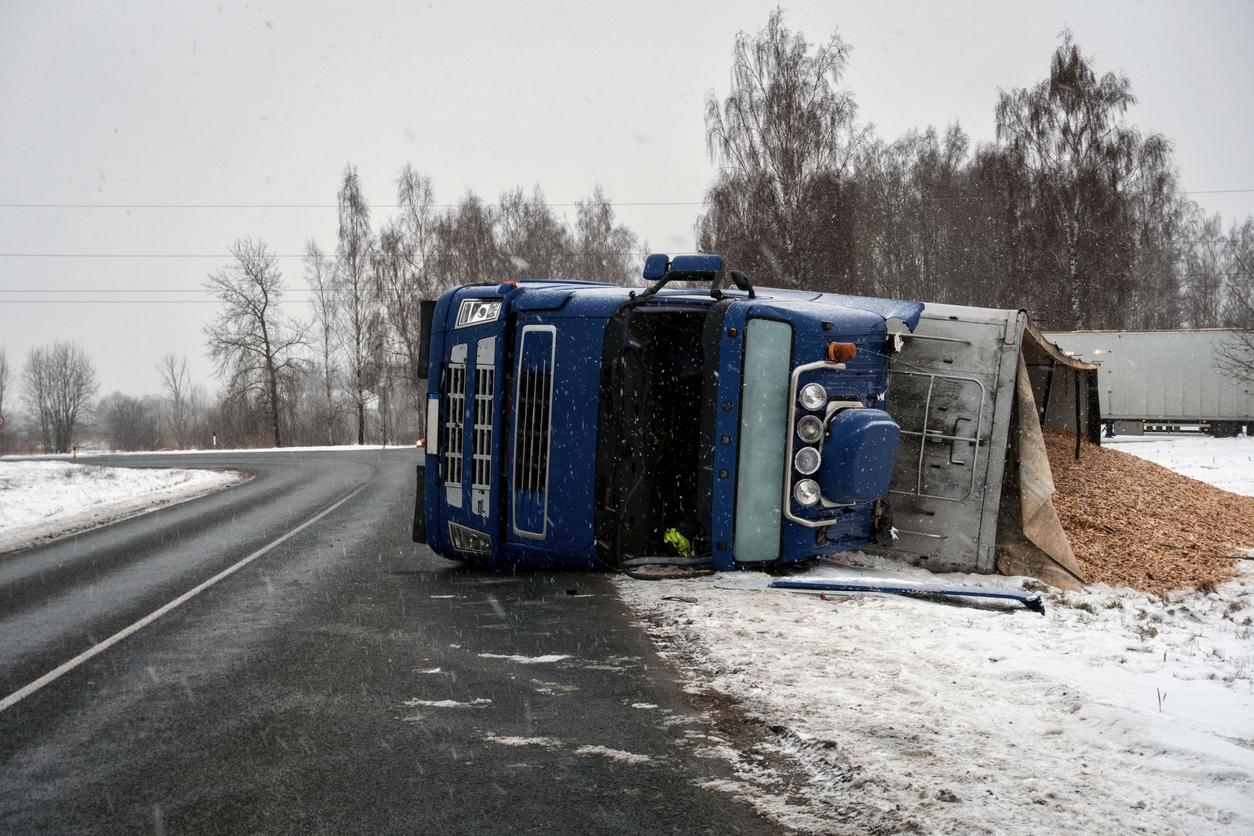
Colorado’s extensive highways connect major cities, mountain communities, and commercial centers, creating a steady flow of passenger vehicles and large trucks across the state. When a truck collision occurs, determining what led to the crash can be far more complicated than relying on statements from the drivers or the condition of the vehicles afterward. Commercial trucking operations generate a wide range of records that may reveal what happened before impact, including information about driver activity, vehicle condition, cargo handling, and company practices. These records can become especially important when multiple businesses or individuals played a role in the trip, and responsibility is disputed.
Because electronic data, video footage, maintenance documents, and other evidence may not remain available indefinitely, investigating the circumstances promptly can make a significant difference. Understanding what records exist and what they may reveal can help injured individuals and their legal teams build a clearer picture of the collision. By consulting a slip and fall accident attorney, Colorado Springs residents can assess how careful evidence preservation supports injury claims.
Driver Records Can Show Conduct Before the Crash
Hours-of-service records can show whether a driver had enough off-duty time before operating the truck. Electronic logging device data records driving activity, duty status changes, location information, and possible edits. Investigators compare those entries with fuel purchases, toll transactions, delivery scans, cell records, and surveillance footage. The comparison can expose false logs or unexplained gaps. A driver who reported being off duty may appear at a loading facility or continue traveling during that period. Records can also show speeding, harsh braking, sudden lane changes, or other driving events captured by telematics systems.
Employment and Training Files
A driver qualification file may contain license information, medical certifications, road-test results, training documents, and prior safety records. The file can show whether the carrier checked the required qualifications before assigning the driver. Hiring and disciplinary records provide additional context. Repeated complaints, preventable crashes, failed inspections, or prior warnings can show what the company knew before the collision. Payroll and scheduling data can reveal pressure to meet delivery deadlines or drive beyond planned hours.
Maintenance Records Can Expose Mechanical Causes
Inspection, repair, and service records help determine whether a mechanical defect contributed to the crash. Investigators review work orders, parts invoices, inspection forms, tire records, brake measurements, and defect reports. These records can reveal missed inspections, repeated repairs, or unresolved problems. A recurring brake issue takes on different significance when the company documents it repeatedly, yet keeps the truck in service. Post-crash photographs and component testing then help determine whether the defect existed before impact or resulted from the collision.
Cargo and Dispatch Records Build the Timeline
Bills of lading, weight tickets, loading photographs, seal records, and cargo manifests show what the truck carried and how the load moved through the shipping process. These documents can identify overweight cargo, improper distribution, or changes made after the truck left the shipper. Dispatch communications can include delivery deadlines, route changes, weather-related concerns, and instructions for the driver. GPS data can confirm the truck’s location and speed at particular times. Together, these records help establish whether a business decision created unsafe driving conditions.
Scene and Post-Crash Records Preserve Physical Evidence
Injury lawyers help identify and preserve important documents. Police reports, 911 recordings, inspection documents, ambulance records, and roadway photographs create an early account of the collision. Crash data retrieval systems can provide information on speed, braking, seat belt use, and changes in vehicle movement, depending on the truck and equipment involved. Video footage from nearby businesses, traffic cameras, dash cameras, and other vehicles can disappear quickly. Investigators should request preservation before automatic systems overwrite the files. Weather records, road-maintenance logs, and construction records can also clarify visibility, surface conditions, or roadway defects. Medical records link the crash to the claimed injuries. They document diagnoses, treatment, work restrictions, and prior conditions, while employment records show missed work and reduced earnings.
Conclusion
Truck crash records can answer questions that a damaged vehicle or a brief witness account cannot. They can show who controlled the truck, what the driver did before impact, whether the carrier maintained its equipment, and how the shipment was handled. After a collision, injured people should preserve photographs, medical documents, contact information, and insurance communications. A prompt legal review can also identify records that require immediate preservation before routine retention systems delete them.