
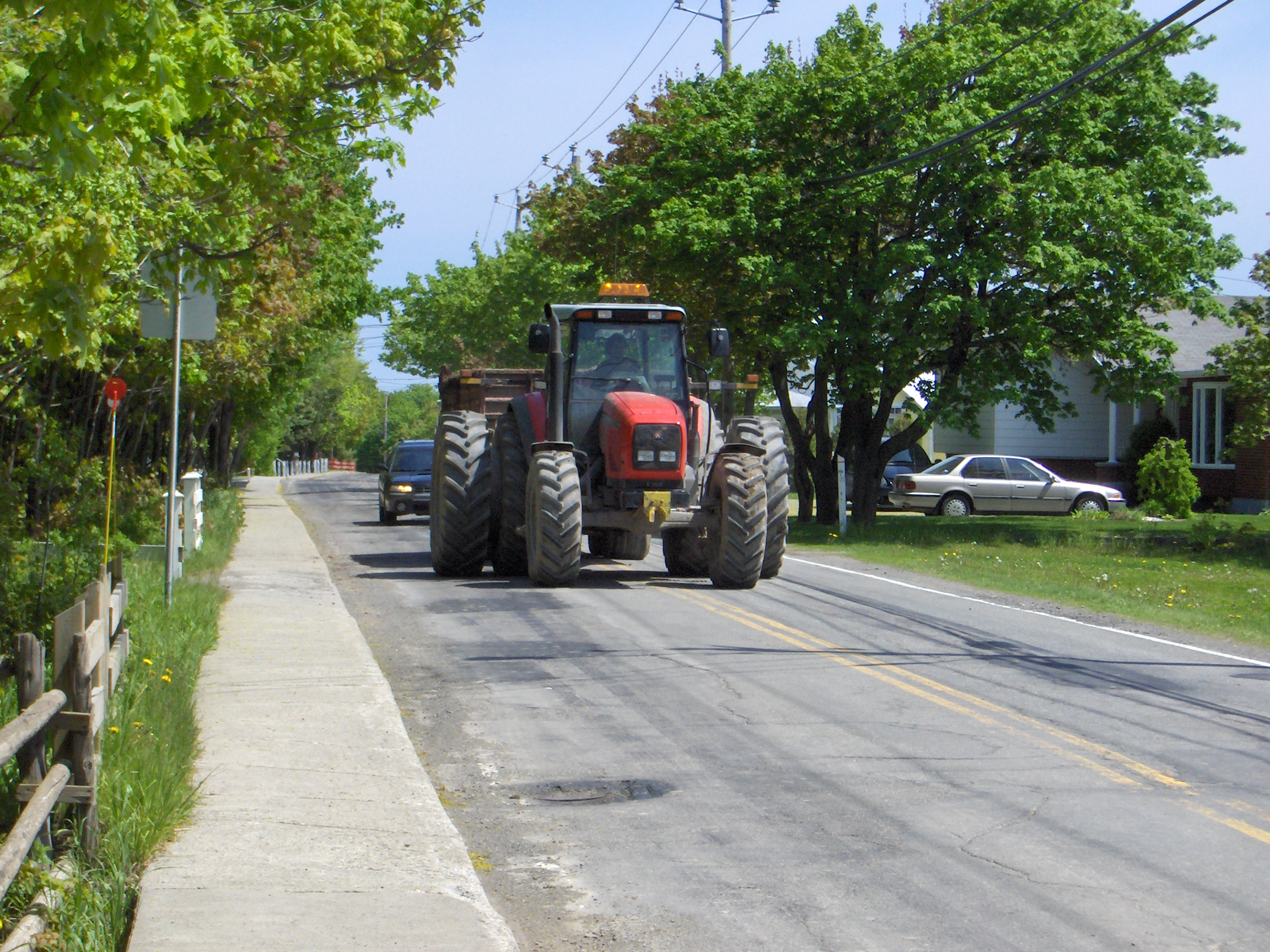
Harvest season in South Georgia changes the rhythm of the two-lane roads. Peanut combines, cotton pickers and tractors pulling loaded wagons share the same asphalt as school buses, log trucks and commuters running late for a shift. Most days everybody gets where they are going. When something does go wrong, the gap between a tractor rolling at 20 miles per hour and a pickup doing 60 means the damage is rarely minor, and the legal questions that follow look quite different from a fender bender at a stoplight in town.
A farm equipment crash pulls together traffic law, agricultural habits that have been around for generations, and insurance policies written with the farm in mind rather than the highway. Claims like these can sit unresolved for months if nobody works out early who was responsible for which part of the collision.
How These Collisions Usually Unfold
The same handful of scenarios turns up in the files that personal injury lawyers in douglas ga and the neighboring counties open every fall. A driver crests a low hill or comes out of a curve, finds a piece of equipment wider than the lane itself, and has maybe two seconds to brake or swerve. On roads with narrow shoulders and deep ditches, swerving often ends in a rollover. Braking hard on a damp morning can put the car straight into the back of a header that sits at windshield height.
Visibility is the other recurring problem. Georgia law expects slow-moving vehicles to display the orange and red triangular emblem on the rear, and larger machines need working lights when they travel after dark. On a working farm, though, emblems fade in the sun, get knocked off by branches or end up caked in red clay. A tractor that looks perfectly visible in the equipment shed can almost disappear on a county road at dusk, especially with the low sun behind it.
The Wide Left Turn
Funny thing is, one of the most common crashes involves no speeding at all. Large equipment often has to swing right before turning left into a field gate, simply because the turning radius demands it. The motorist behind sees the tractor drift toward the shoulder, assumes it is pulling over to let traffic by, and starts to pass on the left at the exact moment the operator begins the turn. Both drivers believe they did the reasonable thing. Sorting out which belief the law favors depends on signals, mirrors, the condition of the road markings and whether passing was even permitted on that stretch.
Some operators use a following vehicle with flashers for big moves between fields. When one is present and positioned well, the risk drops sharply. When the escort is missing, or trails so far back that oncoming drivers cannot connect it to the machine ahead, its absence becomes part of the fault analysis.
Fault Under Georgia’s Comparative Negligence Rule
Georgia uses a modified comparative negligence system. An injured person can recover damages as long as they are found less than 50 percent responsible for the crash, and the award is reduced by whatever share of fault a jury assigns to them. A motorist who suffers $200,000 in losses and is judged 25 percent at fault would be left with $150,000. Reach the 50 percent mark, and recovery is off the table entirely.
That threshold explains why insurers fight so hard over percentages in these cases. The farm’s carrier will usually argue that the motorist was following too closely, driving too fast for a rural road or looking at a phone. The motorist’s side will point to the faded emblem, the dead taillight, a turn made without a signal or an operator who was never trained to drive on public roads in the first place. Seasonal workers sometimes move equipment with very little instruction, and that detail tends to matter more than people expect.
Evidence in these cases has changed a great deal over the past decade. Many newer tractors and combines carry telematics systems that log speed, location and engine data, and passenger vehicles often store several seconds of pre-crash data in their airbag control modules. Attorneys who spend their careers in rural counties learn the farm calendar along with the case law, and a South Georgia injury attorney who has walked a few harvest-season crash sites usually knows to request those equipment records and the field schedule before anything gets overwritten or tidied up. Photographs of the emblem and lights taken the same day can carry as much weight as any expert opinion offered a year later.
Insurance Coverage Gets Tangled Quickly
Here’s the kicker though: the equipment involved in a crash is not always insured the way a car is. A farmowners policy might extend some liability coverage to machinery traveling short distances on public roads, but the limits and exclusions vary widely between carriers. If the tractor belonged to a custom harvesting crew hired for the season, that company’s commercial policy may be the one that responds. If the operator was a farm employee doing his job, the employer can be held responsible for his conduct, and the claim shifts toward the business itself.
Then there is the injured driver’s own coverage. Uninsured and underinsured motorist protection can fill the gap when the at-fault party carries little or nothing, and in Georgia the specific way that coverage stacks on top of the other driver’s limits depends on what the policyholder selected when buying the policy. Many people only discover which option they chose after a serious crash, when the difference can be substantial.
Occasionally the equipment itself is at fault. A hitch pin that shears, a wagon whose lighting harness was never connected, or brakes on a towed implement that fail under load can open a separate claim against a manufacturer or the shop that last serviced the machine. Those claims follow product liability rules and usually require an engineer to inspect the parts before they are repaired or scrapped.
The Weeks Right After the Crash
The first days matter more in farm crashes than in most others, mainly because the scene disappears so fast. Equipment gets towed back to the barn, damaged parts get swapped out so the harvest can continue, and the field crew scatters once the season ends. Names and phone numbers of anyone who saw the collision are worth collecting immediately, along with photos of the road, skid marks, the rear of the machine and any lights or reflectors still attached.
Speaking of deadlines, Georgia generally gives injured people two years from the date of the crash to file a personal injury lawsuit. That sounds like plenty of time until medical treatment stretches on for a year and insurers slow-walk every request. When county or city equipment is involved, such as a road maintenance tractor mowing the right of way, a written notice of the claim usually has to reach the local government far sooner, and missing that notice window can end the case before it starts. Families dealing with a crash on the roads around Tift County can find a local overview at https://fhtlawyers.com/service-area/tifton-personal-injury-lawyer that explains how claims there tend to move through the system.
Recorded statements are another early trap. An adjuster for the farm’s insurer may call within days, sound friendly and ask for a quick description of what happened. Comments made while the driver is still on pain medication, or before anyone has seen the equipment data, have a way of resurfacing later as proof of fault.
Harvest Comes Around Every Year
None of this is going away. Farms in South Georgia are getting larger, equipment keeps getting wider, and more people commute through agricultural counties than they did a generation ago. Those trends put more cars behind more combines on the same narrow roads. Drivers who know the wide left turn is coming give themselves a little extra room, and farm operators who replace a faded emblem before the season starts spare their neighbors a lot of grief. The rest is a matter of patience on a two-lane highway during the few weeks when the crops come in.