

Emergency Room Errors can have serious consequences because patients often arrive at the hospital during some of the most critical moments of their lives. Emergencies are seen to be fast and capable of being treated rapidly in the emergency department, environment may also lead to errors being committed. Delayed diagnosis, delayed treatment, problems with medication and inability to notice when symptoms have worsened can do more damage to a vulnerable patient.
Medical outcomes are not necessarily unfavorable when it is due to negligence. Complicated cases that require extreme care are done at the hospital’s emergency room and some diseases can be undiagnosed even taken to the emergency station. But, if a mistake happens by a medical practitioner which falls short of the accepted standard of care and the patient suffers as a result,the situation may deserve closer examination.
Common Types of Emergency Room Errors
Physicians, nurses, technicians and other health care professionals working in emergency departments must make quick decisions. Although quickness is desirable, it’s absolutely crucial to be accurate. Another issue includes medicine mistakes, patients might not get a medication that is right for them, might not get the correct dosage, or might get a medication that could interact dangerously with another one that is being given. These types of errors can occur because of ineffective communication amongst healthcare providers.
Delays can also occur in the emergency departments. Delays following the diagnosis, imaging, surgery, or medication use and specialist consultations. While an ER is always prioritized by medical necessity, it’s not a good thing if there is an unreasonable delay that could become harmful when patients have critical symptoms that are not being recognized.
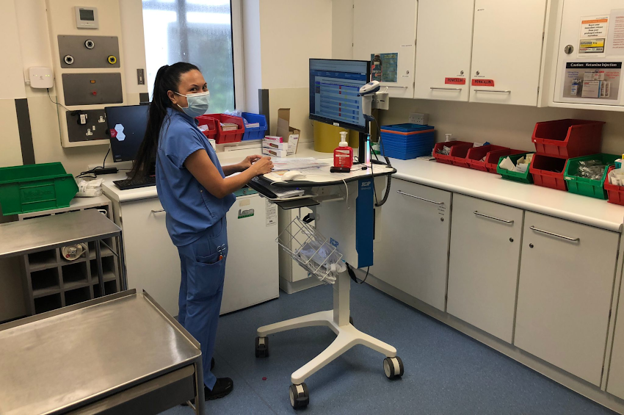
Healthcare professional preparing medication for an emergency room patient.
How Misdiagnosis Can Affect Patients
When a patient is diagnosed, treatment options can be determined. In the same way, warning signs even of a heart attack can appear in different ways than those expected. Patients may develop symptoms that aren’t a lot of pain, like nausea, unusual fatigue, or difficulty breathing. If the symptoms that are worrisome are not investigated properly, either a diagnosis is missed or it’s delayed. A misdiagnosis does not automatically establish medical malpractice. The important question is whether the healthcare provider acted reasonably under the circumstances and whether the mistake caused preventable harm.
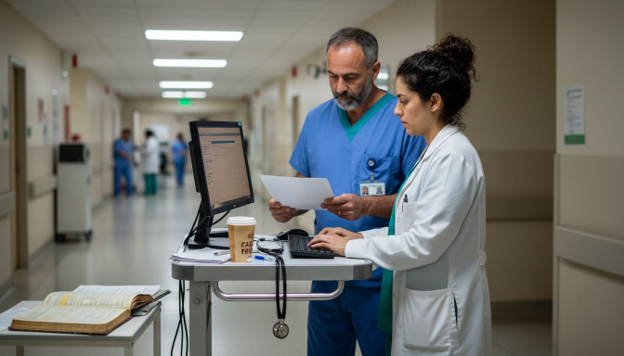
Emergency physician reviewing patient records and medical test results.
Communication and Documentation Problems
A health worker has to get information from family members, previous medical records, paramedics and elsewhere in such situations. Poor communication can lead to an important symptom not being shared with a member of staff or test results not being noted. Poor documentation can also sometimes prevent healthcare providers from knowing what interventions have already taken place and what is still to be addressed.
For example, if the patient’s allergy remains undocumented or it is not shared with their doctor, the patient may end up taking an allergy induced drug which can lead to a hazardous response.
Frequently Asked Questions
Does Every Emergency Room Mistake Qualify as Medical Malpractice?
No, but if an unfavorable outcome or mistake occurs then it is not automatically considered malpractice. In general, the situation needs to be assessed to see if the standard of care was violated and if it led to injury to the patient.
What Evidence May Be Important in an Emergency Room Case?
Medical documentation, laboratory results, imaging, medical work up, medication history, discharge notes, witness statements and a timeline of events all can be helpful. Opinions may also be required from experts in the field of medicine.
Can a Lawyer Help Determine Whether an Emergency Room Error Was Negligent?
Yes,a medical malpractice lawyer will be able to determine the specifics, a medical record, as well as all readily available evidence to see whether the situation is worthy of research.
Conclusion
Errors in the emergency room may have a lasting effect, particularly when the patient did not get good care or it took longer to treat them. It can also be because they were not prescribed the correct medication or had a failure in communication. Although emergency medicine gets tricky and challenging when it comes to decisions and situations, the healthcare providers must still adhere to reasonable standards of care and appropriately respond to the patient’s conditions.
Medical records and information about what happened after the injury to the patient may be important if they had an injury in their emergency care and then were delayed by another injury. If evidence shows the injury resulted from the doctor’s negligence, meeting with a medical malpractice attorney can clarify the situation and help determine what you can do. Eisenberg Winkler Jeck Schwartz Schoenhaus & Sherry, P.C. can assist individuals seeking to understand their rights after potentially preventable harm in an emergency room.