
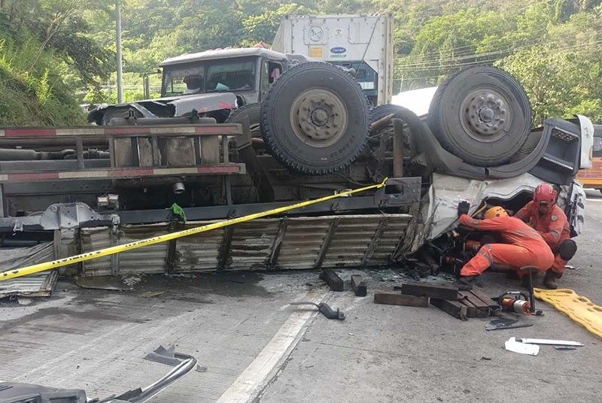
Truck accidents can cause severe injuries, costly medical expenses, truck damage, and other unexpected losses. Commercial trucks are much larger and heavier than passenger vehicles, and collisions involving these can be devastating. A San Marcos Truck Accident Lawyer can help an injured person understand their options and determine who was at fault.
Truck accident claims can also be more complex than most motor vehicle accidents because multiple entities may be liable. Depending on the collision circumstances, the truck driver, trucking company, loading company, maintenance company, or manufacturer may be relevant parties. Electronic logging records, vehicle data, maintenance records, accident reports, and witness statements can help determine the circumstances of the accident and potential liability.
What is Truck Driver Fatigue, and How Can It Contribute to Truck Accidents?
Truck driving can be a long-distance, demanding job with long hours. Factors such as driver fatigue can reduce attention and alertness, slow reactions, and impair decision-making when drivers are not well rested. Federal hours-of-service regulations restrict driving time and ensure rest periods. The rules are fairly consistent for property-carrying drivers: 14 hours on duty and 10 hours off duty after 10 straight hours on duty.

When a truck driver gets tired, it can be especially dangerous at high highway speeds. A tired driver might lose control of the vehicle, miss obstacles, brake too late, or fail to react to changing traffic. Sometimes, if a driver has been driving too long, they may be breaking hours-of-service rules or falsifying their driving logs, so it’s important to review their schedule and logs when investigating a crash.
Fatigue may stem from circumstances beyond the driver. Limited schedules, lack of supervision, pressure from tight timelines, or company practices that let drivers keep driving when they are exhausted can also be factors. Evidence of excessive hours, or company knowledge that excessive hours contributed to the truck accident, can be relevant in assigning responsibility in a Texas truck accident.
Who Can Be Held Liable for a Truck Accident?
To determine responsibility for a truck accident, investigators may need to look beyond the driver. In some cases, several people or businesses may be involved. Investigators can examine the driver’s actions, company policies, vehicle maintenance, and how the vehicle was loaded to determine whether negligence may have played a role.
| Truck driver | May become fatigued, distracted, speed, or drive under the influence of drugs or alcohol and cause a crash |
| Trucking company | May fail to contribute due to negligent hiring, poor supervision, hazardous scheduling, or lack of adherence to safety rules |
| Truck owner | May be responsible for vehicle-related issues depending on ownership and control |
| Maintenance provider | Mechanical failures can be caused by poor repairs or inadequate maintenance |
| Cargo loading company | Cargo that isn’t properly secured or distributed can affect a truck’s stability and handling. |
| Parts manufacturer | A malfunctioning truck part may contribute to a truck accident. |
Finding the responsible parties is especially important if a trucking company is challenging its liability. Company documentation, such as driver logs, electronic logging, maintenance records, inspection records, dispatch logs, and accident logs, can help determine what happened and whether company practices played a role in the accident.
What to Do When a Trucking Company Challenges Liability

A trucking company or its insurer may try to shift blame for the accident onto the driver, other drivers involved, or a lack of evidence that the company was responsible. This can complicate truck accidents, especially when several parties are involved. Proving liability may require a complete investigation of the accident scene, comprehensive documentation, statements from drivers and witnesses, and an analysis of the drivers’ conduct.
If there’s a dispute over who was at fault, preserving evidence becomes even more critical. Electronic logs, vehicle records, auto maintenance logs, inspection reports, photographs, medical records, and other documents may also be relevant to the crash investigation. These records can also help determine whether hours-of-service violations, poor maintenance, loading issues, or company policies played a role in the accident.
Frequently Asked Questions
Is a driver’s conduct a trucking company’s responsibility?
Potentially. The nature of the accident, the driver’s relationship with the company, and the company’s actions can affect whether it may be liable.
How can you prove truck driver fatigue?
Evidence can include electronic logs, duty status logs, dispatch logs, delivery logs, witness logs, and other evidence reflecting the driver’s duty status and work/rest periods.
What happens if the driver in charge of the driver did not follow hours-of-service regulations?
A violation may help establish fatigue as a contributing factor to the crash and support a negligence claim. However, the crash details need to be assessed.
Can more than one party be liable for a truck accident?
Yes. This could include the driver, the trucking company, the vehicle owner, the maintenance company, the cargo-loading company, or another entity.
Conclusion
Truck accidents can involve complex issues like fatigue, hours-of-service regulations, company policy, vehicle maintenance, and more. If the truck company contests liability, review the evidence to determine how the accident occurred and whether more than one party may be at fault for the injuries and damages.
Understanding these questions can help injured people decide what to do next after a serious accident. The Burch Law Firm can help individuals understand their rights after a truck accident and the possible avenues for seeking damages.