
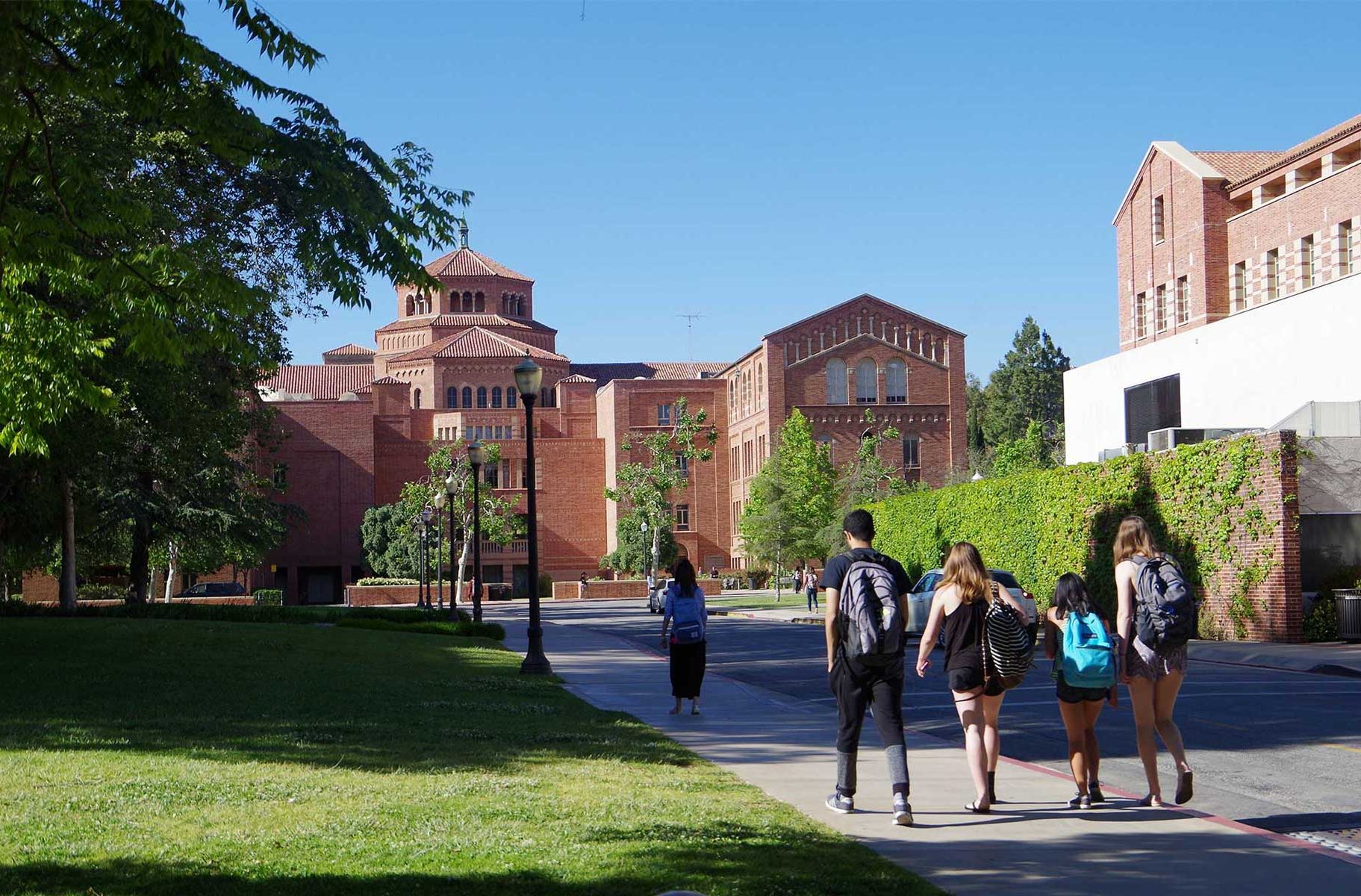
Students at affected campuses including UCLA, UC Berkeley, California State University, Stanford and USC lost access or were warned about Canvas disruptions after a cyberattack against Instructure forced the platform into maintenance mode during finals preparations.
What initially appeared to be a large technology outage quickly escalated into a much broader cybersecurity and operational crisis after a hacker group claiming responsibility threatened to release allegedly stolen student and employee data unless negotiations began before May 12.
The disruption affected major universities across California as students suddenly lost access to coursework portals, lecture materials, quizzes, assignment systems and academic communications at one of the busiest points of the academic year. Several universities advised students and faculty not to log into Canvas after reports that users were seeing ransom-style messages displayed during login attempts.
UC Berkeley warned users to close browser tabs immediately without clicking links, while UCLA said it had proactively disabled local access to Bruin Learn as a precaution while Instructure dealt with the outage.
Instructure said earlier this week that the breach involved names, email addresses, student ID numbers and messages between users, although the company stated there was no evidence that passwords, financial information or government identifiers had been compromised.
Even so, the scale of the disruption immediately raised wider questions about cybersecurity oversight, vendor dependency and how universities manage risks tied to external education technology providers that now sit at the centre of day-to-day academic operations.
That issue may become one of the most significant consequences of the breach. Universities increasingly rely on private software vendors to handle core teaching infrastructure, but outsourcing a platform does not necessarily remove institutional responsibility when systems fail or data is allegedly exposed.
If students lose access to essential academic systems during finals periods or sensitive information is later released publicly, universities may still face scrutiny over vendor oversight, cybersecurity controls, procurement standards and incident response planning.
The disruption has intensified pressure on institutions because Canvas is no longer a supplementary learning tool used occasionally by faculty. Many universities now depend on the platform for assignment submissions, grading, online testing, lecture materials and day-to-day communication between students and staff.
When access disappears during finals preparations, the consequences extend well beyond inconvenience and into questions of academic continuity, operational resilience and institutional preparedness.
Universities may ultimately face concerns over missed deadlines, delayed assessments, accessibility accommodations and whether sufficient contingency planning existed if critical teaching infrastructure became unavailable during one of the busiest periods of the academic calendar.
That issue is becoming increasingly significant as higher education institutions rely more heavily on external technology providers to operate systems central to teaching and administration.
The incident also reflects a broader cybersecurity trend in which cybercriminal groups increasingly target shared service providers capable of disrupting thousands of organisations through a single breach rather than attacking institutions individually.
In higher education, where large numbers of universities depend on the same centralised platforms, one successful attack can create simultaneous disruption across multiple campuses and countries.
That growing dependence on a small number of external providers is becoming a wider governance concern not only for IT departments, but also for university leadership teams, compliance officers and legal advisers responsible for institutional risk management.
The longer-term impact may extend beyond the immediate outage itself. Universities are likely to face increased pressure to strengthen contractual cybersecurity requirements with technology vendors, including stricter breach notification obligations, resilience testing standards, operational continuity requirements and clearer liability provisions covering large-scale service disruptions.
The incident may also intensify scrutiny around whether universities have become overly dependent on a limited number of platforms to deliver essential academic services.
Even without evidence at this stage that passwords or financial information were compromised, exposure involving names, email addresses, student ID numbers and internal communications can still create phishing, impersonation and social engineering risks for affected users.
That means uncertainty may continue for both universities and students until the full scope of the breach and any potential data release becomes clearer.
For students preparing for exams and assignment deadlines, however, the immediate problem remains more direct. Coursework, teaching materials and assessment systems relied upon daily suddenly became inaccessible during one of the most important periods of the academic year, while universities across California continued trying to determine the full extent of the disruption.