
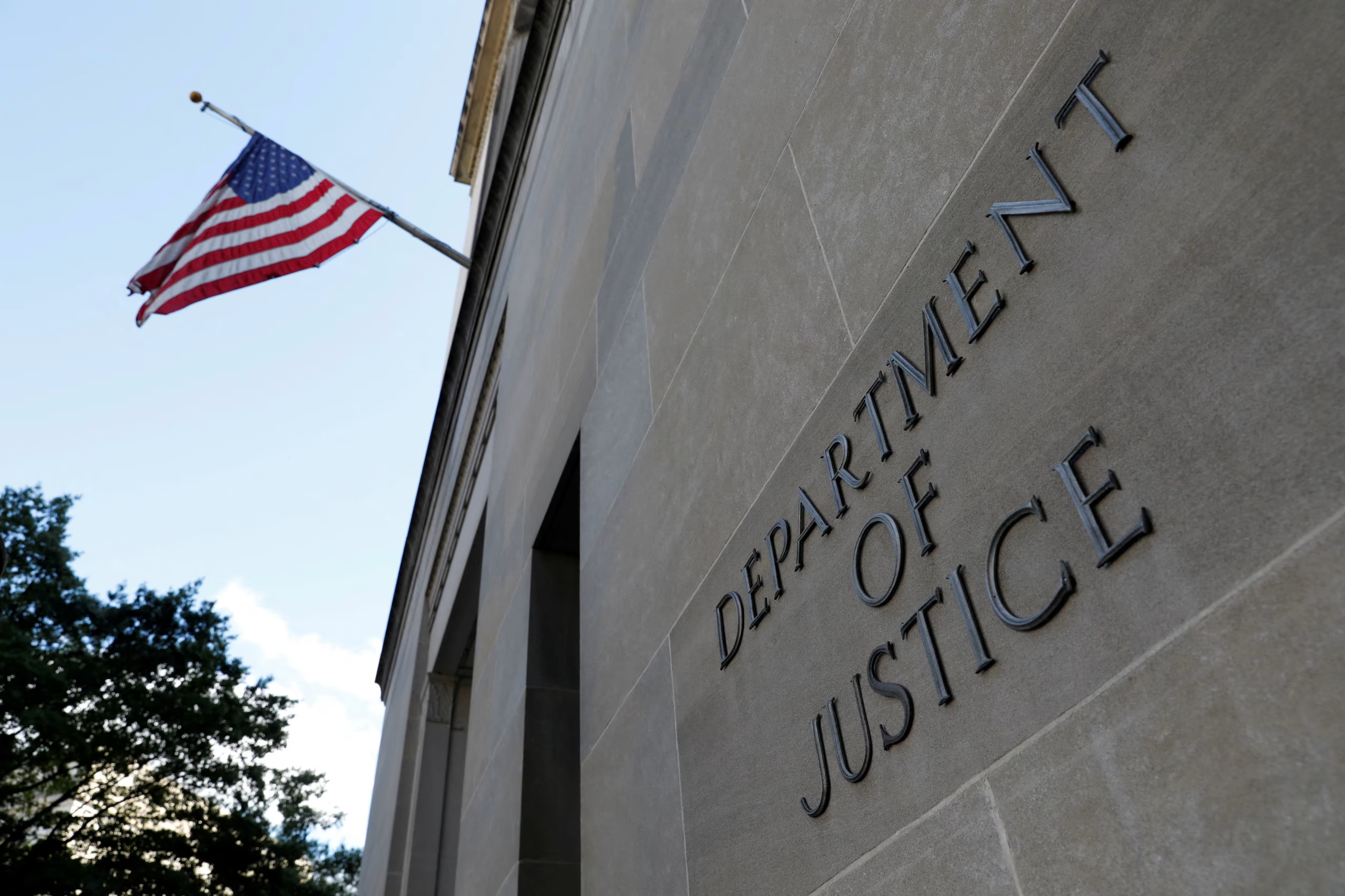
The Justice Department’s antitrust settlement with Agri Stats has intensified debate over how companies use competitor benchmarking and operational data-sharing systems within concentrated industries.
Filed in the U.S. District Court for the District of Minnesota, the proposed settlement resolves allegations that Agri Stats facilitated the exchange of competitively sensitive pricing, production and cost information among major chicken, pork and turkey processors in ways that reduced competition and contributed to higher consumer prices. Agri Stats denied the allegations and stated that the settlement contains no admission of wrongdoing.
The case is significant because it targets the structure of an information-sharing system rather than alleging a traditional price-fixing agreement between competitors. According to the Justice Department, Agri Stats’ reporting systems gave processors detailed visibility into competitors’ operational behaviour, including pricing and production activity, in ways regulators alleged weakened competitive pressure within the market.
That enforcement approach may carry broader implications for corporations that rely on benchmarking services, operational analytics platforms and competitor intelligence systems to guide commercial decision-making.
Historically, many antitrust investigations focused on explicit coordination involving prices, output restrictions or market allocation. The Agri Stats matter reflects growing regulatory attention on whether highly detailed operational visibility between competitors, even through third-party intermediaries, can itself create competition law concerns.
Why the Justice Department Targeted Agri Stats’ Reporting Structure
According to the Justice Department’s Antitrust Division, Agri Stats collected pricing, production, labour and cost data directly from meat processors’ accounting systems, standardised the information, and redistributed it through reports, analytics platforms and industry meetings.
Federal authorities alleged that the system gave processors unusually detailed visibility into competitors’ pricing, output and operational performance while buyers such as grocery chains, restaurants and food distributors lacked access to the same level of market information.
The Justice Department argued that this reporting structure reduced competitive pressure by allowing processors to monitor market conditions and rival activity more closely than would normally occur in a competitive environment. Regulators alleged that the information exchange contributed to coordinated decisions involving pricing and production levels that increased consumer costs across parts of the poultry and meat sector.
Under the proposed settlement, Agri Stats would stop producing certain sales reports for broiler chicken processors, remove some reporting functions identified by regulators as problematic, and make portions of its benchmarking information available more broadly to buyers and the public.
If approved by the court, the agreement would also require the company to establish a formal antitrust compliance programme, implement whistleblower protections and operate under oversight from a court-approved compliance monitor.
The settlement may also influence how companies evaluate benchmarking and market intelligence systems that rely on competitor data. The The Justice Department’s allegations suggest that detailed operational visibility between rivals, even when shared through third-party intermediaries, can create competition law concerns in concentrated industries.
Antitrust Concerns Around Competitor Benchmarking Systems
The Agri Stats settlement arrives at a time when food prices and consumer affordability remain politically sensitive issues in the United States. In its announcement, the Justice Department repeatedly linked the case to grocery prices and alleged harm to consumers, framing the matter not simply as a technical competition dispute but as part of a broader effort to address market practices that regulators believe can increase costs for the public.
Although the settlement does not involve an admission of wrongdoing, the case may become an important reference point in future antitrust investigations involving benchmarking systems, market intelligence platforms and operational data-sharing arrangements within concentrated industries.
The dispute reflects a growing divide between companies that view benchmarking tools as legitimate efficiency mechanisms and regulators concerned that highly detailed operational visibility between competitors may weaken competitive independence within a market.
The case may also influence how companies assess the legal risks associated with commercially sensitive information shared through third-party analytics providers and benchmarking services.
Regulators alleged that the Agri Stats reporting structure gave processors unusually detailed visibility into competitors’ pricing and production activity, while the company argued that its systems helped improve efficiency, expand production and lower costs for consumers.
The proposed settlement and competitive impact statement will now proceed through the Tunney Act review process before the U.S. District Court for the District of Minnesota determines whether the agreement serves the public interest. Agri Stats stated that it expects the settlement to receive approval later in the summer or in early fall.
People Also Ask
Can sharing competitor pricing data violate antitrust law?
Yes. Regulators may view detailed exchanges of non-public pricing or operational data between competitors as conduct that reduces competition or influences market behaviour.
What did the DOJ accuse Agri Stats of doing?
The Justice Department alleged Agri Stats facilitated the exchange of competitively sensitive information involving pricing, production and costs among meat processors in ways that distorted competition.
Did Agri Stats admit wrongdoing in the settlement?
No. Agri Stats stated that the settlement contains no admission of wrongdoing and said it believed it would have prevailed at trial.
Why are benchmarking systems creating antitrust concerns?
Regulators may examine whether highly detailed competitor benchmarking systems allow rival companies to monitor each other too closely and reduce independent decision-making.
What is the Tunney Act review process?
The Tunney Act requires certain DOJ antitrust settlements to undergo public comment and judicial review before becoming final.