
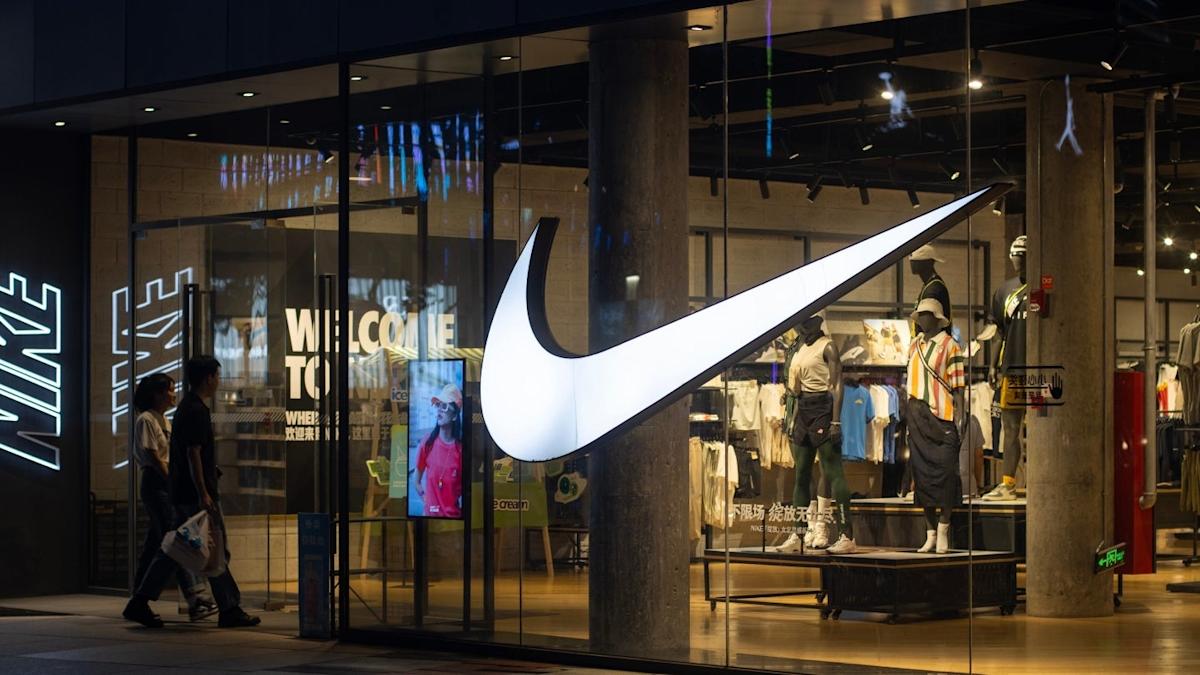
Can consumers get refunds if companies raised prices because of tariffs? That question is now at the center of a class-action lawsuit against Nike, where customers allege the company increased prices to offset Trump-era tariffs and may later recover those same costs from the federal government without refunding shoppers.
The case matters because millions of consumers may have paid higher retail prices during the tariff period without fully understanding how those increases were being calculated or whether companies could later seek reimbursement for the same costs through government refund processes. The lawsuit argues that Nike could effectively “recover the same tariff payments twice — once from consumers through higher prices and again from the federal government through tariff refunds.”
The complaint, filed in federal court in Oregon where Nike is headquartered, alleges that the company responded to tariffs imposed under the International Emergency Economic Powers Act by increasing prices on selected products from June 1, 2025 onward.
Plaintiffs claim Nike publicly acknowledged tariff-related pressure on its business before implementing what it described as “surgical” price increases, including reported increases of between $5 and $10 on certain footwear products and between $2 and $10 on selected apparel and equipment. According to the lawsuit, those higher prices allowed Nike to pass at least part of the tariff burden onto consumers instead of absorbing the costs entirely itself.
The legal issue became significantly more complicated after the Supreme Court of the United States ruled in February 2026 that the challenged tariff regime exceeded presidential authority under the IEEPA. That decision reportedly created a pathway for companies that paid the tariffs to pursue refunds from the federal government through the U.S. Court of International Trade.
Plaintiffs argue that once companies began seeking those refunds, a second legal question immediately emerged: if consumers had already paid higher prices because of the tariffs, should businesses then be allowed to keep both the consumer overcharges and any later government repayments tied to those same costs?
That question sits at the center of the Nike litigation and could ultimately have implications far beyond a single sportswear company. The complaint repeatedly argues that the “economic reality” of tariffs is that companies often pass those costs through to consumers in the form of higher retail prices rather than bearing the full financial impact themselves.
The filing cites economic research and Federal Reserve studies which plaintiffs say support the argument that tariffs are frequently transferred into consumer pricing structures rather than remaining entirely with importers.
For consumers, however, the practical problem is not proving that prices increased. The far harder issue is proving why prices increased and whether those increases created a direct legal entitlement to repayment once tariffs were later challenged in court. Retail pricing decisions are rarely based on one factor alone.
Companies adjust prices for shipping costs, currency movements, labor expenses, inventory management pressures and broader market strategy alongside tariffs. Even where a business publicly references tariffs as part of pricing decisions, courts may still need to determine whether consumers suffered measurable financial harm directly connected to those tariff costs themselves.
The plaintiffs are attempting to overcome that obstacle by framing the lawsuit around unjust enrichment and consumer protection principles rather than simply arguing that Nike charged too much for products.
The complaint alleges that Nike should not be permitted to retain profits generated through tariff-related price increases while simultaneously seeking refunds of the same duties from the federal government. Plaintiffs are seeking restitution, disgorgement of profits, injunctive relief and class-action certification on behalf of consumers who purchased Nike products during the tariff period.
The legal challenge consumers face is largely one of traceability. Most shoppers can identify that prices increased during a specific period, but they usually cannot demonstrate how much of a final retail price was specifically linked to tariffs instead of wider commercial pricing decisions. That difficulty becomes even more pronounced in businesses operating global supply chains across multiple manufacturing countries and thousands of products.
According to the complaint, Nike sources footwear and apparel from factories across countries including Vietnam, Indonesia and China, with imported products accounting for most if not virtually all of its U.S. retail sales. Plaintiffs argue tariffs directly increased Nike’s import costs, but courts may still need to examine how those costs were distributed internally before eventually reaching consumers at the checkout stage.
The scale of the potential refund issue is also significant. The complaint references a March 2026 Court of International Trade ruling which reportedly extended relief broadly to importers who paid IEEPA duties, while public reporting cited in the filing estimated there could be more than 53 million refund transactions involving over 330,000 importers if refunds are ultimately processed at scale.
Plaintiffs argue Nike stands to recover “substantial sums” because of its position as one of the country’s largest importers of consumer goods. The complaint claims that allowing Nike to retain both tariff-related price increases and government refunds would create what plaintiffs describe as a “windfall.”
For consumers considering whether they could eventually qualify for compensation, the biggest uncertainty may ultimately be timing rather than liability itself. The lawsuit is still seeking class-action certification, meaning the court has not yet determined whether the claims can proceed on behalf of a wider consumer class.
Even if certification is granted, litigation involving tariffs, pricing structures and mass consumer claims could take years to resolve. Consumers may also eventually face documentation requirements involving receipts, purchase histories or claims deadlines that many people no longer possess or fail to meet.
The wider importance of the case extends beyond Nike because the lawsuit is testing a broader legal and commercial issue around temporary government-imposed costs and how businesses communicate price increases tied to those costs. Once companies publicly explain higher prices by pointing to tariffs, supply chain disruption or government policy changes, consumers may later argue those explanations create expectations that any future reimbursement or recovery should also benefit the people who ultimately absorbed those costs through higher retail prices.
The complaint also notes that similar lawsuits have reportedly been filed against other major companies including Costco, suggesting the litigation could become part of a wider legal challenge around tariff-related pricing practices and consumer reimbursement claims.
If courts allow these claims to proceed, retailers across multiple industries could face increased scrutiny over how they explain temporary pricing increases and whether consumers should share in any later recovery of costs previously passed through at the cash register.
No court has yet ruled that Nike acted unlawfully, and the company has not admitted wrongdoing. But the lawsuit is still raising an important question for consumers: if companies increased prices because of tariffs and later recover those same costs from the government, should shoppers get some of that money back too?
The case may come down to a much simpler issue than many people expect. Consumers can usually show that prices went up. The harder part is proving those increases were directly tied to tariffs and later government refunds rather than wider business pricing decisions.