
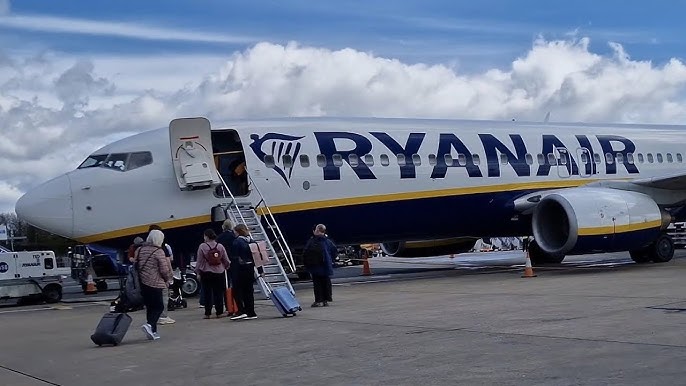
The Competition and Markets Authority (CMA) has launched an investigation into Ryanair’s family seating charges over concerns that parents may be required to pay extra to sit with their children on flights.
The regulator is examining whether the airline’s approach complies with consumer law and whether passengers are given clear information about the total cost of travel during the booking process. It will also consider whether parents are being charged for seating arrangements linked to child safety and disability-related obligations under aviation rules.
Ryanair denies any wrongdoing and says its family seating policy complies with all relevant laws. The airline maintains that parents pay for one reserved adult seat while up to four children travelling on the same booking can sit alongside them without additional reservation fees.
The investigation extends beyond a single airline policy. It touches on wider issues surrounding pricing transparency, mandatory fees, and how businesses present additional charges to consumers, making it a case that legal, compliance, and governance professionals are likely to follow closely.
What Has Prompted the CMA Investigation?
According to the CMA, Ryanair requires parents travelling with children aged between two and 11 to use what the airline describes as a “mandatory family seat” arrangement so that they can sit together during a flight. The regulator said the charge typically costs around £8 each way and is investigating whether the fee complies with consumer law.
Part of the CMA’s inquiry will focus on whether parents are effectively being charged for seating arrangements connected to child safety and disability-related obligations under aviation rules. It is also examining how the fee is presented during the booking process and whether consumers are given clear information about the total price they are likely to pay.
The regulator has not reached any conclusions and has made clear that the investigation remains ongoing.
Ryanair disputes the concerns raised by the CMA and says its family seating policy complies with all relevant laws. The airline maintains that parents pay for one reserved adult seat while up to four children travelling on the same booking can sit alongside them without additional reservation fees.
The Wider Consumer Law Issues Behind the Investigation
Although the investigation focuses on airline seating, the CMA’s concerns are not unique to the aviation industry. Many consumer-facing businesses rely on service fees, booking charges, upgrades, and other add-ons that can increase the final price paid by customers.
The regulator has spent the past year warning businesses about pricing transparency and the way additional costs are disclosed during the purchasing process. Particular attention has been given to so-called “drip pricing”, where consumers encounter extra charges after initially engaging with an advertised price.
That is why the Ryanair investigation extends beyond the question of whether a family seating fee is lawful. The CMA is also examining how the charge is presented and whether consumers are given enough information to understand the total cost of travel before completing a booking.
Although the investigation focuses on one airline’s seating policy, the issues involved extend far beyond aviation. The case will be watched closely by businesses that rely on supplementary fees and add-on charges, particularly as regulators continue to focus on pricing transparency and consumer costs.
The Bigger Issue Behind the Ryanair Investigation
Family seating fees are the focus of the CMA’s investigation, but the issues being examined extend far beyond airlines. Additional charges have become a common feature of consumer purchases, whether for travel, ticketing, subscriptions, telecommunications services, or online bookings.
Businesses often rely on these fees as part of their pricing model. Problems can arise when charges appear late in the purchasing process or when consumers discover costs that were not obvious when they first engaged with an advertised price.
That concern sits behind much of the CMA’s recent work on pricing transparency. The regulator has repeatedly warned businesses about so-called “drip pricing”, where additional costs are introduced during the buying journey rather than being disclosed upfront.
The same principles can apply across a wide range of sectors. A company may view an add-on fee as a legitimate source of revenue, but regulators may take a different view if consumers are unable to understand the full cost of a purchase before making a decision.
Under new legislation, the CMA can fine companies up to 10% of their global turnover if they are found to have breached consumer law. No findings have been made against Ryanair, but the regulator’s expanded powers have increased the potential consequences of consumer law investigations.
The Potential Cost of a Consumer Law Investigation
A consumer law investigation can create costs long before any regulator reaches a final decision. In Ryanair’s case, the CMA is still gathering information and has not reached any conclusions.
Even so, regulatory inquiries often require companies to respond to detailed information requests, seek external legal advice, review internal policies, and examine how products or services are marketed to customers.
In some circumstances, businesses may also decide to update booking systems, customer communications, or pricing practices while an investigation is ongoing.
The financial impact can extend beyond any eventual penalty. Regulatory scrutiny often brings management time, legal costs, and reputational considerations, particularly where pricing practices affect large numbers of consumers.
The Investigation Continues
The CMA will continue examining Ryanair’s family seating arrangements, pricing disclosures, and booking processes before deciding whether any further action is required.
No findings have been made and the regulator has not concluded that Ryanair has breached consumer law. The investigation remains ongoing and will determine whether the airline’s family seating charges and booking practices comply with consumer protection requirements.