
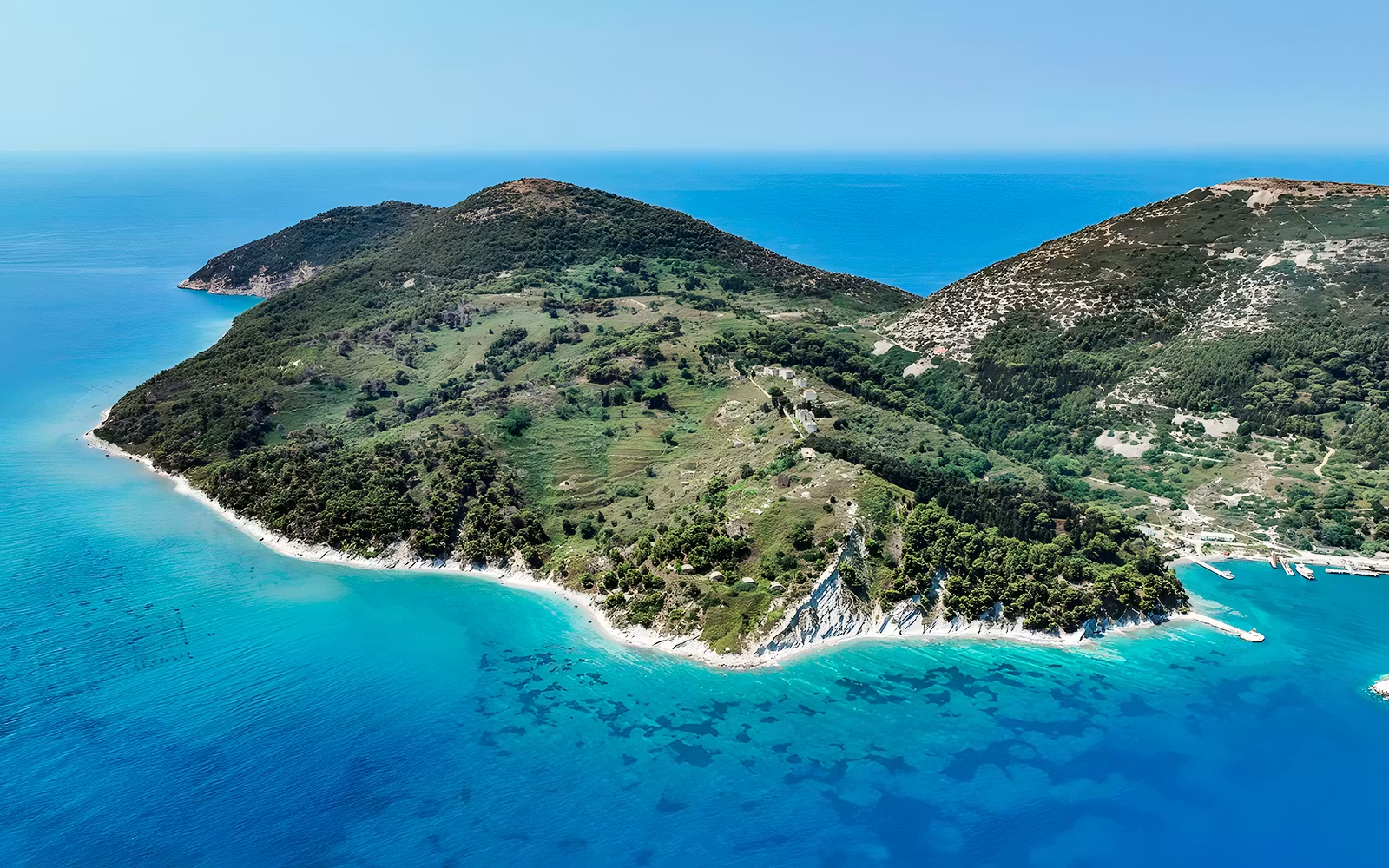
The European Commission has unveiled its first-ever strategy dedicated to islands and coastal communities, a move that highlights many of the same issues being debated around high-profile development projects such as the proposed Sazan Island resort in Albania.
While the strategy was developed independently of any single project, the questions it seeks to address—tourism, environmental protection, housing pressures and economic development, closely mirror those raised by plans linked to investment interests associated with Jared Kushner on the Adriatic island.
The Commission’s new framework reflects a growing challenge facing islands across Europe. Governments want to attract investment, encourage tourism and create economic opportunities, yet many communities are becoming increasingly concerned about the impact of development on housing, public services, local identity and the natural environment.
That debate has become increasingly visible in discussions surrounding Sazan Island. The uninhabited island, located off Albania’s Adriatic coast, has been the subject of plans involving investment interests linked to Jared Kushner.
The project has attracted both enthusiasm and opposition. Advocates point to the prospect of new investment and increased tourism, while environmental groups have argued that extensive development could alter the character of a largely undeveloped island and its surrounding coastline..
Although Albania is not a member of the European Union, it remains an EU candidate country. The issues raised by the Sazan proposal closely resemble many of the concerns identified by Brussels in its new islands strategy.
The strategy identifies a range of pressures shared by island communities across Europe. Many face geographical isolation, limited transport links and shrinking populations, while others are grappling with housing shortages, climate-related risks and heavy dependence on seasonal tourism. Coastal regions face additional challenges linked to marine pollution, biodiversity loss and economic activity that can fluctuate sharply throughout the year.
Brussels wants to tackle those problems through a combination of economic and environmental measures, including support for sustainable tourism, improved transport and digital connectivity, stronger public services, renewable energy projects and climate adaptation initiatives. The wider objective is to help islands attract investment and create economic opportunities without sacrificing the environmental and cultural characteristics that distinguish them.
The announcement comes as coastal and island destinations across Europe continue to attract significant interest from tourism developers, hotel groups and real-estate investors. Many governments view such projects as opportunities to create jobs, improve infrastructure and stimulate local economies. At the same time, concerns frequently emerge over housing affordability, environmental preservation, pressure on public services and the long-term character of local communities.
That balancing act has become increasingly difficult as tourism investment expands across parts of Europe. Governments often welcome major projects because of the jobs, infrastructure improvements and tax revenues they can generate. Residents and environmental groups, however, may worry about rising housing costs, restricted access to natural areas or lasting changes to the places where they live. These competing interests are rarely easy to reconcile, particularly in locations where the natural environment is one of the area’s most valuable assets.
The arguments surrounding Sazan Island are not unique. Similar disputes have emerged across parts of southern Europe as governments seek to attract tourism investment while local residents and environmental groups push back against large-scale development. The European Commission’s new strategy reflects many of those same pressures, particularly the challenge of supporting economic growth without undermining the communities and landscapes that make coastal destinations attractive in the first place.
The Commission’s decision to publish a dedicated islands strategy reflects the growing importance of these issues across Europe. Sazan Island may attract attention because of its high-profile investors and unusual history, but the questions raised by the project are not confined to Albania. As tourism investment continues to target coastal and island destinations, governments, developers and local communities are increasingly finding themselves on different sides of the same debate.