
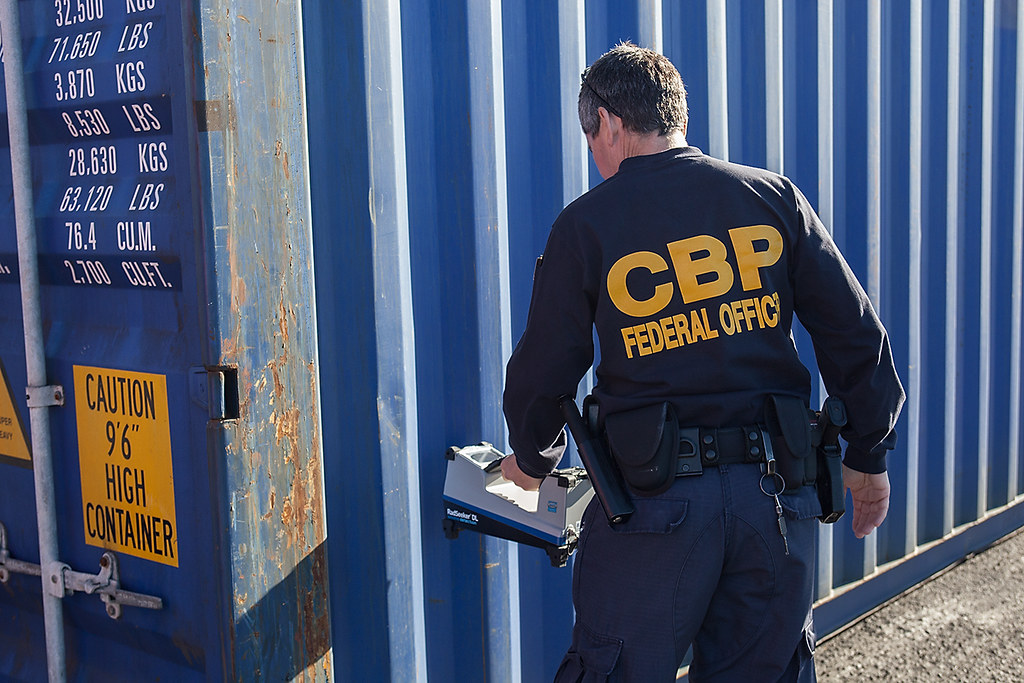
Importers could soon face tougher penalties, higher bond requirements, more aggressive audits and, in some cases, the loss of access to the U.S. market under President Donald Trump’s new customs enforcement order. The move signals a significant shift in federal trade enforcement and raises the compliance stakes for companies that rely on global supply chains.
For businesses wondering what Trump’s customs enforcement order means in practice, the answer is straightforward: importing goods into the United States is likely to become more expensive, more closely scrutinized and potentially far riskier for companies that fall short of federal requirements.
The executive order directs federal agencies to overhaul customs enforcement rules that the administration argues have been weakened by loopholes, insufficient oversight and outdated procedures. While the stated goal is to improve trade compliance and revenue collection, the broader effect could be a substantial increase in regulatory exposure for importers operating in the United States.
Customs Compliance Is Moving Beyond the Shipping Department
One of the most consequential provisions instructs the Department of Homeland Security and U.S. Customs and Border Protection (CBP) to revise importer eligibility rules within 180 days.
Importers of record may soon be required to maintain minimum levels of domestic assets, increased bond coverage, or both. Businesses could also be asked to disclose beneficial ownership information, expected import volumes, business affiliations and other operational details that CBP considers necessary.
For many companies, that represents a shift away from viewing customs compliance as a routine administrative task.
Historically, import compliance has often been managed by logistics teams, customs brokers and supply-chain specialists. The proposed reforms suggest regulators increasingly expect businesses themselves to demonstrate transparency, financial accountability and ongoing compliance throughout the import process.
Foreign importers appear likely to face some of the most significant changes.
The order seeks to restrict their use of informal entry procedures and impose stricter requirements for formal entries, including enhanced bonding obligations and additional compliance safeguards.
According to the administration, overseas importers present greater enforcement challenges because assets, operations and key decision-makers are frequently located outside the United States, making collection efforts and enforcement actions more difficult.
A foreign e-commerce seller shipping thousands of low-value parcels into the United States, for example, could find itself facing substantially higher compliance costs and more extensive reporting obligations than under the current system.
Taken together, the changes point toward a customs regime that places greater emphasis on identifying high-risk importers before problems emerge rather than responding after violations occur.
Increased Audits and Reduced Margin for Error
The order ties customs enforcement to a wider set of concerns, including sanctions compliance, forced labor restrictions, intellectual property protection, product safety and national security.
That broader framing is important because customs disputes may no longer be viewed solely as trade administration issues.
Manufacturers, retailers and import-dependent businesses already facing pressure to verify their supply chains could encounter additional scrutiny through customs enforcement reviews. Import practices that previously attracted little attention may receive closer examination if agencies view them as part of broader compliance concerns.
Companies may also be required to provide significantly more information about supply chains, production methods, foreign tax identifiers and compliance with other federal laws. Failure to satisfy those requirements could result in civil penalties, criminal enforcement actions, or both.
Federal agencies have also been instructed to strengthen enforcement tools. The order calls for increased audits, stronger collection efforts against customs bonds, higher penalty floors, reduced opportunities for mitigation and tougher treatment of repeat offenders. Customs brokers that repeatedly represent non-compliant clients may also face heightened penalties.
This represents a notable departure from an environment in which many import disputes could be resolved through negotiation, mitigation or administrative settlements.
Another provision requires importers to remain in “good standing” with CBP. Businesses that fail to meet that standard could lose the ability to import goods into the United States or engage in activities directly related to importation.
For companies dependent on overseas manufacturing or international sourcing, that risk may be far more disruptive than any individual financial penalty.
What Importers Should Watch Next
Many elements of the order will require additional rulemaking before they take effect, but businesses do not need to wait for final regulations to understand the direction of enforcement policy.
Importers should expect greater demands for transparency, more extensive due diligence, stricter verification requirements and increased scrutiny of ownership structures and supply-chain documentation.
The order also reflects a broader policy shift. Customs enforcement is increasingly being treated as an economic security and national security issue rather than simply a trade administration function.
Much now depends on how aggressively CBP and Homeland Security translate the order into regulations. Companies that have historically relied on minimal disclosure requirements or low-cost entry procedures may face a more difficult adjustment if enforcement moves as quickly as the White House intends.
For importers, the larger issue is not whether paperwork requirements will increase. It is whether businesses have the systems, controls and visibility needed to satisfy a regulatory environment that appears to be moving toward tougher enforcement, greater accountability and fewer opportunities to correct mistakes after the fact.