
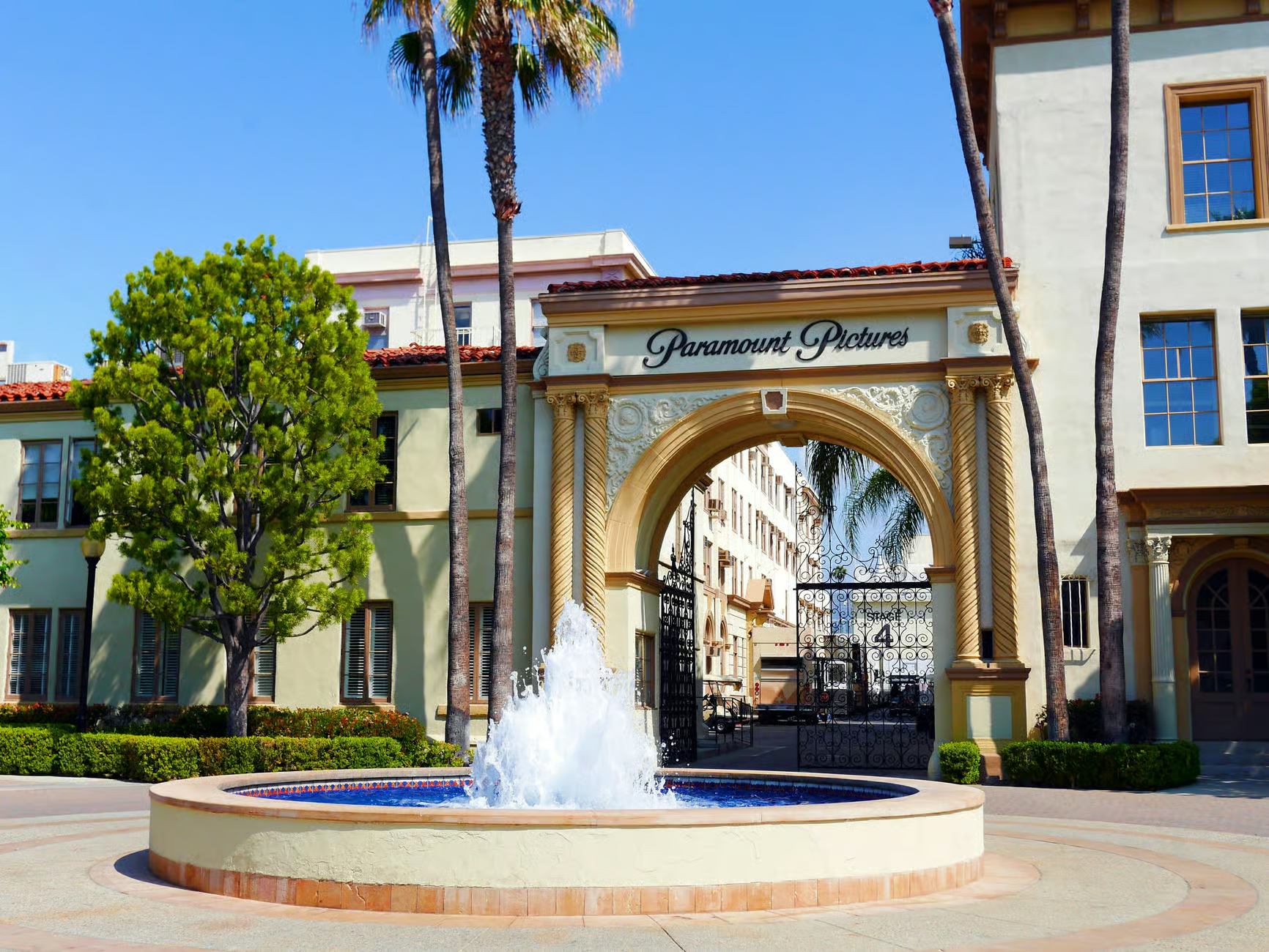
Paramount Skydance has reached a settlement with California and 11 other U.S. states that sued to block its proposed $110 billion acquisition of Warner Bros. Discovery, removing a major legal obstacle to the media combination while a separate challenge from the Writers Guild of America remains outstanding.
The states filed their antitrust case in July in the U.S. District Court for the Northern District of California.Paramount Skydance $110bn Deal Under California Review Bonta led the 12-state coalition, which alleged that combining Paramount and Warner Bros. would substantially lessen competition in theatrical film distribution, anticipated blockbuster films and the licensing of basic cable channels. The complaint relies on Section 7 of the Clayton Act. Paramount has denied that the transaction is anticompetitive.
The case, State of California et al. v. Paramount Skydance Corp. et al., No. 4:26-cv-07116-AMO, is before U.S. District Judge Araceli Martínez-Olguín. The court granted a temporary restraining order in July, after which Paramount and Warner Bros. agreed not to complete the merger until five days after a ruling on the states’ claims or 1 June 2027, whichever came first.
The settlement is subject to court approval. Reuters reported that its terms include measures intended to address concerns about film production and media concentration, including independent editorial boards for CNN and CBS and a commitment to release at least 30 theatrical films annually. Paramount could face a $30 million penalty for each film by which it falls short of that commitment.
Paramount has also agreed to substantial production spending in California. The Los Angeles Times reported that the company committed to spend about $1.5 billion on film production in the state over five years. The agreement reflects negotiations that had included proposed commitments concerning studio operations, theatrical output and editorial independence.
The settlement resolves allegations that the merger would combine two of Hollywood’s five major film distributors and two of the five largest owners of basic cable channels. California had argued that the combined business could control nearly one-third of U.S. theatrical motion pictures and a similar proportion of basic cable programming. Those assertions formed part of the states’ antitrust case and were disputed by Paramount.
The litigation also drew prominent outside counsel. California and the other states retained Milbank, with former U.S. antitrust official James Weingarten among the lawyers working on the challenge. Paramount’s defence team has included Jeffrey Kessler and former U.S. Solicitor General Paul Clement.
Before the settlement, Paramount said it had obtained regulatory clearances covering 69 jurisdictions and that the state litigation and the separate Writers Guild of America action were the remaining barriers to completion. The WGA litigation is not resolved by the states’ agreement. The unions allege that the merger could reduce competition for writers and suppress production and employment opportunities.
Delay has also carried financial consequences. Paramount’s merger agreement provides for additional consideration to Warner Bros. Discovery shareholders for each day after 30 September that the transaction remains uncompleted, subject to limits specified in the agreement.
The settlement does not amount to a judicial finding that the merger was lawful or unlawful. Instead, it resolves the states’ TransDigm Abandons $960m Stellant Deal | Lawyer Monthly through Sandoz $450M Antitrust Settlement — Lawyer Monthly. If approved by the court, it will remove the state attorneys general’s challenge while leaving the WGA proceedings as a separate legal issue for Paramount and Warner Bros. Discovery.