
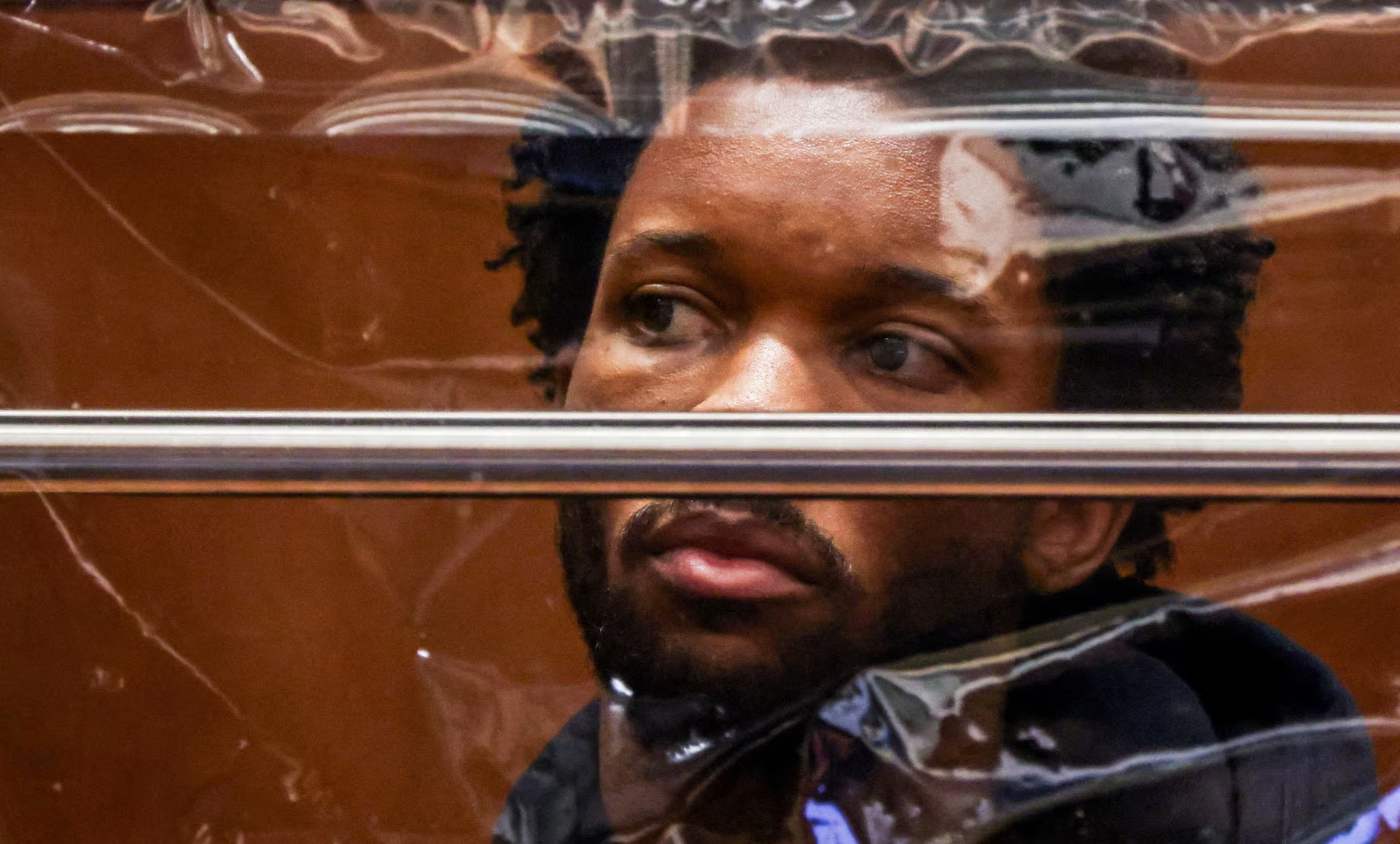
First-degree murder with special circumstances in California is one of the most serious charges in US criminal law and it is now at the centre of the D4vd murder case involving David Anthony Burke and 14-year-old Celeste Rivas Hernandez. Prosecutors allege the case involves aggravating factors, including that the victim was a minor and that the killing may have been intended to prevent disclosure of damaging information.
The short answer is that first-degree murder with special circumstances elevates a case into the highest tier of criminal liability. It allows prosecutors to pursue the most severe penalties available under California law, including life imprisonment without parole and, in some cases, the death penalty.
The designation depends not just on the act itself, but on specific aggravating factors that show intent, planning, or an attempt to interfere with justice.
In California, first-degree murder already requires proof of deliberate and premeditated killing. What turns it into a “special circumstances” case is the presence of additional legally defined factors. These can include killing a witness to prevent testimony, committing murder for financial gain, or targeting particularly vulnerable victims such as minors.
In this case, prosecutors have indicated that the allegations involve multiple such factors, including allegations that the killing was intended to prevent disclosure of damaging information and that the victim was underage.
That distinction matters because it fundamentally changes how the case is prosecuted. A standard murder charge focuses on proving intent and causation. A special circumstances case requires prosecutors to go further, demonstrating that the killing meets one of the statutory aggravators set out in California law.
This typically involves a combination of forensic evidence, digital records, and behavioural patterns that point to planning or motive beyond the act itself.
The additional charges reported in the case, including allegations relating to sexual conduct involving a minor and the mutilation of human remains, are not separate from this legal framework but instead reinforce it.
In practice, these types of allegations may be used by prosecutors to argue that the killing was intentional and that the statutory requirements for special circumstances are met, particularly where they indicate planning or efforts to conceal the crime.
From a sentencing perspective, this is where the legal exposure becomes significantly more severe. In California, a conviction for first-degree murder without special circumstances typically carries a sentence of 25 years to life.
Once special circumstances are established, the baseline shifts to either life without the possibility of parole or capital punishment, depending on prosecutorial decisions and the outcome of the trial.
The presence of multiple aggravating factors can also influence jury perception and sentencing outcomes, even where the death penalty is not ultimately pursued.
Another important aspect of cases like this is how early-stage filings, such as preliminary trial briefs, shape the legal narrative. These documents often present the prosecution’s theory of the case in its strongest form, outlining how the evidence is expected to support each element of the charge. However, they are not findings of fact.
Defence teams frequently challenge these filings as one-sided, arguing that they risk prejudicing potential jurors before evidence is tested in court. Judges must then balance transparency with the defendant’s right to a fair trial, particularly in high-profile cases.
More broadly, this case highlights how US criminal law treats situations involving alleged attempts to silence victims or destroy evidence. The legal system places particular weight on actions that undermine the justice process itself.
Allegations of witness intimidation, evidence destruction, or concealment are not treated as secondary issues; they are central to determining the seriousness of the offence and the appropriate punishment.
It also underscores how cases involving minors are treated with heightened severity. The law recognises the vulnerability of underage individuals, and where prosecutors can show that a defendant knowingly engaged in unlawful conduct involving a minor, it can significantly increase both criminal liability and sentencing risk. This is especially true when such conduct is linked to the events leading up to a homicide.
For readers trying to understand the legal significance of this case, the key point is that “special circumstances” is not simply a descriptive label. It is a legal threshold that transforms how a case is charged, argued, and ultimately decided.
It signals that prosecutors believe the evidence supports not just a killing, but a set of actions and motives that place the case in the most serious category of criminal law.
As the case progresses, the court will examine whether those allegations can be proven beyond reasonable doubt. Until then, the charges remain allegations, and the defendant is presumed innocent.
But from a legal standpoint, the inclusion of special circumstances already indicates the level of exposure involved and why this case is being treated as one of the most serious types of homicide prosecution under California law.