
In a city like Atlanta, where large commercial developments and multi-level parking structures are common, much of everyday driving takes place on private property. Parking garages, retail centers, and office complexes are part of routine travel, and collisions can occur in these areas.
When a collision happens on private property, the legal analysis can differ from what applies on public roads. Responsibility often involves more than driver conduct. Property conditions are also considered, with claims typically reviewed under both traffic law and premises liability principles.
Why Accidents on Private Property Are Legally Different
Public road accidents are governed mainly by traffic laws that regulate speed, right of way, and driver behavior. In many cases, fault depends on whether those rules were followed.
On private property, the scope of responsibility expands. Parking garages, shopping centers, and office complexes are usually owned or managed by private parties, so responsibility may extend beyond the drivers involved.
Under Georgia law, property owners and managers are generally required to exercise ordinary care in keeping their premises safe for lawful visitors. This includes ensuring proper lighting, clear signage, and addressing known hazards.
Therefore, liability is assessed based not only on driver behavior but also on the incident’s location, the property’s condition, and the actions of all parties involved.
Understanding Multi-Party Liability
In many private property cases, liability is not limited to a single party. Instead, fault may be shared between drivers and property owners, depending on what contributed to the incident.
- Driver: Can be deemed responsible if their actions directly contributed to the collision, such as failing to maintain awareness, misjudging space, or making unsafe movements in confined areas.
- Property Owner/Manager: May be held liable if conditions on the property contributed to the incident, such as obstructed sightlines or poorly organized layouts that affect how vehicles move through the space.
Because these factors can overlap, liability is often determined based on the specific facts of the case. The outcome depends on the available evidence and the conditions present at the time of the incident.
In these situations, consulting a car accident lawyer in Atlanta may help clarify whether liability lies with a property owner, driver, or both.
Typical Accident Scenarios in Parking and Private Lots
While the setting differs from public roads, certain types of incidents appear regularly in parking structures and private lots.
1. Backing-out collisions
These occur when drivers reverse out of parking spaces at the same time or into an active lane. Fault may depend on vehicle position, visibility, and right-of-way considerations.
2. Low-speed vehicle collisions
These include contact during turns, merging within internal lanes, or entering and exiting the property. Liability may turn on whether drivers followed posted markings or internal traffic flow.
3. Pedestrian-related incidents
These involve vehicles and individuals walking through the area. Legal questions often focus on driver awareness and whether the property provided reasonably clear and safe pedestrian paths.
4. Door-related incidents (“door dings”)
These occur when a parked driver opens a door into a passing vehicle. Responsibility may depend on timing and whether there was enough space to avoid contact.
5. Hit-and-run incidents
These arise when a driver leaves without providing identification or insurance information. Establishing fault may rely on surveillance footage or witness accounts.
In these cases, fault often depends on positioning, movement, and the immediate conditions at the scene.
The Role of Evidence in Private Property Accident Claims
Evidence helps establish what happened and who may be responsible. In private property cases, what is available often depends on the type of property and how it is managed.
- Surveillance footage: Common in parking garages and retail properties. It can show vehicle movement, timing, and points of impact.
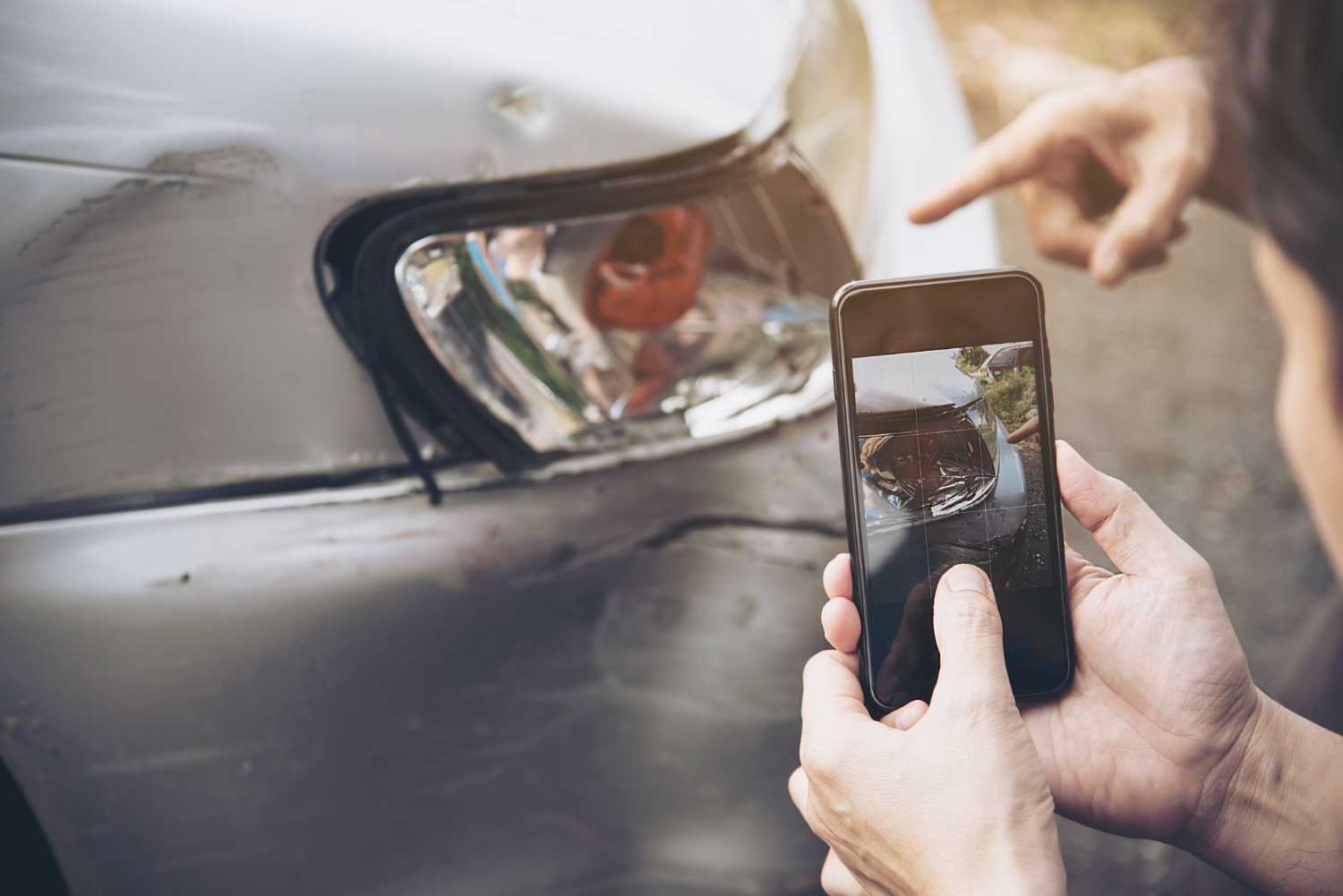
- Photographs: Can capture vehicle positions, damage, signage, lighting, and obstructions. These details help document the conditions at the scene.
- Incident reports: May be prepared by property staff or security. These typically record the time, location, and initial accounts of the event.
- Witness statements: Can provide independent accounts, especially in busier areas.
Records are not always retained for long. Video may be overwritten after a set period, and conditions can change once vehicles are moved or hazards are addressed. The timing of evidence collection can affect how clearly an incident can be reviewed.
Insurance and Liability Considerations in Atlanta
Georgia follows a modified comparative negligence rule under O.C.G.A. § 51-12-33. Fault can be divided between parties, and a person may recover damages only if they are less than 50% at fault. Any recovery is reduced based on their share of responsibility.
Auto insurance is usually the starting point in these cases. A driver’s policy may cover vehicle damage and, depending on coverage, liability for injuries. Common types include liability, collision, and uninsured motorist coverage.
If the condition of the property contributed to the accident, a property owner’s liability insurance may also apply. This can arise in commercial parking structures, retail centers, and other managed properties.
As a result, more than one insurance policy may be involved. Responsibility is then divided between drivers and property owners based on the facts of the case.
Conclusion
Private property accidents in Atlanta require careful evaluation of both driver behavior and the condition of the premises. Liability may involve more than one party, and the outcome depends on the evidence available and the specific circumstances of the incident.
When a fault is disputed, legal guidance can help clarify how responsibility is assigned under Georgia law.