
People already know reality television edits people, manipulates tension and cuts hours of footage into whatever storyline producers think audiences will react to most strongly. None of that feels new anymore. The uncomfortable part is how recognisable this now feels outside television too.
A lot of people already live with the feeling that one awkward interaction, one badly timed joke or one clipped-out moment could become the version of themselves everybody else decides is real. Not through producers necessarily. Through phones, screenshots, TikTok clips, workplace chats and comment sections that spread faster than explanations ever do.
People rehearse messages before sending them now. They overthink tone in ordinary conversations. Some quietly check whether people are talking about them online before replying to friends. Others delete posts minutes after uploading them because they suddenly panic about how they sound. Written down like this it sounds paranoid, but most people instantly recognise the behaviour because they already know somebody living exactly like that.
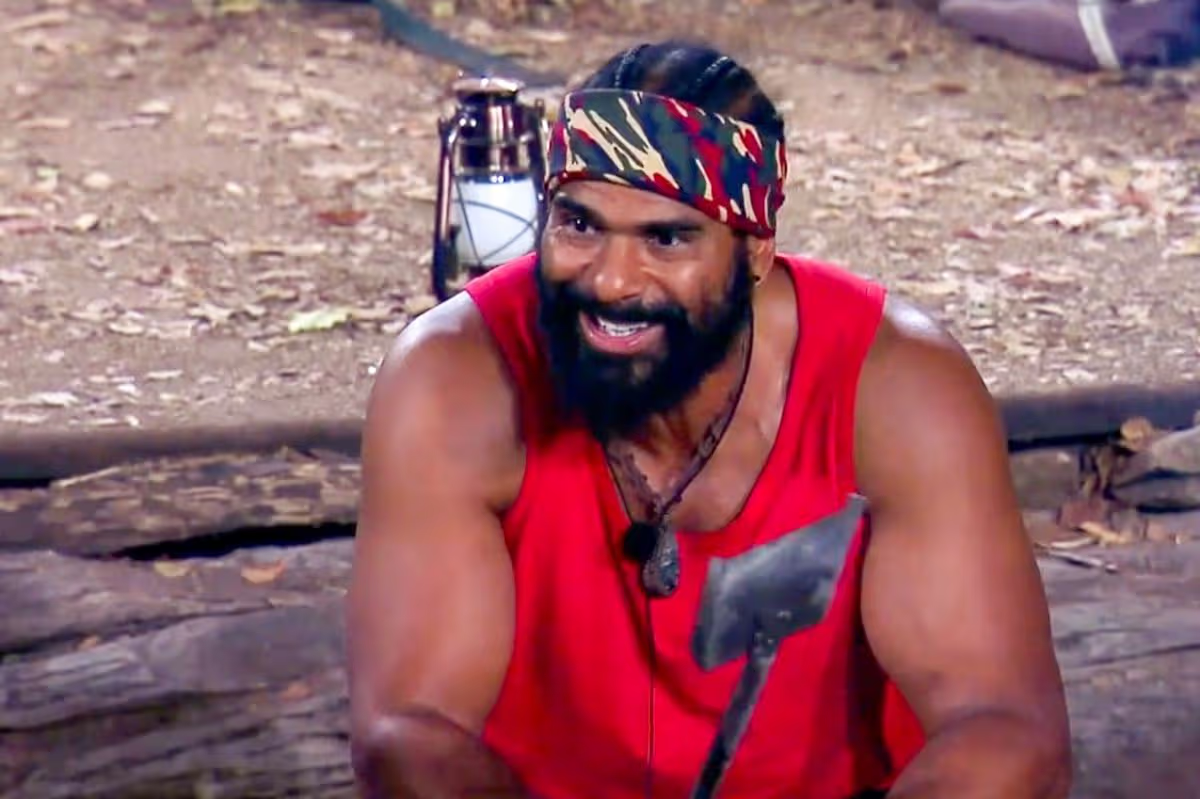
Which is partly why David Haye threatening legal action against ITV over I’m a Celebrity: South Africa feels bigger than another celebrity dispute.
The legal fight is only part of why this story is landing so hard. What people are really reacting to is something much uglier and more familiar: what happens when the public locks onto the worst version of you and refuses to let go?
Haye claims the programme was manipulated and heavily directed to damage his image after controversial moments aired during the series. He says unseen footage and production context would change how viewers interpreted what happened on screen and has warned ITV he plans to sue for far more than the reported £10 million figure.
But people are not reading stories like this because they suddenly care about defamation law. A lot of them already feel worn down by the feeling that strangers are constantly watching, reacting and forming opinions online. Reality television just makes the feeling louder and harder to ignore.
One bad clip can follow somebody around for years online, not because it is fair or accurate but because humiliating moments spread faster than context ever does. A facial expression, an awkward pause or one uncomfortable sentence can travel across the internet before explanations even catch up. Once strangers emotionally decide who somebody is, arguing back often makes things worse. Online audiences do not always reward clarification. Sometimes they reward humiliation because humiliation is easier to consume.
That is why viewers no longer really watch reality television passively. They pick contestants apart. Turn them into memes. Reduce entire people into one personality trait or one ugly moment. A strange interaction on a reality show now escapes into TikTok, YouTube and Instagram within minutes, where millions of strangers begin talking about somebody as though they know them personally.
And honestly, reality TV no longer feels that separate from normal life.
Some people now spend more energy managing how they appear online than speaking honestly in real conversations. Entire careers depend on staying visible. Teenagers grow up performing versions of themselves before they fully know who they are yet. People livestream arguments, cry publicly on podcasts and confess humiliating personal details because attention itself now has value.
Years ago fame mostly arrived after achievement. Now being seen is part of the business model, and that changes people.
Legally, though, the challenge facing Haye is difficult. Under the Defamation Act 2013, somebody generally needs to show that false statements caused serious harm to their reputation. Feeling embarrassed or unfairly portrayed is not automatically enough, particularly in reality television where viewers already understand footage is selectively edited and producers are constructing narratives rather than broadcasting untouched reality.
Contestants also typically sign contracts giving production companies broad editorial control over how footage is used and presented. On paper that sounds straightforward. In reality, though, it exposes how much control people hand over in exchange for attention without fully understanding the psychological cost until afterwards.
One documentary can now damage somebody’s reputation before they even realise public opinion has shifted against them. And the frightening part is how quickly audiences form emotional conclusions online now. People decide who looks fake, manipulative, arrogant or guilty almost instantly, then move on before facts are fully settled while the emotional stain remains attached to the person anyway.
That residue follows people offline too. Into jobs, relationships, dating, friendships and ordinary conversations. People carry internet versions of themselves into real rooms now.
Which is why this story travels beyond celebrity coverage. Readers are not just reacting to David Haye or ITV. They are reacting to the growing feeling that people no longer fully control how the internet sees them once something escapes online.
People now overthink everything — messages, jokes, tone, facial expressions — because they have seen how quickly one bad moment can escape online and spread far beyond the original context.
Sometimes modern life feels less like people speaking naturally and more like everybody trying to survive permanent public evaluation.
And maybe that is the real reason stories about reality TV editing keep gripping audiences. More and more, reality television just looks like the internet with better cameras.