
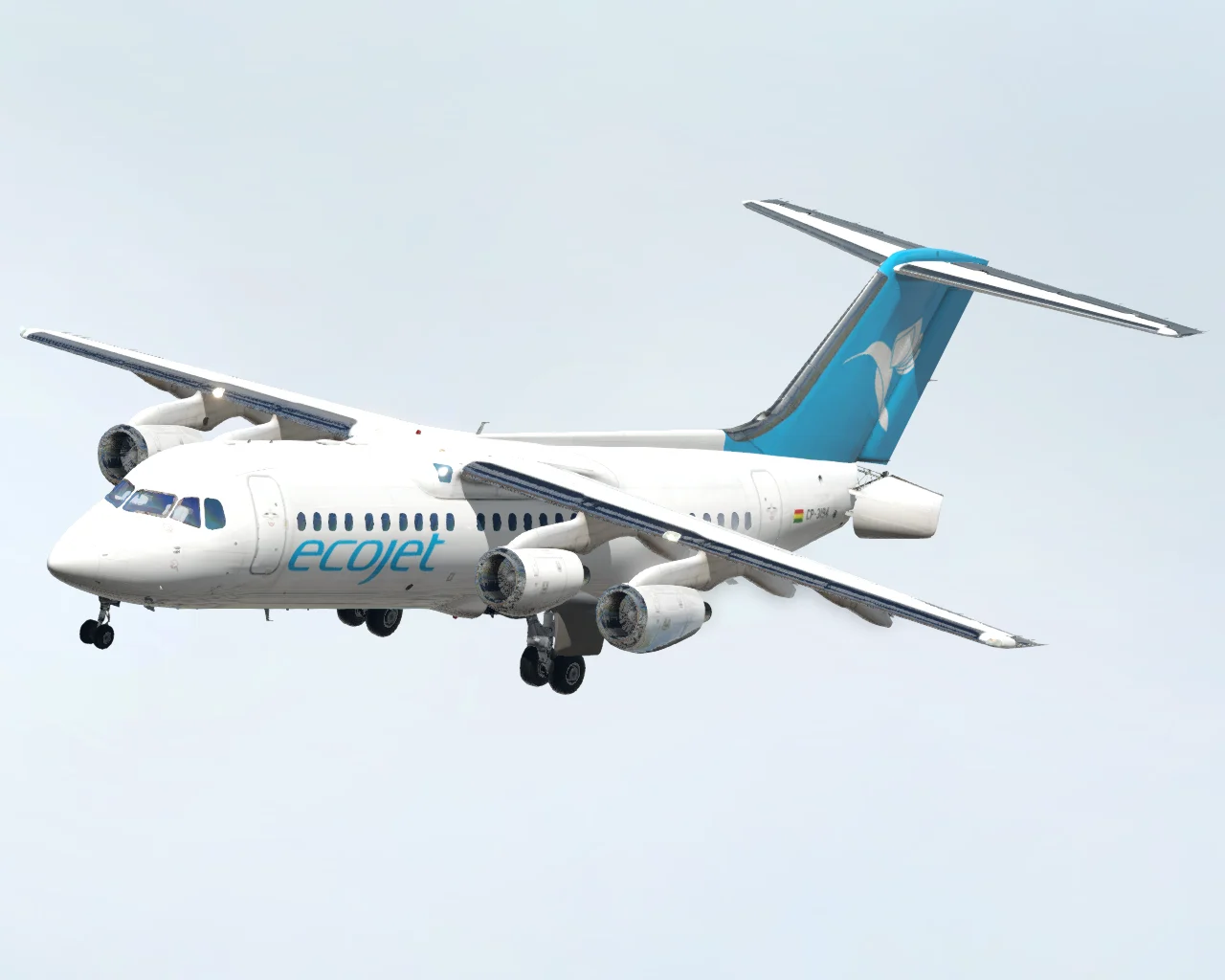
EcoJet collapsed before launching a single commercial flight, but the liquidation of the UK green aviation start-up may reveal a much bigger problem facing the industry: regulation and certification processes are not moving as quickly as the technology behind next-generation aircraft.
The Edinburgh-based company, founded by Dale Vince, ceased operations after joint liquidators from Opus Restructuring were formally appointed following earlier interim appointments.
EcoJet had planned routes from Edinburgh to Southampton alongside future European services, positioning itself around hydrogen-electric aviation and lower-emission air travel.
A notice published in The Gazette confirmed the appointment of Paul Dounis and Mark Harper as joint liquidators. Opus Restructuring said EcoJet was a start-up business with “no material assets” and stated that members had agreed to fund the liquidation process to ensure employees received their statutory entitlements.
In aviation insolvencies, liquidation can create wider operational and contractual issues beyond the failed airline itself. Aircraft leasing arrangements, airport agreements, fuel supply contracts, employee claims, and regulatory approvals can all become entangled in the winding-up process, particularly where a carrier has limited assets or has not yet entered full commercial operation.
At first glance, the collapse appears relatively small because EcoJet had not yet become a major operational airline. The wider significance, however, is that the business had positioned itself around the future development of hydrogen-electric aviation and lower-emission aircraft technology.
Earlier this year, Vince said work on the project was being paused because “the technology and regulatory pieces of the puzzle” were taking longer than expected to align. That comment reflects a broader challenge facing many climate-focused transport ventures operating within heavily regulated industries.
In sectors such as aviation, technological development alone is not enough to bring projects into commercial operation. Airlines and aircraft operators also face certification requirements, safety approvals, infrastructure demands, operational compliance obligations, and environmental regulation before services can scale commercially.
That creates a significant commercial risk for early-stage transport ventures built around emerging environmental technologies. Funding timelines, investor expectations, infrastructure readiness, and regulatory approval processes do not always progress at the same speed.
EcoJet had previously promoted plans to retrofit conventional aircraft with hydrogen-electric powertrains as part of a wider net-zero aviation strategy. Ecotricity described the concept as part of an effort to create emission-free air travel while reducing carbon impact by repurposing existing aircraft rather than manufacturing entirely new fleets.
The liquidation does not establish that hydrogen-electric aviation is commercially unworkable. However, it does highlight the difficulty of developing aviation businesses that depend on technological progress, infrastructure readiness, and regulatory approval advancing together.
The timing also comes amid broader financial pressure within the aviation industry. Separately, US carrier Spirit Airlines recently announced an operational wind-down after more than three decades in business, cancelling flights and ending customer service operations.
The circumstances surrounding Spirit are different from EcoJet’s position, but both cases illustrate the financial pressures facing airlines during a period of rising operational costs, fuel uncertainty, and industry transition.
For the wider market, EcoJet’s collapse may ultimately be viewed less as an isolated airline insolvency and more as an example of the commercial and regulatory difficulties facing transport businesses attempting to bring next-generation environmental technologies into operation.