
Skip to contentpushpin
Featured

US Charges Raúl Castro With Murder Over 1996 Aircraft Shootdown
Susan Stein 2 min read
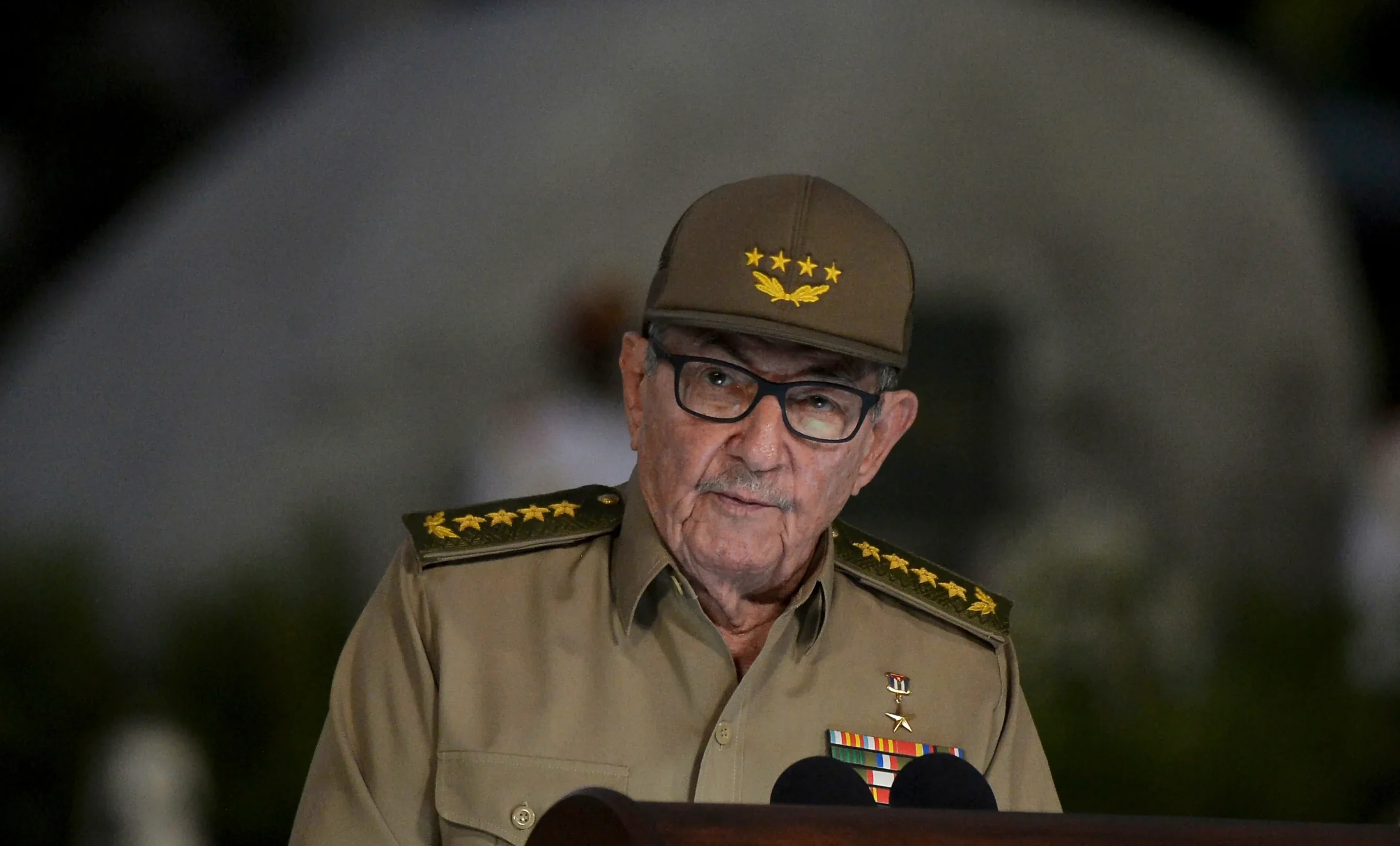
The United States has charged former Cuban president Raúl Castro with murder over the 1996 shootdown of two civilian aircraft that killed four men aboard planes operated by the exile group Brothers to the Rescue, reviving one of the Cold War’s longest-running disputes as a modern international criminal prosecution.

US prosecutors accuse Castro of conspiracy to kill US nationals, destruction of aircraft and multiple counts of murder linked to the attack. The victims were Armando Alejandre Jr., Carlos Costa, Mario de la Peña and Pablo Morales.

The allegations stem from the February 1996 destruction of two civilian aircraft after repeated confrontations between Havana and the Miami-based organisation. Cuba had long accused the group of violating its airspace and carrying out political provocations over the island, while US officials treated the strike as an unlawful attack on civilians.

A United Nations aviation investigation later concluded the aircraft were shot down in international airspace. The International Civil Aviation Organization subsequently found Cuba had violated international law over the incident, a finding that continues to shape the legal basis surrounding the case nearly three decades later.

American courts have historically approached cases involving former foreign leaders, military operations and state decision-making cautiously. Prosecutors are now attempting to attach personal criminal liability to actions tied to a sovereign government almost 30 years after the incident itself.

The indictment arrives during another deterioration in relations between Washington and Havana. China condemned the charges on Thursday, accusing the United States of using its legal system to pressure Cuba politically.

Cross-border prosecutions involving foreign officials have expanded in recent years through sanctions enforcement, terrorism investigations, cybercrime cases and corruption probes. The Castro indictment extends that pattern into one of the most politically sensitive disputes left over from the post-Cold War period.

The indictment may also renew attention on how civilian aircraft incidents involving state actors are handled when prosecutors allege US nationals were killed. Even without an extradition process or courtroom appearance, criminal charges can complicate diplomatic negotiations, sanctions discussions, financial restrictions and international travel connected to former state figures.

It remains unclear whether Castro would ever face a US courtroom following the charges. The decision to pursue murder allegations almost three decades later shows how unresolved geopolitical conflicts are increasingly being revisited through individual criminal liability rather than state-to-state diplomacy alone.

About Lawyer Monthly

Legal Intelligence. Trusted Insight. Since 2010
Work With Us

Follow Lawyer Monthly