
The Supreme Court of the United States has ruled that companies can be sued under the Helms-Burton Act for using property confiscated by the Cuban government, even where the original property rights expired decades ago.
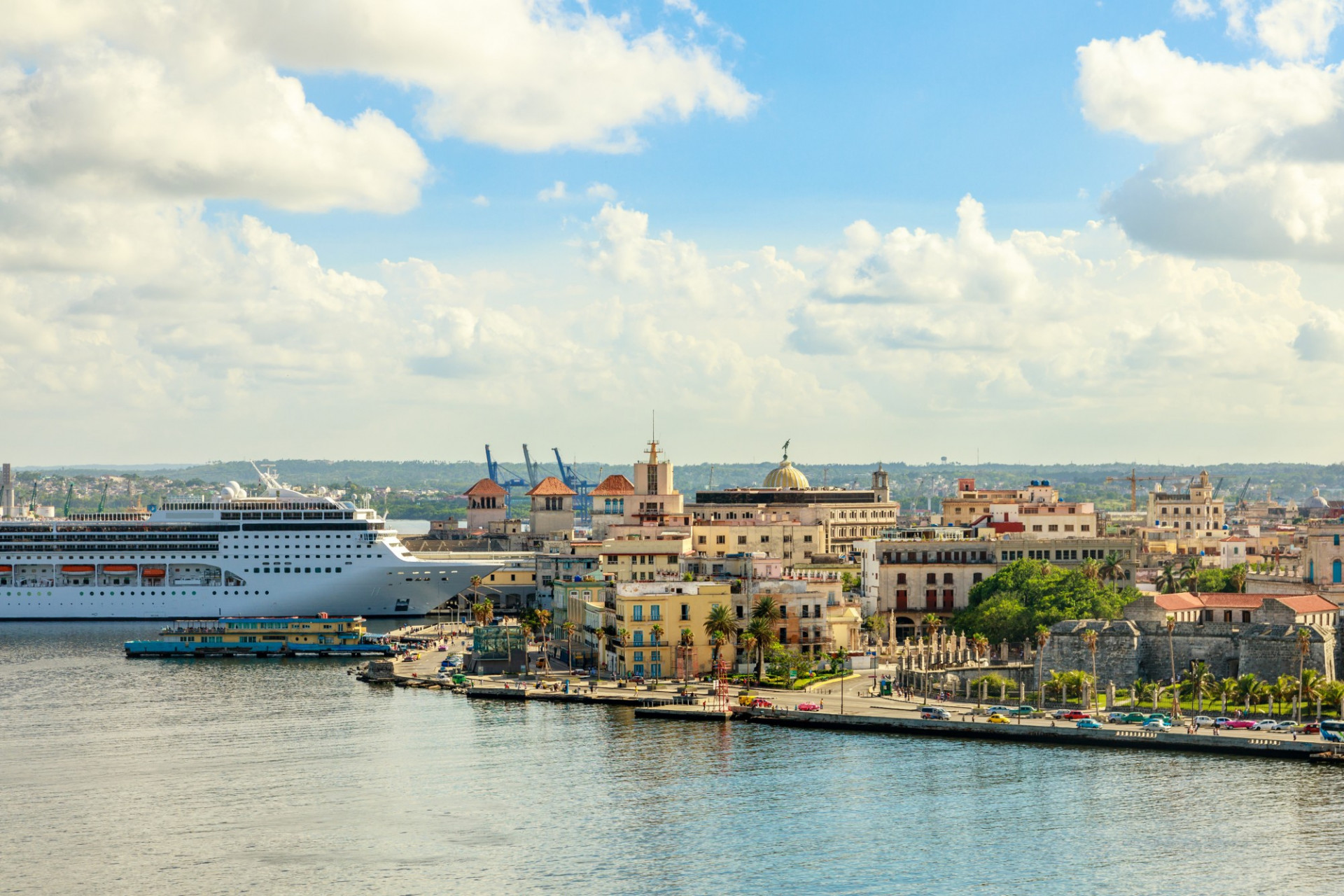
The decision revives claims brought by Havana Docks Corporation against Royal Caribbean Cruises Ltd., Carnival Corporation, Norwegian Cruise Line Holdings, and MSC Cruises after the operators used Havana port docks seized by Cuba in 1960.
At the center of the case was a question that has followed Title III litigation since the Trump administration activated the law in 2019: can a business face liability simply for commercially using confiscated Cuban assets? The Court said yes.
Justice Clarence Thomas wrote that the cruise operators could still face claims because the docks themselves remained confiscated property under the statute, regardless of whether Havana Docks’ original concession rights had already expired.
Supreme Court Rejects Narrow Reading of Helms-Burton Liability
Havana Docks Corporation operated docks at the Port of Havana under a long-term concession granted by the Cuban government in 1928. After Fidel Castro took power, Cuban authorities seized the docks and Havana Docks’ related property interests in 1960 without compensation.
The company later secured a certified claim through the Foreign Claims Settlement Commission worth roughly $9 million plus interest.
More than half a century later, the dispute returned through Cuba’s reopening to cruise tourism. Between 2016 and 2019, the cruise operators transported nearly one million passengers through those same dock facilities before Havana Docks sued under Title III of the Helms-Burton Act after the Trump administration activated the private right of action for the first time.
A federal district court awarded Havana Docks more than $100 million against each cruise operator. The Eleventh Circuit later reversed that ruling, finding that the company’s original concession rights would have expired before the cruises took place.
Writing for the majority, Justice Clarence Thomas rejected that approach. The Court held that the case did not turn on whether Havana Docks still possessed an active concession decades later. What mattered was the continued commercial use of property that had previously been confiscated by the Cuban government.
The Court drew a distinction between the original concession and the docks themselves. Although Havana Docks’ operating rights expired in 2004, the majority said businesses could still face liability for commercially using the physical docks because the property remained tied to a certified confiscation claim.
Risk Emergence
Corporate exposure begins once a business commercially uses Cuban-linked property connected to a certified confiscation claim, even where the original concession or operating right expired decades earlier. The Court’s reasoning converts Title III from a narrow historical remedy into a modern compliance issue affecting operators, carriers, infrastructure users, hospitality groups, and multinational investors engaging with Cuban assets.
Corporate Exposure Under Title III
The Supreme Court’s reasoning is unlikely to stay confined to cruise operators or Cuban tourism.
In the majority opinion, confiscated property was described as effectively “tainted,” with liability potentially attaching to businesses that continue commercially using those assets.
That framing may draw closer scrutiny to Cuba-linked projects involving ports, hotels, logistics infrastructure, retail developments, and long-running joint ventures tied to property seized after the Cuban Revolution.
For multinational companies, the decision creates a more difficult due diligence environment. Legal teams examining Cuba-related operations may now need to look beyond ownership structures and assess whether ongoing commercial activity itself could trigger exposure under Title III.
The statute allows U.S. nationals to sue entities that “traffic” in confiscated property, including through commercial use or financial benefit derived from those assets without authorization from the claim holder. The majority said Congress intended the law to deter companies from economically benefiting from confiscated property connected to the Cuban government.
The Court also rejected the Eleventh Circuit’s earlier approach, which focused on whether Havana Docks’ original property rights would still have existed had the confiscation never occurred.
Justice Elena Kagan disagreed with the majority’s interpretation, arguing that Havana Docks never owned the docks themselves and held only a concession that expired in 2004. Under her reading, the cruise operators could not have trafficked in a property interest that no longer existed by the time the voyages took place.
Justice Sonia Sotomayor separately warned about the possibility of repeated or excessive damages claims if multiple businesses can be sued over continued use of the same confiscated property.
Exposure Escalation
The liability risk grows because the judgment lowers the threshold for proving trafficking under Title III. Businesses may no longer rely solely on arguments that an original concession, lease, or operating right expired naturally. If the physical property remains commercially active, claimants may still pursue substantial damages tied to historical confiscations.
The Risk for Multinational Businesses
Companies doing business around Cuban-linked assets may now face a wider range of claims under Title III, even where they do not own the disputed property itself. After the Supreme Court’s ruling, commercial use alone may be enough to draw companies into litigation tied to confiscated assets.
That risk reaches far beyond the cruise industry. Port operators, tourism groups, hotel businesses, logistics companies, infrastructure partners, and multinational investors connected to Cuban projects may now face closer scrutiny over whether revenue-generating activity involves property tied to unresolved U.S. confiscation claims.
Revenue-generating activity tied to unresolved confiscation claims may now attract far closer scrutiny from claimants, lenders, insurers, and investors. For some businesses, the issue could move rapidly from a political or sanctions concern into active litigation exposure.
The ruling may also force companies to revisit Cuba strategies developed during the Obama-era normalization period, particularly where businesses relied on guidance suggesting certain travel-related activity was permitted. Justice Sonia Sotomayor noted that the cruise operators may still argue on remand that their conduct fell within statutory exceptions for lawful travel-related activity.
The case now returns to the Eleventh Circuit, where several unresolved defenses remain open, including arguments tied to lawful travel exceptions and constitutional objections surrounding damages exposure.
The ruling may encourage additional Title III claims involving Cuban assets that remain in commercial use. The majority’s reasoning suggests that companies can still face liability decades after the original confiscation where the disputed property continues generating commercial activity.