
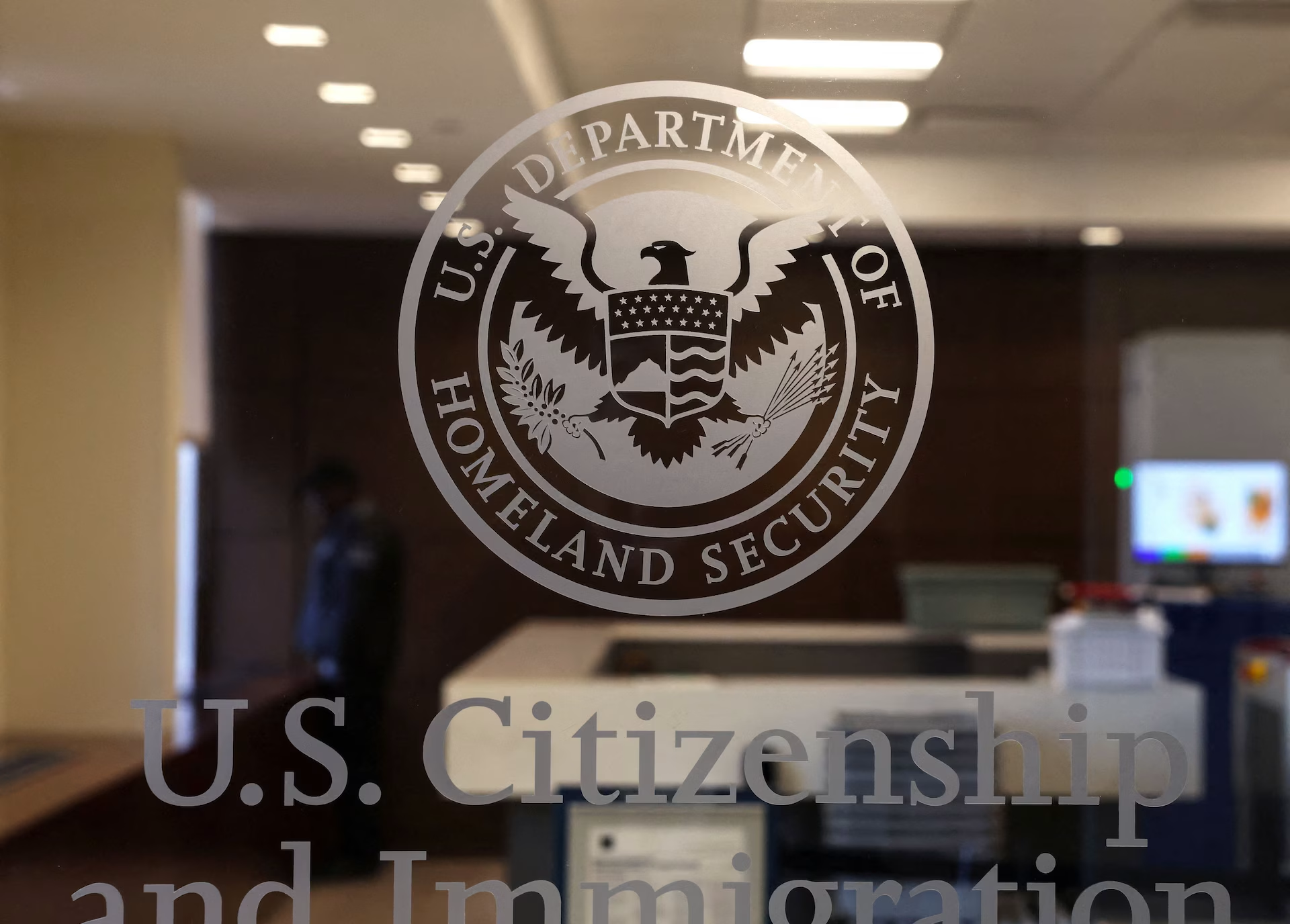
The Trump administration says some immigrants seeking Green Cards may need to leave the United States and apply from abroad under new U.S. Citizenship and Immigration Services guidance limiting adjustment of status to “extraordinary circumstances.”
The policy memo released Friday indicates that immigrants already living in the U.S. could be directed to complete the residency process through overseas consular offices run by the U.S. Department of State. Temporary workers, students, parents of U.S. citizens and other applicants who have traditionally remained in the country during the process could be affected.
USCIS spokesman Zach Kahler said the administration is restoring what it views as the original structure of immigration law, arguing temporary visas were never intended to become a routine pathway to permanent residency.
The guidance immediately drew concern from immigration attorneys because adjustment of status has long allowed eligible applicants to remain with their families while residency applications are processed.
For decades, immigration lawyers have used adjustment-of-status provisions under the Immigration and Nationality Act to help qualifying applicants obtain lawful permanent residency without leaving the country.
Under the new memo, USCIS officers are instructed to treat adjustment of status as discretionary relief rather than a standard immigration pathway. The agency says applicants should generally pursue immigrant visas abroad through consular processing.
For some applicants, departing the United States can create serious legal risk depending on prior immigration history, unlawful presence issues or past visa violations. Immigration lawyers often warn clients to seek legal advice before leaving the country because reentry problems can arise once a person departs.
Longer processing delays and family separation concerns are also likely to become central issues if larger numbers of applicants are routed through overseas consular systems instead of domestic processing.
Immigration organizations are expected to challenge the policy in court. Opponents are likely to argue the administration is narrowing access to adjustment of status through agency guidance rather than through Congress, while supporters of the change say adjustment of status has always been discretionary under federal immigration law.
The policy could also create uncertainty for employers, universities and multinational companies that rely on visa holders already living and working in the United States. Some employment-based applicants who expected to complete the residency process domestically may now face additional travel requirements, higher legal costs and longer timelines.
USCIS says the policy will allow the agency to shift more resources toward naturalization cases, humanitarian visa programs and applications involving victims of violent crime and human trafficking. Immigration lawyers warn some families could face a more difficult path to permanent residency under the policy.