
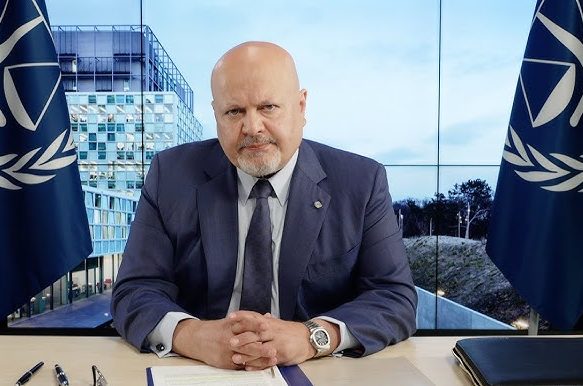
The Bar Standards Board’s interim suspension of Karim Khan follows the International Criminal Court’s own suspension of its chief prosecutor and places an international misconduct dispute inside the domestic regulatory system for barristers in England and Wales.
The sequence is significant because Khan remains a barrister called to the Bar in 1992, while the ICC process concerning allegations of sexual misconduct remains unresolved. Khan denies all allegations.
The BSB says Khan has been suspended from practice by the chair of its Independent Decision-Making Body, with the suspension effective from 19 June 2026. The order means he cannot practise as a barrister in England and Wales while the interim regulatory process continues.
Under the BSB’s enforcement framework, the interim measure must be considered by an Interim Suspension Panel at a hearing within four weeks.
The International Criminal Court, the Bureau of the Assembly of States Parties and the Assembly of States Parties are now positioned around separate but connected decisions. The Bureau suspended Khan from his ICC role on 8 June and said that step did not determine the final outcome.
The United Nations Office of Internal Oversight Services carried out the underlying investigation, while an ad hoc panel of judicial experts assessed the material before the Bureau reached its decision. Carter-Ruck and Bindmans, acting for Khan, have said he denies wrongdoing and is challenging the Bureau’s decision.
The case also carries institutional weight because of the prosecutions and applications associated with Khan’s office. The ICC prosecutor’s office has pursued high-profile matters involving Vladimir Putin over Ukraine and later Benjamin Netanyahu and Yoav Gallant over alleged war crimes and crimes against humanity in Gaza.
The United States, which is not a member of the ICC, has imposed sanctions connected with the court’s work, adding a further pressure point for the Hague-based institution and its legal officers.
For barristers, solicitors and in-house counsel, the practical consequence is immediate: overseas tribunal action, internal workplace allegations and domestic regulatory status cannot be treated as separate files where a practitioner remains authorised in England and Wales.
Chambers, instructing solicitors and public-sector clients need live checks on practising status, conflict exposure, client notification duties and the wording used when describing interim steps that remain contested and not finally proved.
The next professional checkpoint sits with the BSB’s Interim Suspension Panel, while the Assembly of States Parties faces the separate question of whether Karim Khan can return to the International Criminal Court prosecutor’s office after its July session.