
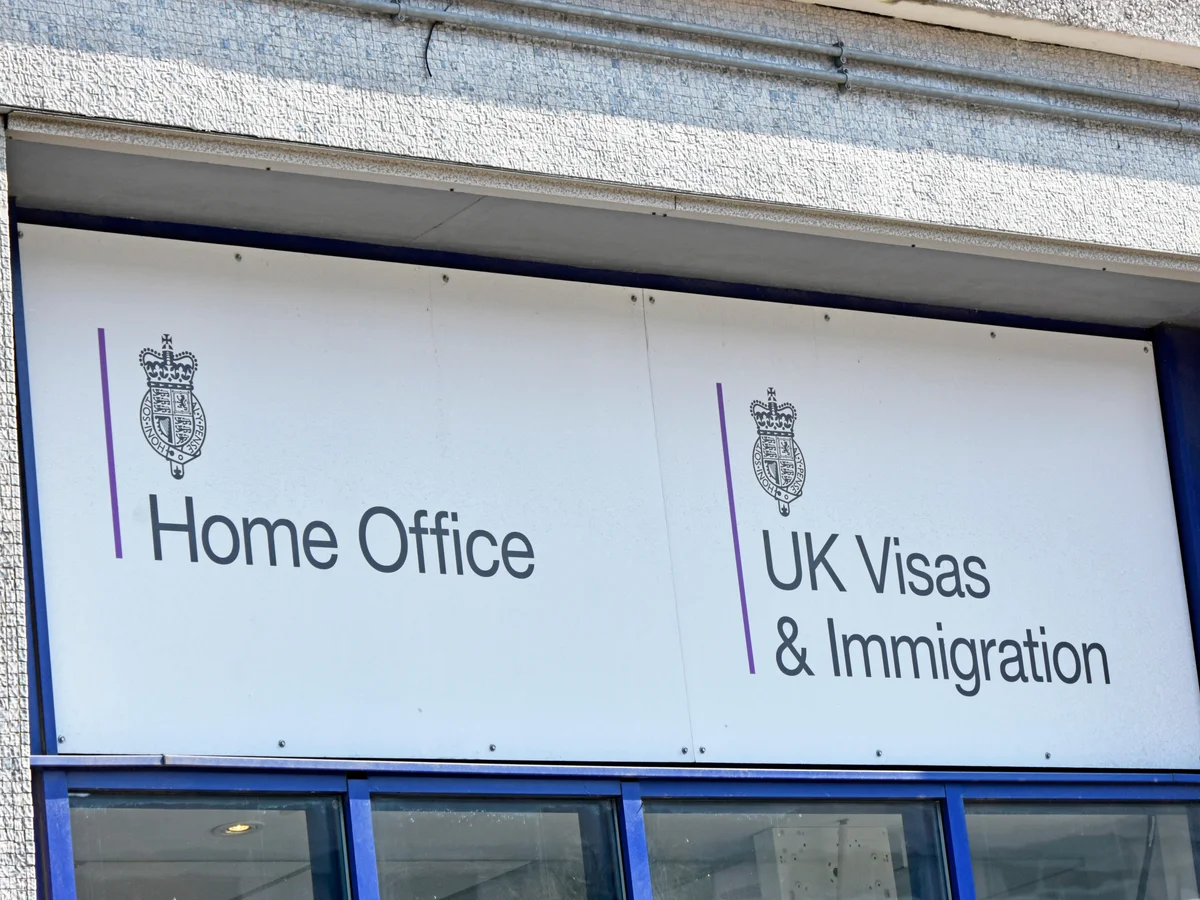
The Home Office’s plan to overhaul asylum appeals has reached Parliament with its highest-stakes reform yet to immigration adjudication. The Immigration and Asylum Bill, published today, follows sustained pressure over a tribunal backlog the department says can no longer be managed within the existing system, and it sets up a contested committee stage in the House of Lords as the legislation proceeds.
The bill establishes the Independent Immigration Appeals Authority, a body staffed by members of the public trained to determine appeals involving human rights claims and foreign offenders.
Home Office figures confirm the backlog in the First-Tier Immigration and Asylum Chamber currently exceeds 151,767 cases, with average appeal resolution times running to 61 weeks, and the department says judicial sitting days are being increased alongside the new authority’s introduction.
The legislation places the Home Office at the centre of a structural shift in how asylum and human rights appeals are decided, moving a portion of casework away from judicial office holders and toward a newly constituted lay adjudicator body.
The Bill’s passage through the Lords will determine the qualification, vetting and training framework that governs who can sit as an adjudicator under the new system — provisions that will shape how appeals are conducted and contested for years to come.
Solicitors and barristers practising in immigration and asylum law should track the statutory criteria for IIAA adjudicators once published, since these will define the grounds available for procedural fairness challenges when the authority begins hearing appeals late next year.
The reform builds on plans first announced last summer under former Home Secretary Yvette Cooper, and counsel should also watch how sitting days in the First-Tier Tribunal are allocated against the new authority once both systems run in parallel.
The Bill’s progress through the Lords is not assured. Committee stage will test the adjudicator vetting and training framework set out in the legislation, and the Home Office faces continued scrutiny over whether the Independent Immigration Appeals Authority can clear the existing backlog without compromising the independence the government says it is designed to guarantee.