
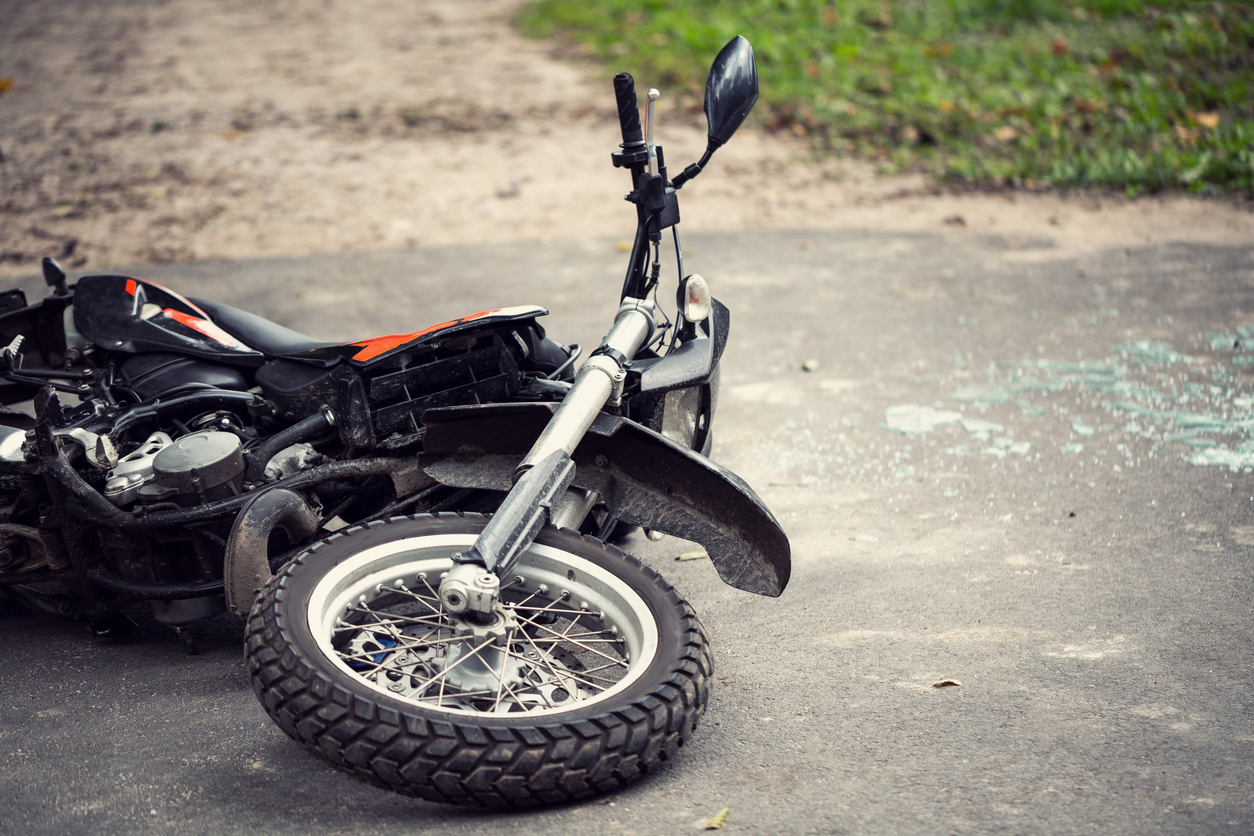
A motorcycle crash can turn an ordinary trip across Tampa into a very different kind of day.
Traffic slows near an interchange. A driver moves across a lane after a quick mirror check. The rider has nowhere useful to go. By the time everyone is standing on the shoulder, the conversation already sounds familiar: exchange insurance information, take pictures, get the bike towed.
Then someone says, “At least Florida has PIP.”
For a motorcyclist, that is where ordinary car-accident advice can become misleading.
Florida treats motorcycles differently in several important ways. Insurance does not work exactly as it does for someone sitting inside a passenger car, and the physical evidence after a motorcycle collision can disappear remarkably quickly. For a rider dealing with injuries, a damaged bike, and an insurer asking questions, knowing those differences matters more than memorizing a long list of legal rules.
The Insurance Conversation Is Different for a Rider
Florida drivers are used to hearing about Personal Injury Protection, usually shortened to PIP. For cars and many other four-wheel vehicles, PIP is part of the state’s familiar no-fault insurance system.
A rider should not assume that setup follows them onto a motorcycle.
The Florida Department of Highway Safety and Motor Vehicles specifically notes that PIP coverage under a personal passenger-vehicle policy is not sufficient coverage for the operator or passenger of a motorcycle.
That can come as an unpleasant surprise to someone who has paid for car insurance for years and assumes those medical benefits will work exactly the same way after a motorcycle wreck.
It is also why the first insurance questions after a crash tend to be practical ones. What motorcycle coverage exists? What insurance does the other driver have? Was another vehicle responsible for the collision? Are there medical-payment benefits or other applicable policies?
A Tampa motorcycle accident lawyer may start with those questions rather than treating the accident as if it were simply a car claim involving a smaller vehicle. The linked Tampa practice page likewise discusses insurance, evidence, road hazards, driver conduct, and medical documentation as issues that can become relevant after a motorcycle collision.
For an injured rider, the important part is not learning insurance terminology overnight. It is avoiding the assumption that the policy covering the family car automatically answers the motorcycle question too.
What Happened to the Bike Can Matter as Much as What You Remember
A motorcycle accident scene rarely stays intact for long.
Picture a crash near Dale Mabry Highway late in the afternoon. The motorcycle slides. Pieces of plastic and metal end up across the road. Police arrive, traffic is directed around the scene, and eventually a tow truck takes the bike away.
By the next day, the road looks ordinary again.
That makes the motorcycle itself worth preserving, particularly when there is disagreement about how the impact happened. Damage to one side of the bike, a broken light, bent components, scraped riding gear, or the condition of a helmet may tell part of the story later.
If possible, take photographs before repairs begin. There is no need for an elaborate photo shoot. A few images of the whole motorcycle, the damaged areas, the helmet and clothing, and the surrounding scene are more useful than realizing several weeks later that nobody photographed anything before the bike was taken apart.
The road deserves some attention too.
Tampa riders know that riding conditions can change quickly. Heavy rain can arrive in the middle of an otherwise clear afternoon. Construction can shift lanes. Loose material that is barely noticeable to someone in an SUV can be a much bigger problem for a motorcycle.
If a pothole, debris, lane marking, construction plate, or some other roadway condition appears relevant, a photograph taken that day is far more useful than trying to describe it from memory later.
That does not mean every motorcycle crash requires a forensic investigation. Most riders have more immediate things to worry about.
But the bike may be repaired or declared a total loss surprisingly quickly. Once that happens, going back is difficult.
The Helmet Question Is More Nuanced Than “Florida Doesn’t Require One”
Another line riders hear regularly is that motorcycle helmets are optional in Florida.
That is only part of the rule.
Florida law generally requires compliant protective headgear. Under Florida Statute § 316.211, a person over 21 may ride without that headgear if covered by an insurance policy providing at least $10,000 in medical benefits for injuries caused by a motorcycle crash. The statute separately requires motorcycle operators to use approved eye protection.
That is much more specific than “helmets are optional.”
After a collision, questions about protective equipment can also become tangled up with questions about injuries. Those are not necessarily the same as the question of who caused the crash.
Suppose a car turns left across a rider’s path. Whether the driver failed to yield is one issue. Whether the rider’s equipment affected a particular injury may be another.
Blending those questions together too early can obscure what actually happened.
The simplest approach is to preserve the helmet and other riding gear rather than throwing damaged items away. They may never become important, but once discarded they cannot be examined later.
Recovery Does Not Move at the Same Speed as the Insurance Claim
The first morning after a motorcycle crash can be deceptive.
Maybe the emergency room found no fracture and the rider goes home expecting to feel much better after sleeping. Instead, the shoulder becomes harder to move. Road rash needs repeated treatment. Sitting at a desk hurts more than expected. Getting back on a motorcycle is not even part of the conversation yet.
There is no need to predict the entire recovery during the first week.
It is enough to keep track of what is happening.
Save appointment information and medical paperwork. If work is missed, keep the emails or pay records showing it. If the bike is in a tow yard or repair shop, keep those documents too.
A simple note can be more useful than people expect:
Monday, crash on I-275.
Tuesday, shoulder worse, doctor appointment.
Thursday, missed full shift.
Friday, bike declared total loss.
Nothing about that sounds particularly legal. That is why it works. It records what life actually looked like while the details were still easy to remember.
The same restraint helps when talking with an insurer.
If you do not know how fast the other vehicle was moving, there is little value in guessing. If you have only been home from the hospital for two days, you may genuinely not know whether your shoulder will be fine next week.
“I don’t know yet” can be an accurate answer.
A Motorcycle Crash Is Not Just a Car Crash Without Doors
The practical difference becomes clearer a few days afterward.
The rider may not have the same PIP structure they expected from previous car accidents. The motorcycle itself can be an important piece of evidence. A helmet question may involve a specific Florida rule rather than the version people repeat in conversation. And injuries that seemed manageable beside the road may look quite different after several days of normal activity.
That is enough to deal with at first.
Nobody needs to leave the scene of a crash already knowing every Florida insurance rule or having a theory about exactly how the claim should end.
Take care of the injury. Save the motorcycle and gear before somebody disposes of them. Keep the photographs and paperwork together. Find out what insurance actually applies rather than assuming.
Most importantly, leave room for facts to become clearer.
A motorcycle collision happens quickly. Understanding what it changed usually takes a little longer.
This article provides general information about Florida law and motorcycle insurance issues. It is not legal advice for an individual case.